
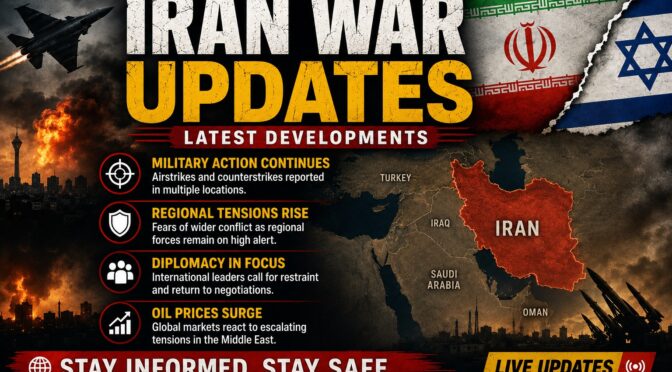
The situation involving Iran and the United States remains highly volatile, although there are signs that the intensity of the fighting has eased over the past 24 hours.
Key developments
- Pause in major fighting: Both Iran and the U.S. have paused their recent military campaigns after nearly two weeks of sustained strikes. While this has reduced the immediate risk of escalation, officials have not described it as a permanent ceasefire.
Shipping threats remain: Despite the pause in direct U.S.-Iran attacks, security concerns continue in and around the Strait of Hormuz and the Red Sea. Iran-backed Houthi forces have continued attacks affecting regional shipping, keeping global energy markets on edge.
Oil prices decline: Brent crude has fallen below $90 per barrel as traders reacted positively to the reduction in hostilities. Markets remain cautious because renewed fighting could quickly reverse the decline.
Diplomatic outlook: There is no confirmed comprehensive peace agreement. The current pause is viewed by analysts as fragile, and both sides retain significant military forces in the region.
Why it matters
- A sustained reduction in fighting could ease pressure on global energy prices and international shipping.
- Any renewed attacks in the Strait of Hormuz could quickly disrupt roughly one-fifth of the world’s oil shipments, with impacts on fuel prices worldwide.
- Governments across the Middle East remain on heightened alert as regional tensions persist