
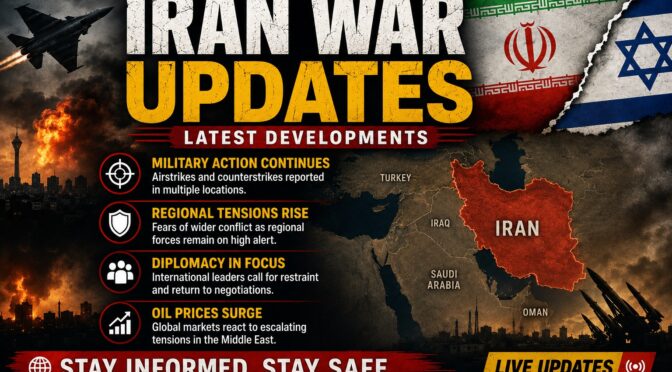
The current tension centers on the Persian Gulf and the Strait of Hormuz, one of the world’s most important oil shipping routes.
Key locations:
- Iran
- Oman
- United Arab Emirates
- Saudi Arabia
- The Strait of Hormuz carries roughly one-fifth of global oil shipments, making it a critical chokepoint for world energy markets.
How Oil Prices Are Being Affected
The situation has improved compared with the peak of the crisis:
- Brent crude briefly exceeded US$120 per barrel earlier in the conflict but has since retreated into the mid-to-upper US$70s as diplomatic talks progressed and shipping gradually resumed.
Markets are reacting positively to U.S.–Iran negotiations and the reopening of shipping channels, but traders remain concerned about lingering disruptions and shipping bottlenecks.
Analysts warn that oil prices could rise again quickly if negotiations fail or shipping disruptions worsen.
Canada-Focused Impact
Gasoline Prices
For Canadians, the biggest impact is at the pump.
- National gasoline prices surged during the height of the crisis and approached record levels in some regions.
Recent diplomatic progress has led analysts to expect prices to ease by roughly 10–15 cents per litre from recent highs, although a return to pre-war levels appears unlikely in the near term.
Experts continue to warn that prices could remain volatile while the Strait of Hormuz situation stabilizes.
Canadian Stock Market (TSX)
Canada’s market has experienced mixed effects:
Potential winners
- Energy producers benefit from higher oil prices.
- Canadian oil sands companies generally see stronger revenues when crude prices rise.
Potential losers
- Airlines, transportation firms, and fuel-intensive businesses face higher costs.
- Consumer spending can weaken when households spend more on gasoline and heating.
The broad TSX has recently responded positively to easing tensions and falling oil prices, reaching record territory after signs of diplomatic progress.
What It Means for Saint John, New Brunswick
For residents of Saint John:
- Local gasoline prices generally follow global crude trends with a short delay.
- If negotiations continue successfully, pump prices could gradually drift lower through late June and July.
- If tensions flare up again, Atlantic Canada could see another rapid increase in gasoline and diesel costs.
Outlook for the Next 30 Days
| Scenario | Oil | Canadian Gas Prices |
|---|---|---|
| Peace talks continue | Stable to slightly lower | Gradual decline |
| Talks stall | Moderate rise | Higher pump prices |
| Major shipping disruption returns | Sharp rise | Significant increase |
At the moment, markets appear to be betting on diplomacy rather than escalation, which is why oil prices have fallen substantially from their spring highs.