
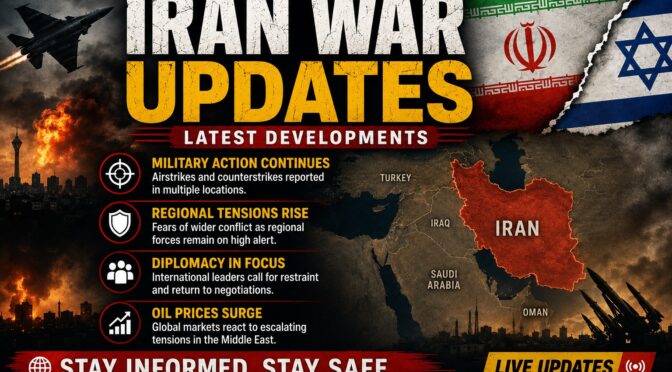
The conflict involving Iran, the United States, and Israel remains in a fragile diplomatic phase rather than a period of major new military escalation.

Reuters

Al Jazeera

Al Jazeera

The Guardian
Key developments today:
- The International Atomic Energy Agency (IAEA) says it is working on arrangements to resume nuclear inspections in Iran following a recent interim peace agreement between Iran and the United States. However, Iranian officials have indicated that access to some sensitive sites remains unresolved.
U.S. and Iranian negotiators have continued talks in Switzerland. Reports indicate progress on issues such as inspections, sanctions relief, and the release of frozen Iranian assets, though major disagreements remain.
The United States has temporarily eased some oil-related sanctions for 60 days as negotiations continue.
The Strait of Hormuz remains a major concern for global energy markets. International efforts are underway to restore normal shipping, and the UN has begun evacuating thousands of sailors stranded by the crisis.
In Washington, the U.S. Senate passed a war-powers resolution aimed at limiting continued military action against Iran without congressional approval, highlighting growing political debate over the conflict.
Iran has also reported cyberattacks affecting several major banks, temporarily disrupting ATM and card services.
What to Watch Next
- Whether IAEA inspectors gain access to Iranian nuclear facilities.
- Progress in the current U.S.–Iran negotiations.
- Developments in the Strait of Hormuz and global oil prices.
- Whether the temporary sanctions relief leads to a broader peace agreement.