
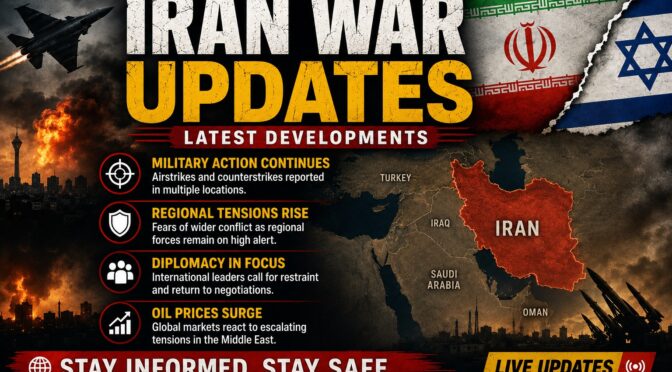
Here’s a clear, up-to-date snapshot of what’s happening right now in the Iran war:
Biggest developments today
- Tensions spiking in the Strait of Hormuz (a critical global oil route):
- Iran says it warned off or blocked U.S. warships from entering.
There are conflicting reports about a missile strike on a U.S. ship — Iran claims it happened, the U.S. denies it.
The U.S. has launched a major operation called “Project Freedom”:
- Goal: help hundreds of trapped commercial ships escape safely.
Iran says ships must coordinate with its military or risk retaliation.
Risk of escalation
- Both sides are warning of further military action:
- Iran threatens a strong response if foreign forces enter the area.
The U.S. is considering new strikes if talks fail.
The situation is fragile:
- A temporary ceasefire from April has basically broken down.
Fighting involving Iran, the U.S., Israel, and regional groups is still ongoing in places like Lebanon.
Peace talks (still uncertain)
- Iran has proposed a 14-point peace plan:
- Includes demands like lifting sanctions and removing U.S. forces.
It set a 30-day timeline for a deal.
The U.S. says it is reviewing the proposal, but hasn’t agreed.
Bottom line: Diplomacy is happening, but trust is low and fighting could resume quickly.
Global impact
- Oil prices are rising due to fears of supply disruption.
Around 20,000 sailors and hundreds of ships are stuck in the region.
The Strait of Hormuz carries about 20% of the world’s oil, so this affects the whole world.
Big picture
- The war began in late February 2026 after U.S.–Israel strikes on Iran.
Since then:
- Heavy military exchanges
- Leadership changes inside Iran
- Major civilian and infrastructure damage