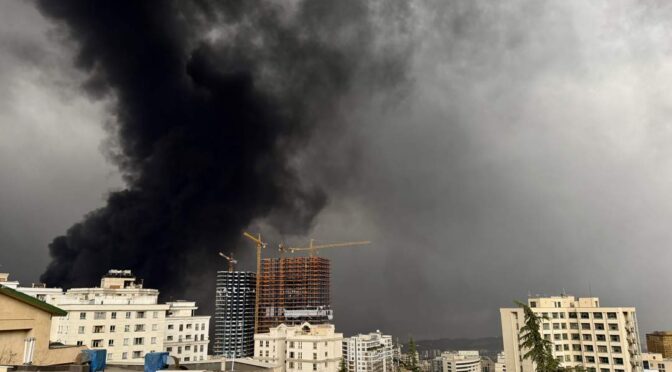
Whether the new MoU makes “us worse off” depends on what outcome you value most.
If your main concern is avoiding war and economic disruption
The agreement looks positive in the short term. It reopens the Strait of Hormuz, reduces the risk of further military escalation, lowers pressure on oil prices, and creates a 60-day negotiation period instead of continued fighting. Markets generally reacted favorably because the risk of a wider regional war declined.
If your main concern is containing Iran’s power
Many critics argue the deal may leave Iran in a stronger position than before the war. Their concerns include:
- Sanctions relief and access to frozen assets could provide Iran with significant financial resources.
The agreement reportedly does not directly address Iran’s ballistic missile program.
The agreement reportedly does not require major changes to Iran’s regional allies and proxy networks.
Some analysts believe Iran emerged from the conflict with greater diplomatic leverage than expected.
Why many experts are cautious
This MoU is not a final peace treaty. It is a framework that starts a 60-day negotiation process. Both sides can still walk away if they cannot agree on the details, especially regarding nuclear restrictions, sanctions relief, and verification measures.
For Canada
The immediate effects are mostly positive:
- Lower oil and gasoline prices.
- Reduced inflation pressure.
- Less risk to global trade and supply chains.
- Improved market sentiment.
The longer-term question is whether the final agreement successfully limits Iran’s nuclear ambitions while maintaining regional stability. If it does, the deal could be viewed as a success. If Iran receives economic benefits without meaningful constraints, critics’ concerns may prove justified. At this stage, it is probably most accurate to say that the MoU has reduced the immediate risks of war and economic shock, but there is still significant debate about whether it will improve or worsen long-term security.