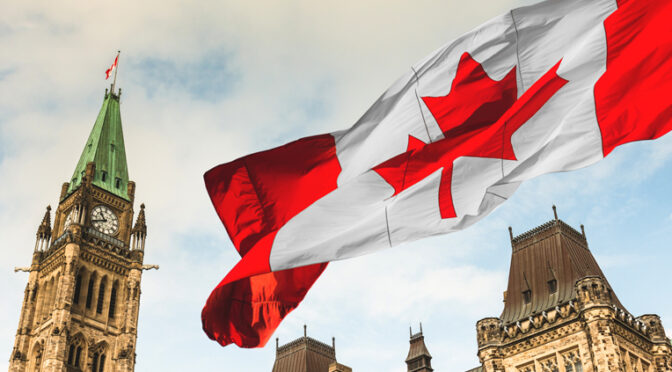
Canada’s Chances

Canada’s Chances at the 2026 World Cup

Canada is in a competitive but very open Group B. After the opening 1–1 draw with Bosnia & Herzegovina, Canada remains firmly in contention because every team in the group started with a draw and has 1 point.

Key Matches Remaining

  1. Canada vs. Qatar — A strong opportunity to earn three points.
  2. Canada vs. Switzerland — Likely the toughest group-stage match and could be decisive for qualification.

Players to Watch

Canada’s core includes several well-known internationals:

  • Alphonso Davies — Captain, dynamic left-sided defender/winger, one of Canada’s biggest stars.
  • Jonathan David — Prolific striker and key goal-scoring threat.
  • Stephen Eustáquio — Midfield playmaker and leader.
  • Tajon Buchanan — Fast, versatile attacker who can create chances from wide areas.

What Canada Needs

  • A win against Qatar would put Canada in a strong position.
  • Avoiding a loss against Switzerland would significantly improve qualification prospects.
  • Goal difference could become important if Group B remains tightly contested.

Outlook

Canada has enough talent to reach the knockout stage, particularly with players such as Davies and David capable of changing matches. The next game against Qatar is especially important because a victory would give Canada momentum heading into the final group match.
Market Update — June 18, 2026

Today’s Market Update — June 18, 2026

📈 U.S. Stocks

Markets are reacting to two major themes:

  1. Federal Reserve policy – The Fed left interest rates unchanged, but markets interpreted recent comments as relatively hawkish, meaning policymakers remain cautious about inflation.

U.S.–Iran agreement – A new agreement between the U.S. and Iran has improved geopolitical sentiment and helped push oil prices lower, which investors generally view as positive for economic growth.

Recent index levels:

  • S&P 500: around 7,511 recently after pulling back from record highs.
  • Nasdaq Composite: around 26,376, with technology shares under pressure.
  • Dow Jones Industrial Average: near record territory and showing relative strength versus tech stocks.

Market Themes

  • Financial and industrial stocks have been outperforming.
  • Semiconductor and technology shares have been weaker.
  • Falling oil prices are providing support to equities.

Crypto Market

Bitcoin

Bitcoin is trading near $64,000 USD, down roughly 2–3% over the last 24 hours depending on the data source.

Ethereum

Ethereum is trading near $1,730–1,750 USD, also under pressure today.

Crypto Drivers

  • Risk assets remain sensitive to interest-rate expectations.
  • A strengthening U.S. dollar is being watched closely by crypto traders.
  • Despite improved geopolitical news, major cryptocurrencies are trading lower today.

🛢️ Commodities

Oil

Oil prices have fallen toward roughly $78 per barrel, reaching multi-month lows after the U.S.–Iran agreement reduced concerns about supply disruptions.

Gold

Gold remains supported by uncertainty around inflation, central-bank policy, and global economic growth, though attention today is focused more on the Fed and oil markets.


Key Takeaways

  • Stocks are balancing a hawkish Fed against improving geopolitical conditions.
  • The Dow is outperforming technology-heavy indexes.
  • Bitcoin remains near $64k and is under short-term pressure.
  • Oil prices are falling sharply on reduced geopolitical risk.
  • Investors continue to focus on inflation and future interest-rate decisions.

This is general information only and not financial advice. For personal guidance, please talk to a licensed professional.

Whether the new MoU makes “us worse off

Whether the new MoU makes “us worse off” depends on what outcome you value most.

If your main concern is avoiding war and economic disruption

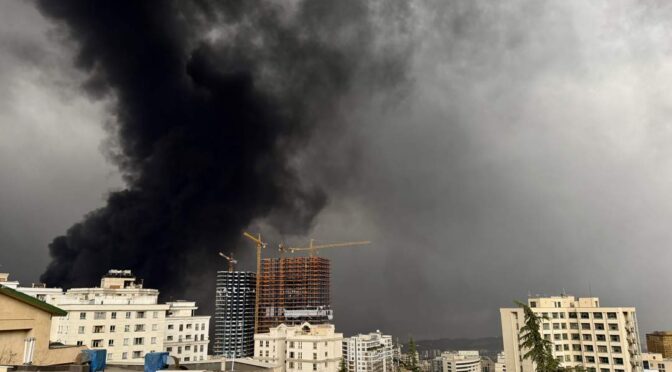
The agreement looks positive in the short term. It reopens the Strait of Hormuz, reduces the risk of further military escalation, lowers pressure on oil prices, and creates a 60-day negotiation period instead of continued fighting. Markets generally reacted favorably because the risk of a wider regional war declined.

If your main concern is containing Iran’s power

Many critics argue the deal may leave Iran in a stronger position than before the war. Their concerns include:

  • Sanctions relief and access to frozen assets could provide Iran with significant financial resources.

The agreement reportedly does not directly address Iran’s ballistic missile program.

The agreement reportedly does not require major changes to Iran’s regional allies and proxy networks.

Some analysts believe Iran emerged from the conflict with greater diplomatic leverage than expected.

Why many experts are cautious

This MoU is not a final peace treaty. It is a framework that starts a 60-day negotiation process. Both sides can still walk away if they cannot agree on the details, especially regarding nuclear restrictions, sanctions relief, and verification measures.

For Canada

The immediate effects are mostly positive:

  • Lower oil and gasoline prices.
  • Reduced inflation pressure.
  • Less risk to global trade and supply chains.
  • Improved market sentiment.

The longer-term question is whether the final agreement successfully limits Iran’s nuclear ambitions while maintaining regional stability. If it does, the deal could be viewed as a success. If Iran receives economic benefits without meaningful constraints, critics’ concerns may prove justified. At this stage, it is probably most accurate to say that the MoU has reduced the immediate risks of war and economic shock, but there is still significant debate about whether it will improve or worsen long-term security.

Good news for oil-importing countries like Canada

The U.S.–Iran ceasefire is generally being viewed as good news for oil-importing countries like Canada, at least in the short term.

Oil Prices: Likely Lower for Now

During the conflict, concerns about the closure of the Strait of Hormuz—a route that carries roughly 20% of global oil shipments—helped push oil prices sharply higher. Now that a deal has been reached and the strait is expected to reopen, oil prices have fallen back to their lowest levels since the war began. Brent crude has dropped to around the high-$70s per barrel range.

What this means:

  • Lower gasoline and diesel prices over the coming weeks.
  • Reduced transportation costs for businesses.
  • Lower energy bills for many consumers.
  • Less inflation pressure from fuel and shipping costs.

Impact on the TSX

The effect on the Canadian stock market is mixed.

Winners

  • Banks may benefit if lower inflation allows interest rates to fall sooner.
  • Retailers, airlines, transportation companies, and manufacturers generally benefit from lower fuel costs.
  • Consumer-focused companies could see stronger spending as households spend less on energy.

Potential Losers

  • Canadian oil producers such as Suncor Energy, Canadian Natural Resources, and Cenovus Energy may face pressure if crude prices continue falling.
  • Energy stocks have been one of the TSX’s strongest sectors in recent years, so lower oil prices could weigh on overall TSX performance.

For Canadian Investors

A lower oil price environment typically shifts leadership from energy stocks toward:

  • Financials
  • Industrials
  • Consumer discretionary stocks
  • Technology companies

Inflation Outlook

The Iran war created one of the largest energy supply disruptions in decades and pushed inflation expectations higher around the world. Economists estimated that sustained high oil prices could have added significantly to inflation during 2026.

Now, with oil moving lower:

Positive Effects

  • Fuel prices fall.
  • Shipping costs ease.
  • Food production costs may stabilize because fertilizer and transportation become cheaper.
  • Central banks may feel less pressure to keep interest rates elevated.

Why Inflation Won’t Disappear Overnight

Inflation often lags oil prices by weeks or months. Businesses may have locked in higher fuel costs earlier in the year, and some supply-chain disruptions take time to unwind. Analysts still expect some lingering inflation effects even after the ceasefire.

What Canadians Should Watch Next

  1. Whether the Strait of Hormuz fully reopens as planned.
  2. Oil prices staying below US$80 per barrel.
  3. Signals from the Bank of Canada regarding future interest-rate cuts.
  4. Performance of Canadian energy stocks versus banks and consumer stocks over the summer.
  5. Progress in the 60-day U.S.–Iran negotiations.

For investors in New Brunswick and across Canada, the ceasefire is generally a net positive for consumers and the broader economy, while the biggest downside is likely to be felt by oil-producing companies if crude prices continue to decline.