Here’s the current situation (as of May 2, 2026) explained clearly:
🧭 Overall status: “Ceasefire”… but not really over
- The U.S. government says active fighting with Iran has “ended” after a ceasefire that started April 7, 2026.
However, this is heavily disputed:
- U.S. troops and naval forces are still deployed.
- A blockade around Iran and the Strait of Hormuz is still ongoing.
Iran itself says it is still in a “war situation.”
👉 Bottom line: fighting paused, but the conflict is not truly resolved.
⚠️ High tensions right now
- The U.S. has rejected Iran’s latest peace proposal, so talks are stuck.
Iran has warned it could launch “long and painful” attacks if strikes resume.
There are reports the U.S. is considering new military options.
👉 This means the war could restart quickly.
🌍 Strait of Hormuz crisis (big global impact)
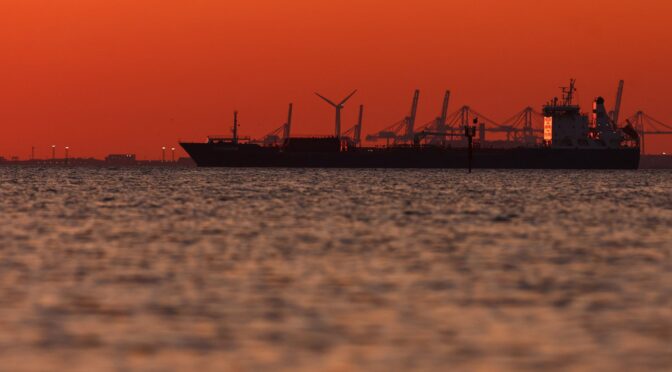
- The Strait of Hormuz (key oil shipping route) is still a major conflict point.
- Iran is trying to control or restrict it, while the U.S. is enforcing a blockade.
Result:
- Oil prices have surged globally.
- Shipping disruptions are affecting economies worldwide.
🪖 Regional situation
- Gulf countries are split:
- Some support more U.S./Israeli action.
- Others want de-escalation and peace talks.
- There are fears of new U.S. strikes and Iranian retaliation across the region.
🔄 Behind the scenes (military + strategy)
- Iran is reportedly rebuilding missiles and drones during the ceasefire.
The U.S. continues economic pressure and oil seizures.
👉 Both sides are preparing in case fighting resumes.
🧠 Simple takeaway
- No active large-scale fighting right now
- But:
- No real peace deal
- Military forces still in place
- High risk of war restarting
➡️ Think of it as a pause in a war, not the end of one.