Here’s a clear, up-to-date snapshot of what’s happening right now in the Iran war (April 28, 2026):
🧭 Big picture
- The war (involving the U.S., Israel, and Iran) has mostly shifted from active fighting to a tense standoff.
A temporary ceasefire started earlier in April, but it’s fragile and violated multiple times.
Right now, the situation is more like a “cold war” style conflict: pressure, threats, and negotiations—but no full resolution.
⚠️ Military situation
- Large-scale fighting has slowed, but sporadic strikes and clashes still happen, including around Lebanon and border areas.
Iran previously launched missiles and drones at U.S. bases and Israel, while the U.S. and Israel carried out airstrikes inside Iran.
The risk of sudden escalation is still high, especially if talks collapse.
🛢️ Strait of Hormuz crisis (very important)
- Iran restricted or threatened shipping in the Strait of Hormuz (a key oil route).
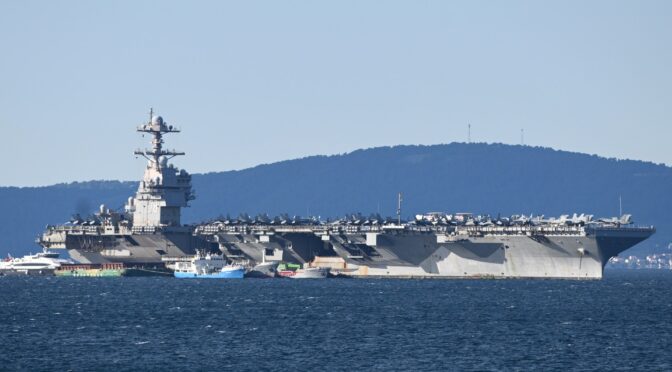
The U.S. responded with a naval blockade on Iran.
Iran has offered to reopen the strait, but only if the U.S. eases pressure.
👉 Why this matters: about 20% of the world’s oil passes through there, so disruption affects global prices.
🕊️ Diplomacy & negotiations
- Talks are ongoing but stalled—main disagreement:
- U.S.: wants Iran to limit or stop its nuclear program
- Iran: wants sanctions lifted and blockades removed
Iran is also seeking support from allies like Russia.
The UN warns the situation could trigger global economic and food problems if it drags on.
🌍 Global impact
- Oil prices are rising sharply due to uncertainty and supply disruption.
The conflict is affecting economies worldwide and increasing political tension.
Some analysts say it could turn into a long-term geopolitical standoff rather than a quick war.
🧩 Bottom line
- The war isn’t fully active right now—but it’s far from over
- Ceasefire + tension + failed talks = unstable situation
- Biggest risks ahead:
- Talks breaking down → fighting resumes
- Continued disruption of global oil supply
- Wider regional escalation