
Here’s the latest from the Toronto Blue Jays:

Here’s the latest from the Toronto Blue Jays:

🧢 Most recent game result

The Blue Jays won 5–2 against the Los Angeles Angels.

What happened:

  • Vladimir Guerrero Jr. led the way, going 3-for-4 with a home run and 2 RBIs.

Pitcher Dylan Cease struck out 12 batters in just five innings.

  • The bullpen shut things down late, and the Jays pulled away after a tied game midway through.

📊 Quick takeaway

This was a solid, all-around win:

  • Strong hitting from the top of the lineup
  • High strikeout pitching
  • Clean finish from the bullpen

It’s also their second straight win, which matters because they’ve been inconsistent early in the season.

Let’s keep this grounded first: exact probables can shift quickly in baseball, so think of this as the expected setup and what it means rather than something locked in stone.

🧢 Next game outlook

The Toronto Blue Jays are continuing their series against the Los Angeles Angels.

After a 5–2 win, Toronto has a chance to:

  • Win the series outright
  • Build their first real momentum stretch of the season

⚾ Expected pitching matchup (what to watch)

While official starters can change, here’s the typical matchup dynamic you’re likely to see:

Blue Jays side

  • Likely a mid-rotation starter or back-end arm
  • Key focus: limiting walks and keeping the ball in the park
  • Toronto’s starters have been decent, but not always efficient

Angels side

  • Often rely on contact-heavy pitching rather than overpowering arms
  • If Jays hitters stay patient, they should get scoring chances

👉 The real story isn’t just who starts, it’s:

  • Can the Jays get length from the starter (6+ innings)?
  • Can the bullpen avoid being overused again?

🔑 What decides this game

  • Top of the order production (especially power bats)
  • Early scoring — Toronto plays better when not chasing
  • Bullpen stability — late innings have been shaky this season

📊 How the win affects standings

In the American League East:

  • The Jays move to 10–13
  • Still near the bottom, but here’s the key:
    • One more win = closer to .500
    • A short win streak could jump them multiple spots

This division is tight early, so:

  • 2–3 wins in a row → you’re back in the mix
  • 2–3 losses → you fall behind fast

🧠 Big picture

This wasn’t just “one win.”

It:

  • Stops early-season slide
  • Builds confidence in the lineup
  • Sets up a chance to flip the narrative with a series win
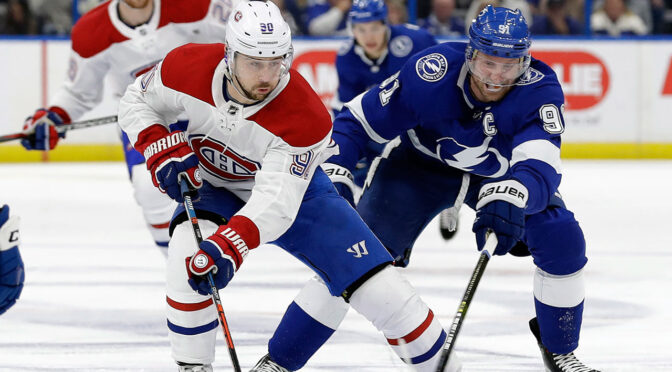
NHL referees yearly Question

Are NHL referees really in a position to decide the outcome of the games they work?

It’s a question that comes up every season, especially after a controversial call. Fans see a missed penalty, a soft call late in a tight game, or an inconsistency in how rules are applied, and it’s easy to jump to the conclusion that officials are influencing results. But that idea deserves a closer look.

First, referees in the National Hockey League operate under a system designed to limit exactly that kind of influence. There are multiple officials on the ice, video review for certain plays, and internal evaluation after every game. Their performance is graded, and assignments can be affected by how well they do their job. In other words, there are real checks in place.

That said, hockey is a fast, chaotic sport. Officials are making split-second decisions while tracking players, the puck, and positioning. Even with the best intentions, mistakes are inevitable. A missed high stick or an iffy interference call can absolutely swing momentum, and in a league where games are often decided by one goal, momentum matters.

There’s also the human element. Referees, like players, can be influenced by game flow, crowd noise, and even previous calls. The idea of “game management” gets brought up a lot, where officials try to keep things balanced rather than strictly calling every infraction. Whether that’s real or just perception, it fuels the belief that refs have more control than they should.

But influence is not the same as intent. There’s a big difference between officials making imperfect calls and deliberately deciding outcomes. There’s no credible evidence that NHL referees are fixing games or intentionally favoring teams. What we’re really seeing is the impact of human judgment in a high-speed environment.

So are referees in a position to decide games? Indirectly, yes. A call at the wrong moment can change everything. But that’s not the same as saying they control outcomes. At the end of the day, players still decide most games through execution, mistakes, and effort.

The frustration is understandable. Fans want consistency and fairness. But expecting perfection from officials in a sport like hockey might be unrealistic. The better question might be: how can the league keep improving transparency and consistency, so those borderline moments don’t feel like they’re deciding everything?

NHL Playoff Update (April 21, 2026)

🏒 NHL Playoff Update (April 21, 2026)

Last night brought some big-time playoff energy as Round 1 action continues:

🔥 Final Scores (April 20):

  • Philadelphia Flyers 3 – 0 Pittsburgh Penguins
    → Flyers take a commanding 2-0 series lead
  • Carolina Hurricanes 3 – 2 Ottawa Senators
    → Tight battle, Hurricanes edge Game 2
  • Dallas Stars 4 – 2 Minnesota Wild
    → Series now tied 1-1

Edmonton Oilers 4 – 3 Anaheim Ducks
→ Oilers take Game 1 in a late thriller


📅 Tonight’s Schedule (April 21):

  • Montreal Canadiens @ Tampa Bay Lightning (Game 2)
  • Boston Bruins @ Buffalo Sabres (Game 2)
  • Utah Mammoth @ Vegas Golden Knights (Game 2)
  • Los Angeles Kings @ Colorado Avalanche (Game 2)