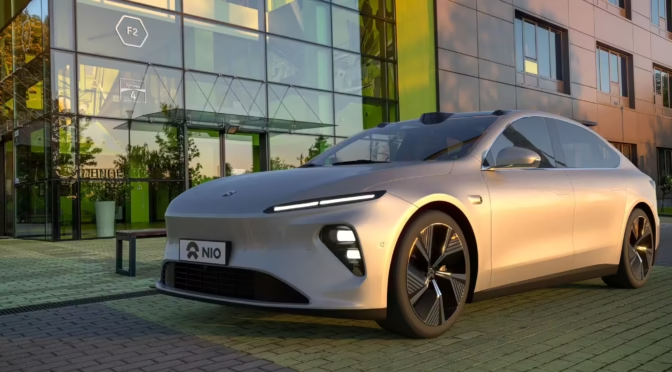
Pros and Cons of Chinese Electric Cars Coming to Canada
As Canada opens its market to electric vehicles (EVs) from China, the move is sparking debate. With new trade rules allowing thousands of Chinese EVs into the country at lower tariffs, Canadians could soon see more options on the road. But this shift comes with both benefits and concerns.
✅ Pros
1. Lower Prices for Consumers
Chinese EVs are known for being much cheaper than many North American models. This could make electric cars more accessible to everyday Canadians and help more people switch from gas vehicles.
2. Faster EV Adoption
More affordable options could increase demand and speed up Canada’s transition to cleaner transportation, helping meet climate goals.
3. More Competition = Better Innovation
New competitors in the market can push existing car companies to improve their technology, lower prices, and offer better features.
4. Potential Investment and Jobs
Allowing Chinese EVs into Canada could attract investment in battery production and manufacturing, creating jobs and boosting the economy.
❌ Cons
1. Risk to Canadian Auto Industry
Cheaper imports could hurt local car manufacturers, making it harder for Canadian and North American companies to compete and potentially affecting jobs.
2. Dependence on Foreign Technology
Relying on imported EVs could weaken Canada’s long-term independence in the auto sector and make it harder to build a strong domestic industry. 3. Security and Privacy Concerns
Some experts warn that connected vehicles could pose cybersecurity or data privacy risks, especially if regulations aren’t updated. 4. Charging Compatibility Issues
Chinese EVs often use different charging systems than those common in Canada, which could cause inconvenience or require infrastructure changes.
🧾 Conclusion
Chinese electric cars coming to Canada could make EVs cheaper and more common, which is great for consumers and the environment. However, there are real concerns about protecting local industries, ensuring security, and building the right infrastructure.
In the end, the impact will depend on how Canada balances affordability with long-term economic and technological independence.