examen del domingo

Lápiz y Papel Requeridos
Conocimientos Generales
¿Qué año fue incorporada oficialmente como ciudad Saint John?
a) 1604
b) 1785
c) 1855
d) 1900

Saint John está ubicada en cuál río principal?
a) Río Saint John
b) Río Miramichi
c) Río Restigouche
d) Río Kennebecasis

¿Cuál es el apodo de Saint John?
a) La Ciudad Lealista
b) La Ciudad del Puerto
c) La Ciudad Central
d) La Ciudad Marítima

Historia y Cultura
¿A qué grupo de colonos se le atribuye la fundación de Saint John?
a) Acadianos franceses
b) Highlanders escoceses
c) Lealistas del Imperio Unido
d) Inmigrantes irlandeses

Saint John fue la primera ciudad incorporada en Canadá. ¿Verdadero o Falso?
a) Verdadero
b) Falso

¿Cuál festival anual en Saint John celebra la herencia marítima de la región?
a) Días Lealistas
b) Festival Área 506
c) Artistas Callejeros en el Malecón
d) Harbourfest

Geografía y Monumentos
¿Qué fenómeno natural hace famosa a Saint John, donde las mareas de la Bahía de Fundy invierten el flujo del Río Saint John?
a) Las Cataratas Reversibles
b) Colina Magnética
c) Borbotón Tidal
d) Flujos de Fundy

¿Cuál es el nombre del famoso parque público en Saint John conocido por sus extensos senderos para caminar y hermosos jardines?
a) King Square
b) Parque Rockwood
c) Parque Natural Irving
d) Parque Centenario

¿Cuál es el nombre del mercado histórico en Saint John que ha estado en funcionamiento desde 1876?
a) Mercado de Queen Square
b) Mercado de la Ciudad
c) Mercado del Rey
d) Mercado Lealista

Economía e Industria
Saint John es hogar de la refinería de petróleo más grande de Canadá. ¿Cuál es su nombre?
a) Refinería Shell
b) Refinería de Imperial Oil
c) Refinería de Irving Oil
d) Refinería de Petro-Canada

El Puerto de Saint John es un importante centro para qué industria?
a) Pesca
b) Madera
c) Transporte y Comercio
d) Minería

Educación e Instituciones
¿Cuál universidad tiene un campus ubicado en Saint John?
a) Universidad de New Brunswick
b) Universidad Mount Allison
c) Universidad St. Thomas
d) Universidad Dalhousie

Datos Curiosos
¿Cuál es el nombre del puente que cruza las Cataratas Reversibles en Saint John?
a) Puente del Puerto de Saint John
b) Puente de las Cataratas Reversibles
c) Puente de la Bahía de Fundy
d) Puente Lealista

¿En qué año sufrió Saint John un devastador incendio que destruyó gran parte de la ciudad?
a) 1840
b) 1877
c) 1911
d) 1932

¿Cuál cerveza famosa, conocida en todo Canadá, se originó en Saint John?
a) Moosehead Lager
b) Alexander Keith’s
c) Labatt Blue
d) Sleeman’s

Respuestas:
b) 1785
a) Río Saint John
a) La Ciudad Lealista
c) Lealistas del Imperio Unido
a) Verdadero
b) Festival Área 506
a) Las Cataratas Reversibles
b) Parque Rockwood
b) Mercado de la Ciudad
c) Refinería de Irving Oil
c) Transporte y Comercio
a) Universidad de New Brunswick
b) Puente de las Cataratas Reversibles
b) 1877
a) Moosehead Lager

Este cuestionario cubre varios aspectos de Saint John, desde su historia y geografía hasta sus eventos culturales y economía.

Sunday Quiz

Saint John, New Brunswick Quiz

Pencil And Paper Required.

Click For Spanish

General Knowledge

  1. What year was Saint John officially incorporated as a city?
    • a) 1604
    • b) 1785
    • c) 1855
    • d) 1900
  2. Saint John is located on which major river?
    • a) Saint John River
    • b) Miramichi River
    • c) Restigouche River
    • d) Kennebecasis River
  3. What is Saint John’s nickname?
    • a) The Loyalist City
    • b) The Port City
    • c) The Hub City
    • d) The Maritime City

History & Culture

  1. Which group of settlers is credited with founding Saint John?
    • a) French Acadians
    • b) Scottish Highlanders
    • c) United Empire Loyalists
    • d) Irish Immigrants
  2. Saint John was the first incorporated city in Canada. True or False?
    • a) True
    • b) False
  3. Which annual festival in Saint John celebrates the region’s maritime heritage?
    • a) Loyalist Days
    • b) Area 506 Festival
    • c) Buskers on the Boardwalk
    • d) Harbourfest

Geography & Landmarks

  1. What natural phenomenon is Saint John famous for, where the Bay of Fundy’s tides reverse the flow of the Saint John River?
    • a) Reversing Falls
    • b) Magnetic Hill
    • c) Tidal Bore
    • d) Fundy Flows
  2. Which famous public park in Saint John is known for its extensive walking trails and beautiful gardens?
    • a) King Square
    • b) Rockwood Park
    • c) Irving Nature Park
    • d) Centennial Park
  3. What is the name of the historic market in Saint John that has been in operation since 1876?
    • a) Queen Square Market
    • b) City Market
    • c) King’s Market
    • d) Loyalist Market

Economy & Industry

  1. Saint John is home to the largest oil refinery in Canada. What is its name?
    • a) Shell Refinery
    • b) Imperial Oil Refinery
    • c) Irving Oil Refinery
    • d) Petro-Canada Refinery
  2. The Port of Saint John is a major hub for which industry?
    • a) Fishing
    • b) Timber
    • c) Shipping and Trade
    • d) Mining

Education & Institutions

  1. Which university has a campus located in Saint John?
    • a) University of New Brunswick
    • b) Mount Allison University
    • c) St. Thomas University
    • d) Dalhousie University

Random Facts

  1. What is the name of the bridge that spans the Reversing Falls in Saint John?
    • a) Saint John Harbour Bridge
    • b) Reversing Falls Bridge
    • c) Fundy Bay Bridge
    • d) Loyalist Bridge
  2. In what year did Saint John suffer a devastating fire that destroyed much of the city?
    • a) 1840
    • b) 1877
    • c) 1911
    • d) 1932
  3. Which famous beer, known across Canada, originated in Saint John?
    • a) Moosehead Lager
    • b) Alexander Keith’s
    • c) Labatt Blue
    • d) Sleeman’s

Answer Key:

  1. b) 1785
  2. a) Saint John River
  3. a) The Loyalist City
  4. c) United Empire Loyalists
  5. a) True
  6. b) Area 506 Festival
  7. a) Reversing Falls
  8. b) Rockwood Park
  9. b) City Market
  10. c) Irving Oil Refinery
  11. c) Shipping and Trade
  12. a) University of New Brunswick
  13. b) Reversing Falls Bridge
  14. b) 1877
  15. a) Moosehead Lager

This quiz covers various aspects of Saint John, from its history and geography to its cultural events and economy.


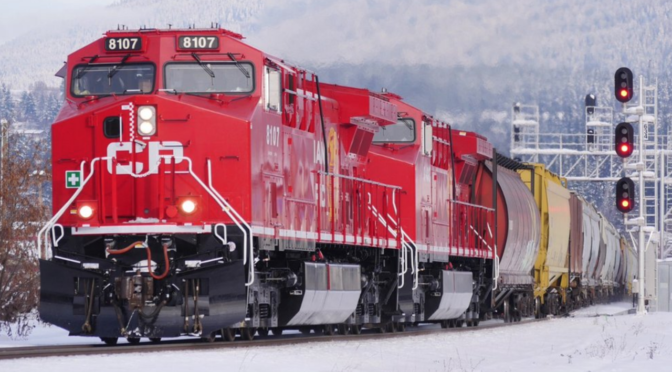
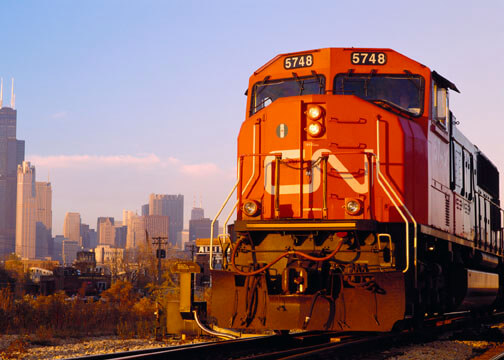
Should CN Rail and CPKC Rail Be Designated as Essential Services?


The rail industry plays a pivotal role in the Canadian economy, serving as the backbone for transporting goods across the country. As we look at two of the largest rail companies in Canada—CN Rail and CPKC Rail—a pressing question arises: Should these companies be designated as essential services?

The Role of CN Rail and CPKC Rail

CN Rail (Canadian National Railway) and CPKC Rail (Canadian Pacific Kansas City) are vital to the transportation infrastructure. They connect Canada’s vast geography, moving everything from raw materials like grain and lumber to finished products and energy resources. The reach of these rail networks is extensive, impacting not only Canadian markets but also international trade, given their links to ports and the U.S. rail system.

Why Consider Essential Service Designation?

  1. Economic Impact: The smooth operation of CN and CPKC Rail is critical to the Canadian economy. Disruptions—whether from strikes, natural disasters, or other causes—can lead to significant economic losses. Designating them as essential services could mitigate such risks, ensuring continuity even during challenging times.
  2. Supply Chain Stability: In today’s interconnected world, supply chain disruptions can have ripple effects across industries. The COVID-19 pandemic highlighted the vulnerability of global supply chains, and rail transport is a key component in maintaining stability. An essential service designation could protect this crucial link.
  3. Public Interest: Rail services are not just about moving goods; they also impact public services. For instance, the transportation of essential items like food, medical supplies, and energy products is reliant on an uninterrupted rail network. Ensuring these services remain operational, even during labor disputes, could be seen as serving the public good.

Potential Drawbacks

However, designating CN and CPKC Rail as essential services is not without its challenges. Labor unions might argue that such a designation could undermine workers’ rights to strike and negotiate better working conditions. There’s also the concern of setting a precedent that might lead to other industries being similarly designated, potentially eroding labor rights more broadly.

Conclusion

The debate over whether CN Rail and CPKC Rail should be designated as essential services touches on crucial aspects of economic stability, public interest, and labor rights. While the benefits of such a designation could be substantial in terms of ensuring uninterrupted service and economic resilience, it’s important to weigh these against the potential impacts on workers’ rights. A balanced approach, perhaps one that includes strong safeguards for labor negotiations, might offer a way forward that protects both the economy and the rights of workers.

What do you think? Should CN Rail and CPKC Rail be deemed essential services, or would this be a step too far? Let’s discuss.


Government Intervenes in CN and CPKC Rail Strike, Orders Workers Back to Work

In a significant move, the Canadian government has stepped in to end the ongoing strike at CN Rail and CPKC Rail, two of the nation’s largest railway companies. The strike, which began last week, had already started to cause disruptions across the country, threatening supply chains, economic stability, and the livelihoods of thousands of workers.

The labor dispute, centered around wage increases, safety measures, and working conditions, escalated quickly as negotiations between the unions and the rail companies reached a standstill. As the strike dragged on, the impact on essential goods movement, including food, fuel, and industrial supplies, became a growing concern for businesses and consumers alike.

Recognizing the potential for significant economic damage, the federal government exercised its authority to legislate the striking workers back to work. The move, though controversial, is seen by many as necessary to protect Canada’s fragile economic recovery.

“The health of our economy and the well-being of Canadians depend on a functioning and reliable transportation system,” said the Minister of Labor in a press conference. “We cannot afford the kind of disruptions that this strike has already caused and could further exacerbate.”

Critics of the government’s intervention argue that forcing workers back to their jobs without fully addressing their concerns undermines their right to strike and negotiate fair terms. Union leaders have expressed their disappointment with the government’s decision, stating that it sets a dangerous precedent for labor relations in Canada.

On the other hand, industry leaders and many in the business community have welcomed the government’s decisive action. The strike had already begun to cause delays and shortages, with potential ripple effects across multiple sectors, including manufacturing, agriculture, and retail.

As the workers return to their positions under the new legislation, the long-term resolution of the dispute remains uncertain. The government has urged both sides to continue negotiations in good faith to reach a fair and sustainable agreement.

This situation highlights the delicate balance between workers’ rights and the broader economic interests of the nation. As CN Rail and CPKC Rail resume operations, all eyes will be on the ongoing negotiations, hoping for a resolution that satisfies both the workers’ demands and the country’s economic needs.

The CN Rail and CPKC Rail strike had an immediate and significant impact on supply chains across Canada, demonstrating just how vital these rail networks are to the country’s economy.

1. Disruption of Goods Transportation: Railways are a backbone of the Canadian supply chain, responsible for transporting a vast range of goods, including agricultural products, raw materials, chemicals, fuel, and consumer goods. The strike caused delays in the movement of these essential items, leading to bottlenecks at ports, manufacturing plants, and distribution centers.

2. Agricultural Sector Hit Hard: Farmers and agricultural producers were among the hardest hit by the strike. With the harvest season in full swing, the rail disruption delayed the transport of grain, fertilizer, and other agricultural products. This not only affected domestic supply but also raised concerns among international buyers about Canada’s reliability as a supplier, potentially harming future export opportunities.

3. Industrial Supply Chain Delays: Industries that rely on just-in-time delivery systems, such as automotive manufacturing and construction, faced significant challenges due to the strike. Delays in receiving raw materials and components could lead to production slowdowns or even temporary shutdowns, impacting jobs and revenues.

4. Retail and Consumer Goods: Retailers were also feeling the pressure, particularly as they prepare for the busy holiday season. Any prolonged disruption could have led to shortages of certain goods on store shelves, affecting consumers directly. The fear of empty shelves during key shopping periods added urgency to the government’s decision to intervene.

5. Fuel and Energy Sector: The rail strike affected the transportation of fuel, including crude oil and refined products. This could have led to localized shortages and higher prices at the pump if the strike had continued, with ripple effects throughout the economy, including higher transportation costs for goods.

6. Economic Ripple Effects: The strike threatened to exacerbate inflationary pressures by causing delays and increasing costs in the supply chain. Higher transportation costs would likely have been passed on to consumers, contributing to rising prices across a range of goods and services.

Government Intervention and Recovery: The government’s decision to order workers back to work was largely driven by these mounting supply chain disruptions. While the intervention has allowed the rail networks to resume operations, the strike’s impact will still be felt in the coming weeks as backlogs are cleared and supply chains return to normal.

However, the swift resumption of rail services is expected to mitigate the worst potential effects, preventing the widespread economic damage that a prolonged strike could have caused. Businesses, especially those in critical sectors, will be closely monitoring the situation to ensure that normal operations are fully restored as quickly as possible.