

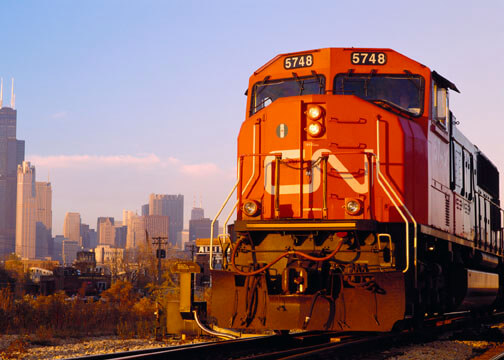
In a significant move, the Canadian government has stepped in to end the ongoing strike at CN Rail and CPKC Rail, two of the nation’s largest railway companies. The strike, which began last week, had already started to cause disruptions across the country, threatening supply chains, economic stability, and the livelihoods of thousands of workers.
The labor dispute, centered around wage increases, safety measures, and working conditions, escalated quickly as negotiations between the unions and the rail companies reached a standstill. As the strike dragged on, the impact on essential goods movement, including food, fuel, and industrial supplies, became a growing concern for businesses and consumers alike.
Recognizing the potential for significant economic damage, the federal government exercised its authority to legislate the striking workers back to work. The move, though controversial, is seen by many as necessary to protect Canada’s fragile economic recovery.
“The health of our economy and the well-being of Canadians depend on a functioning and reliable transportation system,” said the Minister of Labor in a press conference. “We cannot afford the kind of disruptions that this strike has already caused and could further exacerbate.”
Critics of the government’s intervention argue that forcing workers back to their jobs without fully addressing their concerns undermines their right to strike and negotiate fair terms. Union leaders have expressed their disappointment with the government’s decision, stating that it sets a dangerous precedent for labor relations in Canada.
On the other hand, industry leaders and many in the business community have welcomed the government’s decisive action. The strike had already begun to cause delays and shortages, with potential ripple effects across multiple sectors, including manufacturing, agriculture, and retail.
As the workers return to their positions under the new legislation, the long-term resolution of the dispute remains uncertain. The government has urged both sides to continue negotiations in good faith to reach a fair and sustainable agreement.
This situation highlights the delicate balance between workers’ rights and the broader economic interests of the nation. As CN Rail and CPKC Rail resume operations, all eyes will be on the ongoing negotiations, hoping for a resolution that satisfies both the workers’ demands and the country’s economic needs.
The CN Rail and CPKC Rail strike had an immediate and significant impact on supply chains across Canada, demonstrating just how vital these rail networks are to the country’s economy.
1. Disruption of Goods Transportation: Railways are a backbone of the Canadian supply chain, responsible for transporting a vast range of goods, including agricultural products, raw materials, chemicals, fuel, and consumer goods. The strike caused delays in the movement of these essential items, leading to bottlenecks at ports, manufacturing plants, and distribution centers.
2. Agricultural Sector Hit Hard: Farmers and agricultural producers were among the hardest hit by the strike. With the harvest season in full swing, the rail disruption delayed the transport of grain, fertilizer, and other agricultural products. This not only affected domestic supply but also raised concerns among international buyers about Canada’s reliability as a supplier, potentially harming future export opportunities.
3. Industrial Supply Chain Delays: Industries that rely on just-in-time delivery systems, such as automotive manufacturing and construction, faced significant challenges due to the strike. Delays in receiving raw materials and components could lead to production slowdowns or even temporary shutdowns, impacting jobs and revenues.
4. Retail and Consumer Goods: Retailers were also feeling the pressure, particularly as they prepare for the busy holiday season. Any prolonged disruption could have led to shortages of certain goods on store shelves, affecting consumers directly. The fear of empty shelves during key shopping periods added urgency to the government’s decision to intervene.
5. Fuel and Energy Sector: The rail strike affected the transportation of fuel, including crude oil and refined products. This could have led to localized shortages and higher prices at the pump if the strike had continued, with ripple effects throughout the economy, including higher transportation costs for goods.
6. Economic Ripple Effects: The strike threatened to exacerbate inflationary pressures by causing delays and increasing costs in the supply chain. Higher transportation costs would likely have been passed on to consumers, contributing to rising prices across a range of goods and services.
Government Intervention and Recovery: The government’s decision to order workers back to work was largely driven by these mounting supply chain disruptions. While the intervention has allowed the rail networks to resume operations, the strike’s impact will still be felt in the coming weeks as backlogs are cleared and supply chains return to normal.
However, the swift resumption of rail services is expected to mitigate the worst potential effects, preventing the widespread economic damage that a prolonged strike could have caused. Businesses, especially those in critical sectors, will be closely monitoring the situation to ensure that normal operations are fully restored as quickly as possible.