Tag Archives: War

Update on the Iran

Here’s a quick update on the Iran situation as of May 16, 2026:

  • Tensions between Iran, the United States, and Israel remain high after the major conflict that began earlier this year. Diplomatic talks are continuing, but progress has slowed.

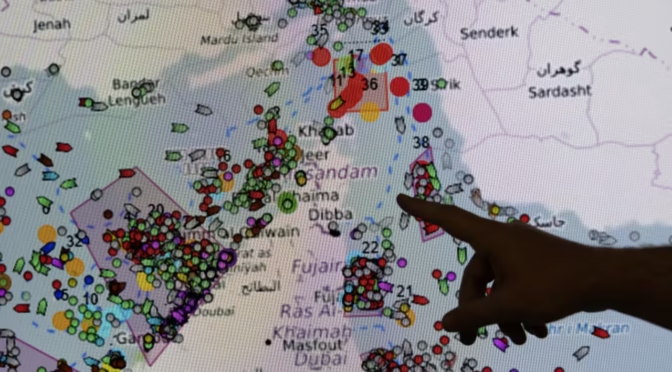
A major issue is the Strait of Hormuz. Iran has continued restrictions on shipping through the strait, which is affecting global oil markets and fuel prices worldwide.

Iranian officials are warning they could increase uranium enrichment if new attacks occur, raising international concern over Iran’s nuclear program.

The U.S. and Iran are still involved in indirect negotiations, reportedly with regional mediation, but both sides accuse each other of not being serious about peace efforts.

Fighting connected to the wider conflict has also affected Lebanon and Israel. A 45-day ceasefire extension between Israel and Lebanon was announced today to prevent further escalation.

Oil prices and shipping costs remain unstable because of uncertainty in the Gulf region.

Recent coverage:

Trump's geopolitical brinkmanship has hit a wall with Iran

Reuters

Today
Trump says Xi agrees Iran must open strait, but no sign China will weigh in

Reuters

Today
Araghchi: Iran doubts US ‘seriousness’ about talks amid nuclear deadlock

Al Jazeera

Yesterday

The latest on the 2026 Iran conflict

Here’s the latest on the 2026 Iran conflict as of May 15:

Iran war day 77: Trump, Xi discuss Hormuz as Tehran rallies BRICS

Al Jazeera

Today
Iran has 'no trust' in the US, will negotiate only if it is serious, Araqchi says

Reuters

Today
Israel pushing for return to Iran war, weighing options with US: Report


ABC News

Today
 
  • Fighting between Iran, Israel, and allied forces has eased compared with March and April, but the region remains tense. A fragile ceasefire is still under pressure.

Iran’s foreign minister said today that Tehran has “no trust” in the United States and warned that Iran could return to fighting if negotiations fail.

The Strait of Hormuz remains one of the biggest global concerns. Iran has restricted some shipping access, affecting oil markets and fuel prices worldwide. Leaders including Donald Trump and Xi Jinping reportedly discussed keeping the route open.

Israel is reportedly considering renewed military operations against Iran with support discussions involving the United States.

Lebanon and Israel have started new talks in Washington aimed at reducing cross-border fighting connected to the wider regional conflict.

Military analysts say Iran’s missile forces were heavily damaged earlier in the war, but some reports indicate Iran has rebuilt parts of its ballistic missile capability faster than expected.

Background:
The current war began in late February 2026 after U.S. and Israeli strikes on Iranian targets following the collapse of negotiations. Iran responded with missile and drone attacks across the region, and the conflict disrupted oil shipping, regional trade, and air travel.

snapshot of the Iran war


🔴 Current Situation

  • The war—mainly involving Iran, the U.S., and Israel—has been ongoing since late February 2026.

Fighting is still happening, even though leaders are talking about ceasefires and deals.

  • The conflict is largely centered around the Strait of Hormuz, a critical global oil shipping route.

 Military & Conflict Updates

  • Missile and drone attacks continue across the region, including strikes reported on the UAE.

The U.S. has carried out strikes and enforced a naval blockade, targeting ships and Iranian positions.

Iran still has a large portion of its missile and drone capability intact, meaning it can keep fighting for months.

Naval clashes and “defensive strikes” are still happening despite talk of a ceasefire.


 Peace Talks (Important Development)

  • New today: Iran has officially responded to a U.S. peace proposal.
  • Talks are aiming for a temporary agreement to:
    • Stop fighting
    • Reopen shipping routes
  • Longer-term issues (like Iran’s nuclear program) are still unresolved.

Global Impact

  • The war is disrupting global oil supply, since the Strait of Hormuz is partially blocked.
  • Oil prices and shipping costs have surged worldwide.
  • Gulf countries’ economies are being hit hard, especially those dependent on oil exports.

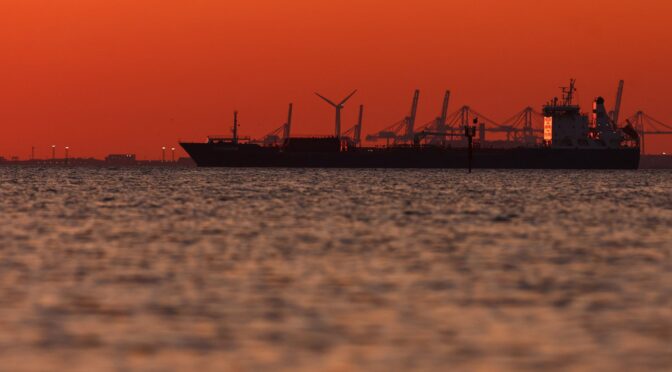
Hundreds of ships and thousands of crew have been stuck in the region.


 International Involvement

  • Countries like the UK and France are sending naval forces to protect shipping routes.
  • Other nations are trying to mediate peace, including Pakistan.

 Big Picture

  • The war is currently at a stalemate—neither side has clearly won.

There’s a real chance of a temporary ceasefire, but:

  • Fighting hasn’t stopped
  • Tensions remain extremely high

Up-to-date snapshot – Iran War

Here’s a clear, up-to-date snapshot of what’s happening right now in the Iran war:


Biggest developments today

  • Tensions spiking in the Strait of Hormuz (a critical global oil route):
    • Iran says it warned off or blocked U.S. warships from entering.

There are conflicting reports about a missile strike on a U.S. ship — Iran claims it happened, the U.S. denies it.

The U.S. has launched a major operation called “Project Freedom”:

  • Goal: help hundreds of trapped commercial ships escape safely.

Iran says ships must coordinate with its military or risk retaliation.


 Risk of escalation

  • Both sides are warning of further military action:
    • Iran threatens a strong response if foreign forces enter the area.

The U.S. is considering new strikes if talks fail.

The situation is fragile:

  • A temporary ceasefire from April has basically broken down.

Fighting involving Iran, the U.S., Israel, and regional groups is still ongoing in places like Lebanon.


 Peace talks (still uncertain)

  • Iran has proposed a 14-point peace plan:
    • Includes demands like lifting sanctions and removing U.S. forces.

It set a 30-day timeline for a deal.

The U.S. says it is reviewing the proposal, but hasn’t agreed.

 Bottom line: Diplomacy is happening, but trust is low and fighting could resume quickly.


 Global impact

  • Oil prices are rising due to fears of supply disruption.

Around 20,000 sailors and hundreds of ships are stuck in the region.

The Strait of Hormuz carries about 20% of the world’s oil, so this affects the whole world.


Big picture

  • The war began in late February 2026 after U.S.–Israel strikes on Iran.

Since then:

  • Heavy military exchanges
  • Leadership changes inside Iran
  • Major civilian and infrastructure damage