Tag Archives: War

Current situation (as of May 2, 2026)

Here’s the current situation (as of May 2, 2026) explained clearly:


🧭 Overall status: “Ceasefire”… but not really over

  • The U.S. government says active fighting with Iran has “ended” after a ceasefire that started April 7, 2026.

However, this is heavily disputed:

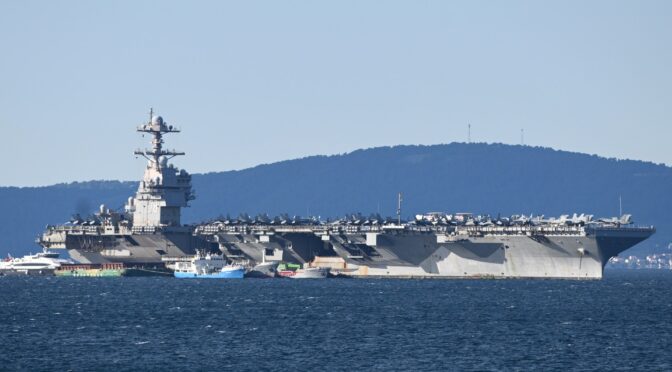
  • U.S. troops and naval forces are still deployed.
  • A blockade around Iran and the Strait of Hormuz is still ongoing.

Iran itself says it is still in a “war situation.”

👉 Bottom line: fighting paused, but the conflict is not truly resolved.


⚠️ High tensions right now

  • The U.S. has rejected Iran’s latest peace proposal, so talks are stuck.

Iran has warned it could launch “long and painful” attacks if strikes resume.

There are reports the U.S. is considering new military options.

👉 This means the war could restart quickly.


🌍 Strait of Hormuz crisis (big global impact)

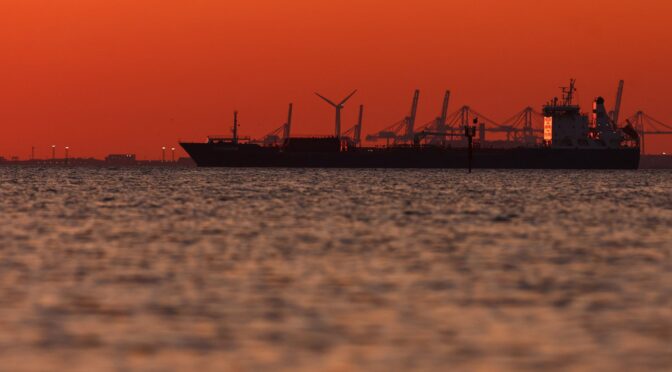
  • The Strait of Hormuz (key oil shipping route) is still a major conflict point.
  • Iran is trying to control or restrict it, while the U.S. is enforcing a blockade.

Result:

  • Oil prices have surged globally.
  • Shipping disruptions are affecting economies worldwide.

🪖 Regional situation

  • Gulf countries are split:
    • Some support more U.S./Israeli action.
    • Others want de-escalation and peace talks.
  • There are fears of new U.S. strikes and Iranian retaliation across the region.

🔄 Behind the scenes (military + strategy)

  • Iran is reportedly rebuilding missiles and drones during the ceasefire.

The U.S. continues economic pressure and oil seizures.

👉 Both sides are preparing in case fighting resumes.


🧠 Simple takeaway

  • No active large-scale fighting right now
  • But:
    • No real peace deal
    • Military forces still in place
    • High risk of war restarting

➡️ Think of it as a pause in a war, not the end of one.

2026 Iran war:


🧭 Current situation (as of now)

  • The war involving **Iran, the **United States, and **Israel is still ongoing, but active large-scale fighting has slowed under a fragile ceasefire.
  • Despite that, tensions remain very high, and both sides are still taking strategic actions (blockades, threats, military positioning).

⚠️ Major flashpoint: Strait of Hormuz

  • Iran continues to restrict or control access to the Strait of Hormuz, a critical global oil route.

The U.S. has responded with a naval blockade and tanker seizures, escalating the standoff.

This has caused:

  • Oil prices to spike to ~$120+ per barrel
  • Global supply disruptions
  • Warnings of a possible global recession if it continues

💣 Military & political developments

  • Iran’s leadership has refused U.S. demands and says it will keep its nuclear and missile programs.

The U.S. government claims at times that “hostilities have ended”, but this is disputed politically and legally.

In the U.S., Congress is divided over whether the war should continue.


🕊️ Diplomacy (possible off-ramp)

  • Iran has reportedly proposed a deal to:
    • Reopen the Strait of Hormuz
    • De-escalate the war
  • Talks are ongoing, but no agreement yet.

🌍 Global impact

  • Energy crisis: Fuel shortages and high prices worldwide
  • Economic effects: Slower growth, rising inflation, disrupted travel and trade

Long-term shift: Countries accelerating renewable energy to avoid reliance on unstable oil supplies


📊 Big picture

  • The war is increasingly looking like a “standoff” or slow conflict rather than full-scale fighting.

The biggest risks right now are:

  • Escalation if the ceasefire breaks
  • Economic fallout worldwide
  • No clear long-term resolution yet

Iran war (April 28, 2026):

Here’s a clear, up-to-date snapshot of what’s happening right now in the Iran war (April 28, 2026):


🧭 Big picture

  • The war (involving the U.S., Israel, and Iran) has mostly shifted from active fighting to a tense standoff.

A temporary ceasefire started earlier in April, but it’s fragile and violated multiple times.

Right now, the situation is more like a “cold war” style conflict: pressure, threats, and negotiations—but no full resolution.


⚠️ Military situation

  • Large-scale fighting has slowed, but sporadic strikes and clashes still happen, including around Lebanon and border areas.

Iran previously launched missiles and drones at U.S. bases and Israel, while the U.S. and Israel carried out airstrikes inside Iran.

The risk of sudden escalation is still high, especially if talks collapse.


🛢️ Strait of Hormuz crisis (very important)

  • Iran restricted or threatened shipping in the Strait of Hormuz (a key oil route).

The U.S. responded with a naval blockade on Iran.

Iran has offered to reopen the strait, but only if the U.S. eases pressure.

👉 Why this matters: about 20% of the world’s oil passes through there, so disruption affects global prices.


🕊️ Diplomacy & negotiations

  • Talks are ongoing but stalled—main disagreement:
    • U.S.: wants Iran to limit or stop its nuclear program
    • Iran: wants sanctions lifted and blockades removed

Iran is also seeking support from allies like Russia.

The UN warns the situation could trigger global economic and food problems if it drags on.


🌍 Global impact

  • Oil prices are rising sharply due to uncertainty and supply disruption.

The conflict is affecting economies worldwide and increasing political tension.

Some analysts say it could turn into a long-term geopolitical standoff rather than a quick war.


🧩 Bottom line

  • The war isn’t fully active right now—but it’s far from over
  • Ceasefire + tension + failed talks = unstable situation
  • Biggest risks ahead:
    • Talks breaking down → fighting resumes
    • Continued disruption of global oil supply
    • Wider regional escalation

Iran war (as of April 24, 2026):


🔥 Current situation on the ground

  • A fragile ceasefire is still in place, but it has been repeatedly violated and extended multiple times.

Fighting hasn’t fully stopped — Israel continues strikes in Lebanon against Hezbollah targets, and tensions remain high across the region.

Iran has attacked ships and threatened traffic in the Strait of Hormuz, a critical global oil route.


🚢 Strait of Hormuz crisis (major global impact)

  • The U.S. has imposed a naval blockade on Iran (since April 13) after failed peace talks.

Iran had earlier closed or disrupted the Strait of Hormuz, affecting ~20% of global oil supply.

The U.S. has warned it may destroy Iranian vessels laying mines in the strait.

👉 This is one of the biggest reasons the conflict is affecting the entire world economy.


🕊️ Diplomacy & negotiations

  • Iran says it is open to talks but accuses the U.S. of breaking commitments and applying pressure.

Iran’s foreign minister is traveling to countries like Pakistan and Oman to restart negotiations.

  • The U.S. has set tight deadlines for Iran to present a deal, with political pressure building in Washington.

🌍 Economic & global effects

  • Oil prices have surged, with major supply disruptions and reduced Gulf production.

The war is causing:

  • Rising inflation globally
  • Supply chain delays
  • Higher fuel and food costs

Airlines are cutting flights due to fuel shortages, and aid groups warn they may help fewer people worldwide.


⚠️ Big picture

  • This war involves Iran vs. the U.S. and Israel, but it’s spreading regionally (Lebanon, Gulf countries, shipping routes).
  • It’s currently in a tense “not fully war, not fully peace” phase:
    • Ceasefire exists
    • But fighting, threats, and military buildup continue

🧭 What to watch next

  • Whether the ceasefire collapses or turns into a real peace deal
  • Escalation in the Strait of Hormuz (could affect oil worldwide)
  • U.S. decisions after upcoming legal/political deadlines for the war