Category Archives: Weather

Facing Climate Change Denial: A Global Call to Action

In the face of undeniable evidence and urgent warnings from scientists worldwide, the reality of climate change remains a hotly debated topic. While a majority of nations are taking steps to mitigate the impacts of climate change, some of the largest countries, including India, Pakistan, China, and others, have been reluctant to fully acknowledge or address this pressing issue.

India, home to over a billion people and a rapidly growing economy, has often been criticized for prioritizing economic development over environmental concerns. Despite ambitious renewable energy goals and some efforts to combat pollution, India’s stance on climate change has been inconsistent, with leaders occasionally downplaying its severity.
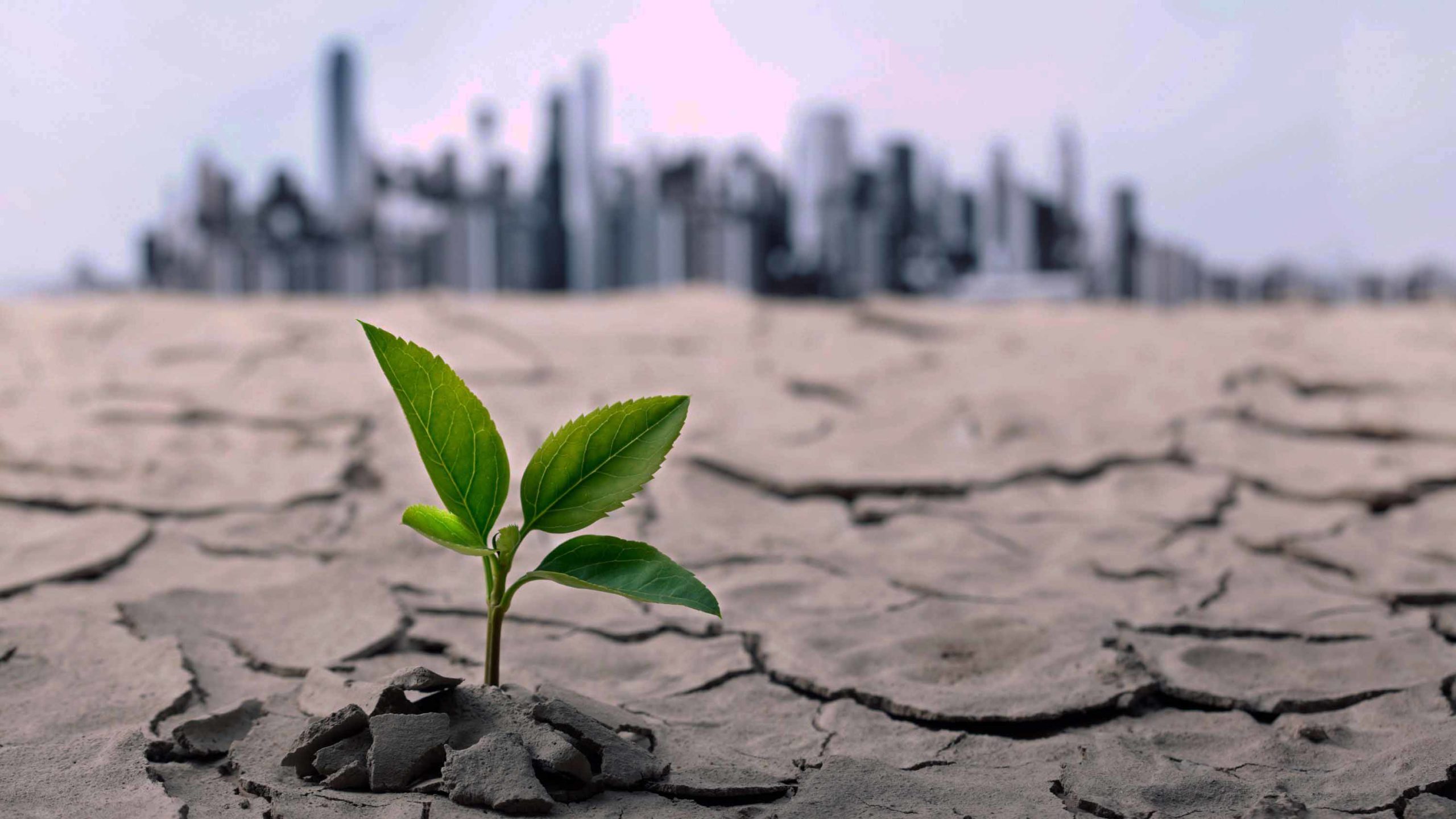
How Could Climate Change Affect the Global Economy? | Sphera

Similarly, Pakistan, grappling with economic challenges and political instability, has struggled to prioritize climate change amidst more immediate concerns. Despite being one of the most vulnerable countries to climate impacts, including floods, droughts, and heatwaves, the government’s response has been inadequate, often overshadowed by other pressing issues.

China, the world’s largest emitter of greenhouse gases, has made significant strides in renewable energy deployment but continues to rely heavily on coal and other fossil fuels for energy production. Despite commitments to reduce emissions, China’s sheer size and rapid industrialization pose immense challenges in achieving meaningful progress towards combating climate change.

Mongolia, a country rich in natural resources, faces unique challenges due to its fragile ecosystems and dependence on industries like mining and agriculture. While acknowledging the importance of environmental conservation, Mongolia struggles to balance economic development with sustainability, often leading to environmental degradation and increased vulnerability to climate change.
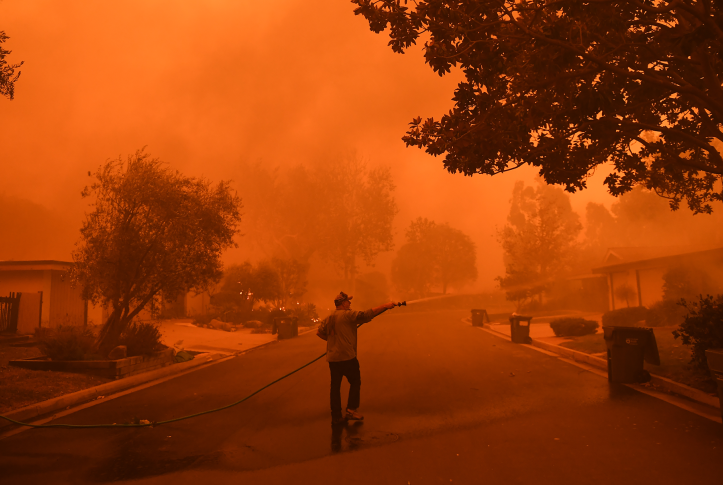
Climate Change & Health Care Services | Commonwealth Fund

These countries’ reluctance to fully address climate change is not unique. Many civilizations worldwide, both developed and developing, grapple with similar challenges, whether due to economic constraints, political instability, or simply a lack of awareness and understanding of the issue’s urgency.

However, the consequences of inaction are dire and affect us all. Climate change exacerbates natural disasters, threatens food and water security, displaces communities, and undermines global stability. The longer we delay decisive action, the costlier and more irreversible the impacts will become.
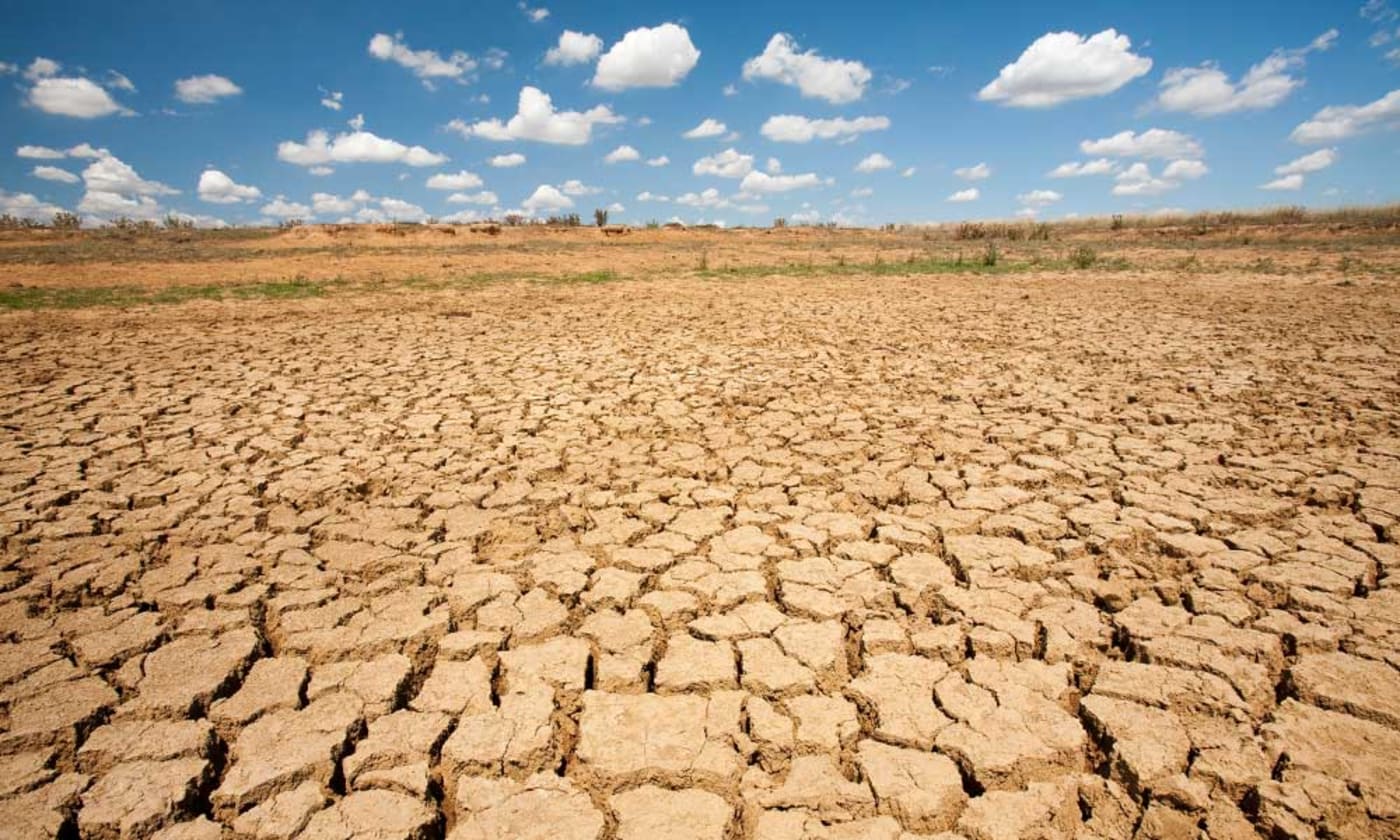
Impacts of global warming | WWF Australia

Therefore, it is imperative that we move beyond political divides and national interests to confront climate change collectively. This requires not only bold policy decisions and international cooperation but also a shift in societal attitudes and behaviors towards sustainability and environmental stewardship.

As individuals, we can contribute by advocating for climate action, adopting sustainable practices in our daily lives, and holding our leaders accountable for their commitments. Together, we can overcome climate change denial and build a more resilient and sustainable future for generations to come.
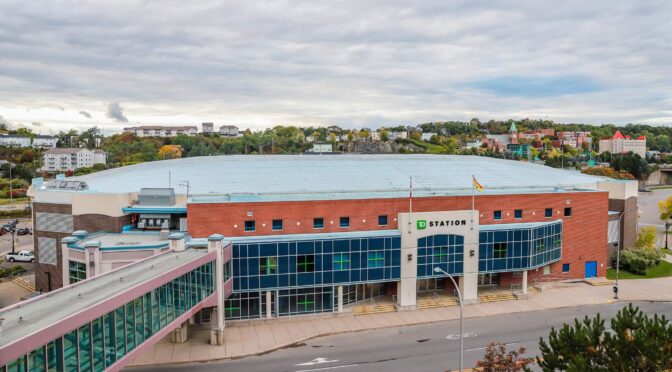
 

🌨️❄️ Winter Update from Saint John, NB: ❄️🌨️

Greetings, Saint John residents and winter enthusiasts! As we find ourselves halfway through the winter season of 2023-2024, there’s one thing that has taken everyone by surprise – the noticeable lack of snow in our beautiful city.

Contrary to our expectations, Saint John has experienced very little snowfall this winter, turning our cityscape into a picturesque scene of tranquility. With average temperatures prevailing, locals have been treated to a milder winter than usual, making outdoor activities more enjoyable and accessible.

While the absence of substantial snow may be a bit unusual for our region, the winter of 2023-2024 has been characterized by a series of small snowfall days scattered throughout. These brief and intermittent snow showers have brought a touch of winter magic without causing major disruptions to our daily lives.

Residents have taken advantage of the mild conditions to explore outdoor activities such as winter hikes, walks along the waterfront, and even some late-season cycling. The lack of heavy snow has also meant smoother commuting for many, as roads have generally been clear and well-maintained. 

      As we continue to navigate the remainder of the winter, it’s essential to stay prepared for any surprises that Mother Nature might have in store for us. While the snow may have been sparing so far, Saint John is known for its unpredictable weather, and the next flurry could be just around the corner.

   In the meantime, let’s appreciate the beauty of our city blanketed in a light dusting of snow, and take advantage of the opportunity to enjoy winter in a different light. Whether you’re a fan of winter sports or simply relishing the chance to experience a milder season, Saint John’s winter of 2023-2024 is certainly one for the books!

Stay warm, stay safe, and enjoy the unique charm that this atypical winter has brought to our beloved Saint John!

As another year unfolds

On This Day – December 31

    • 2009 Both a Blue Moon and lunar eclipse occured on the same day

      The next such event to happen on New Year’s eve will be in 2028.

    • 1907 The first annual ball drop at Times Square

      The annual tradition of dropping a ball at 11:59 pm to mark the start of the New Year was organized for the first time by Adolph Ochs, the owner of the the New York Times.

    As another year unfolds, we find ourselves standing at a pivotal juncture in history. The passage of time has brought with it a mix of triumphs, setbacks, and pressing challenges that demand our attention. Amid the continuing specter of wars and conflicts worldwide, the looming shadow of climate change casts a foreboding presence over our collective future.

    In  this ever-changing landscape, conflicts persist in various regions, causing untold suffering and displacement for millions. From longstanding geopolitical tensions to newer, more complex threats, the world remains entrenched in strife. The toll of these conflicts, both human and societal, underscores the urgent need for diplomacy, cooperation, and a commitment to peace on a global scale. As we step into another year, the imperative to seek peaceful resolutions and foster understanding among nations becomes ever more critical.

    Simultaneously, the relentless march of climate change continues to reshape our planet. Its effects are felt far and wide, from extreme weather events to rising sea levels, impacting ecosystems, livelihoods, and communities worldwide. The urgency to address this existential threat cannot be overstated. The need for decisive action, innovative solutions, and a collective dedication to sustainability has never been more pronounced. Each passing year reinforces the imperative for nations, industries, and individuals alike to unite in a concerted effort to mitigate the impacts of climate change and safeguard the planet for future generations.

    Despite the formidable challenges we face, there is reason for hope. Every year brings forth new opportunities for positive change, innovation, and solidarity. It’s a chance for us to reevaluate our priorities, redouble our efforts, and chart a course towards a more peaceful and sustainable future. The resilience and determination of individuals and communities worldwide serve as a testament to our capacity for progress and adaptation in the face of adversity.

    As we embark on this new chapter, let us collectively commit to building a world where conflicts are resolved through dialogue, where sustainability is a guiding principle, and where the well-being of both people and the planet takes precedence. Let the lessons of the past year guide us toward a future characterized by empathy, cooperation, and a shared responsibility to shape a better world for all.

Unusually Mild Winter Weather

Adjusting to Unusually Mild Winter Weather:

A Change of Seasons

    As temperatures continue to veer off their usual course, the absence of snow and the uncharacteristic mildness are becoming more than just noticeable. The changing climate is painting a different picture of what we’ve grown accustomed to. In places where winter typically heralds snow-capped landscapes, the sight of bare ground is disorienting.

The challenge lies not just in adapting to the lack of snow but in adjusting to these milder temperatures that seem almost out of place. The rhythm of life, usually set to the tune of winter activities and frosty landscapes, now finds itself in an unfamiliar melody.

Climate change, the catalyst behind these shifts, casts a long shadow. It’s not merely about a singular season without its expected snowfall, but a larger, ongoing transformation in weather patterns. This alteration disrupts ecosystems, impacts agriculture, and poses challenges for industries reliant on seasonal norms.

  Adapting to such changes isn’t an easy feat. It requires recalibrating our expectations, altering habits, and rethinking the approaches we take toward our environment. Amidst this shift, awareness and actions geared towards mitigating climate change become increasingly crucial. While adjusting to the absence of snow and milder temperatures may be difficult, addressing the root cause – climate change – holds the key to preserving the balance of our planet’s delicate ecosystems for generations to come.


El Nino could mean milder winter for Canada | CBC News