Category Archives: Weather

World Ocean Day

Celebrating the Lifeblood of Our Planet

Every year on June 8th, people around the globe come together to celebrate World Ocean Day, a special day dedicated to honoring, protecting, and conserving our world’s oceans. This day serves as a reminder of the critical role oceans play in our lives and the collective responsibility we share to ensure their health and sustainability for future generations.

The Importance of Our Oceans

Oceans cover more than 70% of our planet’s surface and are vital to our existence in numerous ways:

  • Climate Regulation: Oceans absorb about 30% of the carbon dioxide produced by humans, buffering the impacts of global warming. They also play a key role in regulating the Earth’s climate and weather patterns.
  • Biodiversity: Oceans are home to an incredible variety of life, from the tiniest plankton to the largest whales. Coral reefs, known as the “rainforests of the sea,” support a vast array of marine species.
  • Economic Resources: Oceans provide us with essential resources, including seafood, energy, and minerals. Coastal and marine tourism also contribute significantly to the global economy.
  • Oxygen Production: Phytoplankton in the ocean produce at least 50% of the planet’s oxygen, making them crucial for life on Earth.

The 2024 Theme: “Planet Ocean: Tides are Changing”

This year, the theme “Planet Ocean: Tides are Changing” focuses on the transformative changes needed to restore and protect our oceans. It emphasizes the importance of innovative solutions and collective action to address the challenges facing our marine environments.

How You Can Get Involved

  • Educate Yourself and Others: Learn more about the ocean and its ecosystems. Share this knowledge with friends, family, and your community.
  • Participate in Local Events: Join beach clean-ups, educational workshops, or community discussions. Many organizations host events to raise awareness and promote ocean conservation.
  • Support Sustainable Practices: Reduce plastic use, support sustainable seafood choices, and advocate for policies that protect marine life and habitats.
  • Volunteer or Donate: Support organizations dedicated to ocean conservation through volunteering your time or making donations.

Taking Action for a Sustainable Future

World Ocean Day is not just about celebrating the beauty and diversity of our oceans but also about taking concrete steps to protect them. By coming together to raise awareness, advocate for change, and implement sustainable practices, we can help ensure that our oceans remain vibrant and healthy for generations to come.

Let’s celebrate World Ocean Day by committing to actions that contribute to the health of our oceans and the well-being of our planet. The tides are indeed changing, and with our collective efforts, we can steer them towards a brighter, more sustainable future.
 

Unraveling Nature’s Complex Dance

 Exploring the Relationship Between Climate Change and La Niña: Unraveling Nature’s Complex Dance

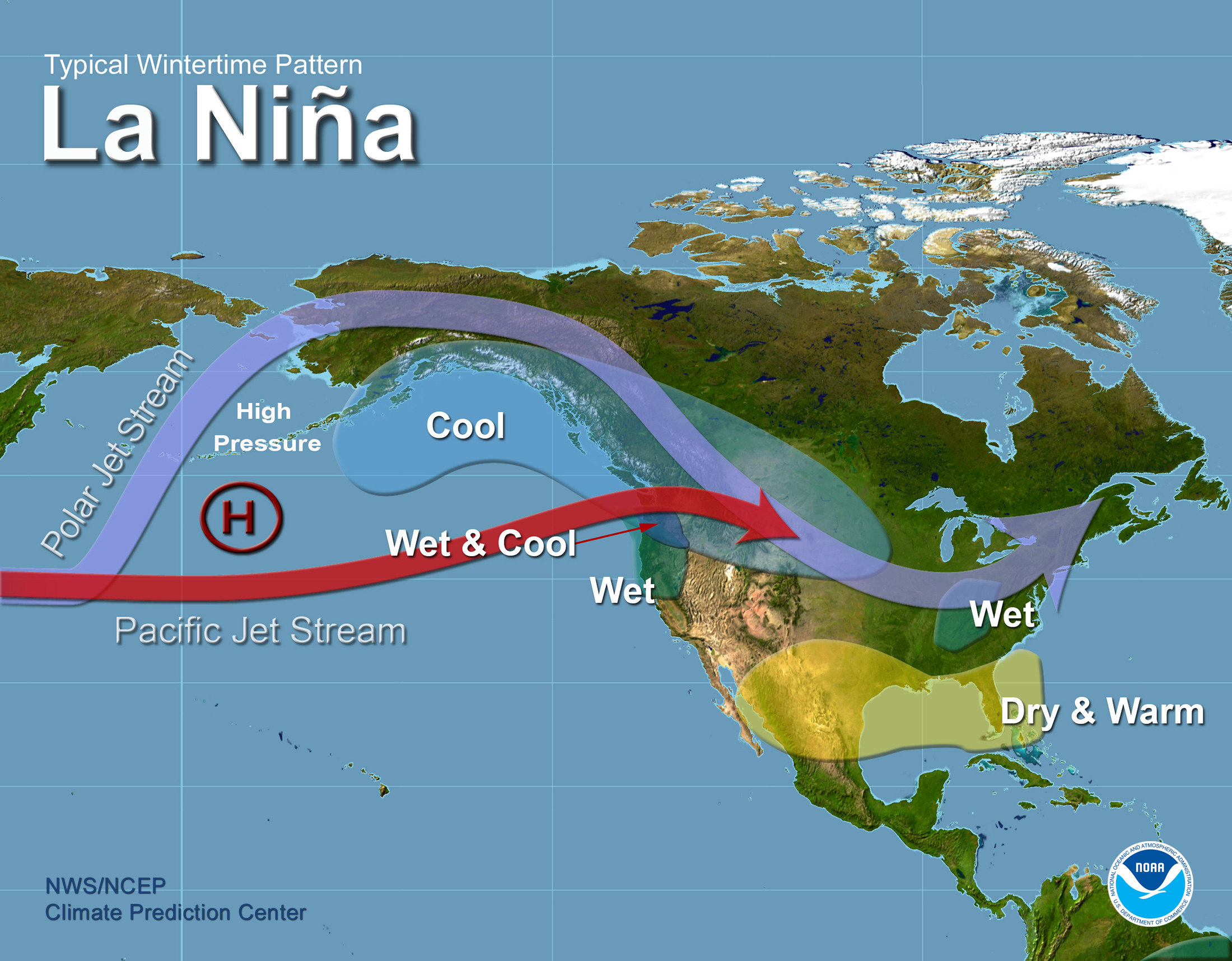
Climate change and its intricate dance with natural climate phenomena like La Niña have become increasingly evident in our world. La Niña, characterized by cooler-than-average sea surface temperatures in the central and eastern Pacific Ocean, influences weather patterns across the globe. Its effects are far-reaching, from altering rainfall patterns to influencing hurricane activity. But what role does climate change play in shaping the behavior of La Niña, and vice versa?

Firstly, it’s crucial to understand that La Niña and climate change are not one and the same; they are distinct phenomena. La Niña is a natural climate cycle that occurs every few years, whereas climate change refers to long-term shifts in global climate patterns primarily caused by human activities, such as burning fossil fuels and deforestation.

La Niña FAQs | El Nino Theme Page - A comprehensive Resource

However, the relationship between the two is complex and intertwined. Climate change can influence the frequency and intensity of La Niña events, and conversely, La Niña can exacerbate the impacts of climate change.

One of the ways climate change affects La Niña is through ocean temperatures. Warmer oceans due to climate change can alter the conditions that give rise to La Niña, potentially making its occurrence more frequent or intense. Conversely, La Niña can influence atmospheric circulation patterns, which in turn can affect global climate systems and exacerbate certain aspects of climate change, such as droughts or heavy rainfall events.

For instance, during a La Niña event, regions like the western Pacific and Southeast Asia often experience increased rainfall, leading to flooding and agricultural disruptions. In contrast, other areas, such as the southwestern United States and parts of South America, may face drier conditions, exacerbating droughts and water scarcity issues.

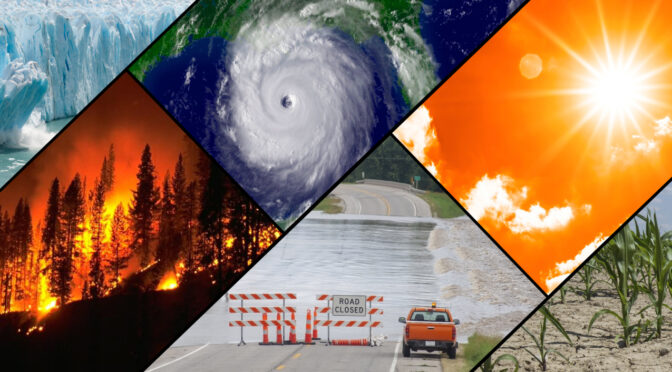
The impacts of climate change and La Niña are not limited to weather patterns alone. They also affect ecosystems, agriculture, economies, and human livelihoods. For example, changes in precipitation patterns can disrupt agricultural cycles, leading to crop failures and food shortages. Similarly, extreme weather events associated with La Niña, such as hurricanes and floods, can cause widespread damage to infrastructure and communities.

Understanding the complex interplay between climate change and natural climate phenomena like La Niña is essential for effective climate adaptation and mitigation strategies. By comprehensively studying these relationships, scientists can better predict future climate trends and develop strategies to minimize the adverse impacts on societies and ecosystems.

In conclusion, climate change and La Niña are interconnected in a complex web of interactions. While they are distinct phenomena, their impacts overlap and amplify each other, posing significant challenges for societies worldwide. Addressing these challenges requires collaborative efforts at local, national, and international levels to reduce greenhouse gas emissions, enhance resilience to extreme weather events, and protect vulnerable communities and ecosystems. Only through concerted action can we navigate the turbulent waters of climate change and La Niña to build a more sustainable and resilient future for generations to come.