Category Archives: Politics

Canadian Federal Elections Quiz


1. What is the maximum length of time between federal elections in Canada?

  • a) 3 years
  • b) 4 years
  • c) 5 years
  • d) 6 years

2. What type of electoral system does Canada use for federal elections?

  • a) Proportional representation
  • b) Ranked-choice voting
  • c) First-past-the-post
  • d) Mixed-member proportional

3. Who is eligible to vote in Canadian federal elections?

  • a) Any resident of Canada
  • b) Canadian citizens 16 years of age and older
  • c) Canadian citizens 18 years of age and older
  • d) Permanent residents of Canada

4. Which institution is responsible for overseeing federal elections in Canada?

  • a) The Canadian Electoral Commission
  • b) Elections Canada
  • c) Parliament of Canada
  • d) The Governor General

5. Which of the following political parties has never formed a government at the federal level?

  • a) Liberal Party
  • b) Conservative Party
  • c) New Democratic Party (NDP)
  • d) Bloc Québécois

6. In what year did women gain the right to vote in federal elections across Canada (excluding Indigenous women)?

  • a) 1916
  • b) 1918
  • c) 1920
  • d) 1940

7. What is the role of the Governor General in Canadian federal elections?

  • a) Organizes and oversees elections
  • b) Declares the results of elections
  • c) Dissolves Parliament and calls an election
  • d) Counts and certifies votes

8. Which Prime Minister won the most federal elections in Canadian history?

  • a) John A. Macdonald
  • b) Pierre Trudeau
  • c) William Lyon Mackenzie King
  • d) Stephen Harper

9. In a minority government, which of the following must happen for the government to continue?

  • a) The Prime Minister must win an election every year
  • b) The Prime Minister’s party must have over 50% of the seats in the House of Commons
  • c) The government must maintain the confidence of the House of Commons
  • d) The government must win a referendum

10. How many seats are there in the House of Commons as of the 2021 federal election?

  • a) 300
  • b) 338
  • c) 400
  • d) 435

11. What is a “writ of election” in Canadian federal elections?

  • a) A document that declares the winner of an election
  • b) A legal order to hold an election
  • c) A form voters sign before casting their ballot
  • d) A certificate given to newly elected Members of Parliament

12. How long is the official campaign period for Canadian federal elections?

  • a) 30 days
  • b) 50 days
  • c) 78 days
  • d) It varies, but is usually between 36 and 50 days

13. Which Prime Minister famously said, “Just watch me,” in response to a question about how far he would go during the October Crisis?

  • a) John Diefenbaker
  • b) Pierre Trudeau
  • c) Jean Chrétien
  • d) Brian Mulroney

14. What happens if two parties have the same number of seats after a federal election?

  • a) The Governor General decides who becomes Prime Minister
  • b) A second election is held
  • c) The party with the most votes overall wins
  • d) The Speaker of the House breaks the tie

15. Which Canadian federal election saw the highest voter turnout in history?

  • a) 1958
  • b) 1963
  • c) 1984
  • d) 1972

Answer Key:

  1. c) 5 years
  2. c) First-past-the-post
  3. c) Canadian citizens 18 years of age and older
  4. b) Elections Canada
  5. d) Bloc Québécois
  6. b) 1918
  7. c) Dissolves Parliament and calls an election
  8. c) William Lyon Mackenzie King
  9. c) The government must maintain the confidence of the House of Commons
  10. b) 338
  11. b) A legal order to hold an election
  12. d) It varies, but is usually between 36 and 50 days
  13. b) Pierre Trudeau
  14. a) The Governor General decides who becomes Prime Minister
  15. a) 1958

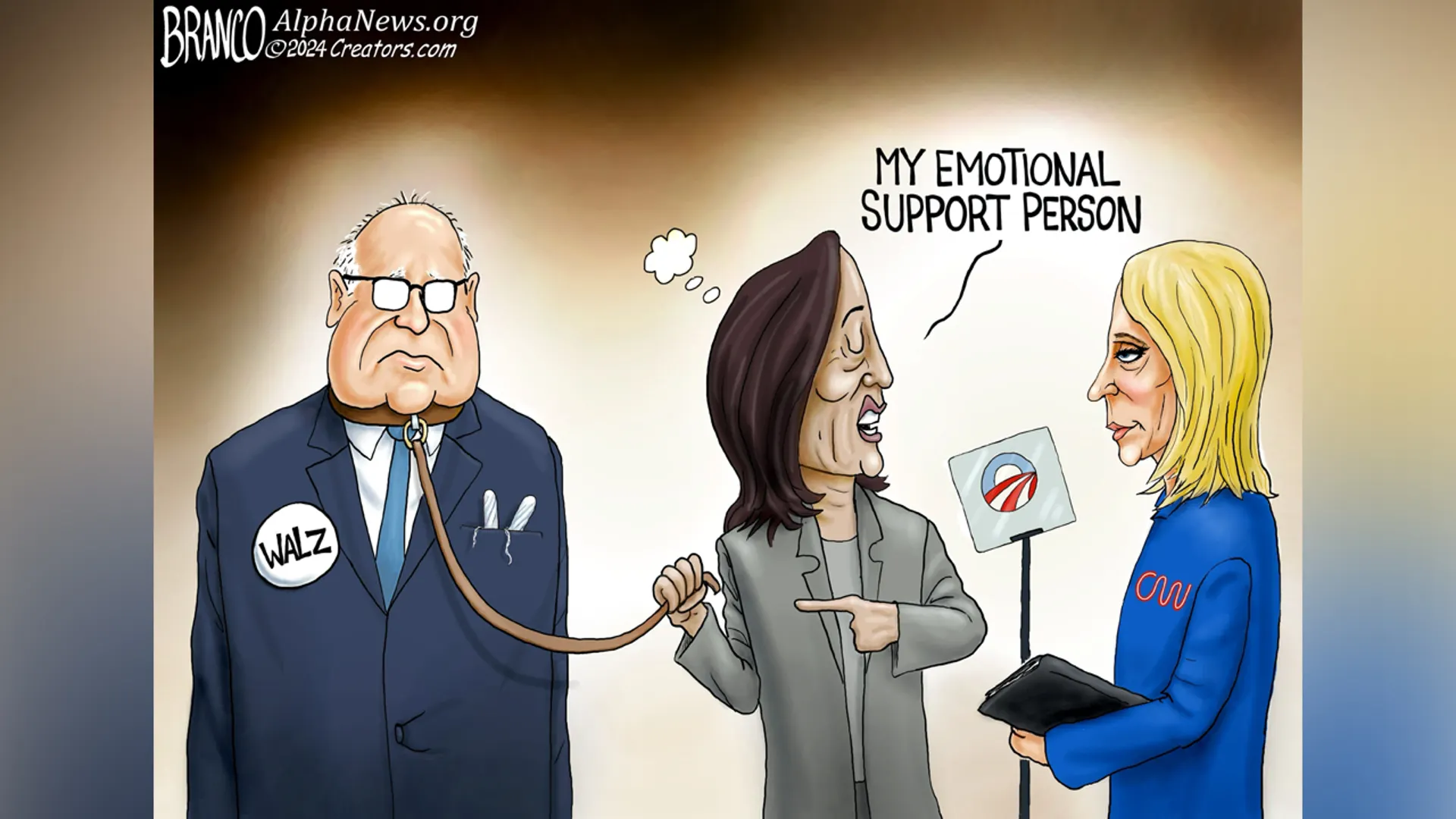
CNN’s Role in the Decline of Journalism

This is a request to re-post the following  post of July 9 2024

The Disturbing Trend of Modern Media: CNN’s Role in the Decline of Journalism

In the landscape of modern media, CNN stands as a prominent example of the troubling issues plaguing news organizations today. From allegations of lies and political bias to the impact of corporate influence and sensationalism, the network exemplifies the erosion of journalistic standards that threatens to undermine public trust in the media.

Lies and Misinformation

One of the most glaring issues with CNN is the persistent accusations of spreading lies and misinformation. In the fast-paced news cycle, the pressure to break stories quickly often leads to errors and unchecked facts. These mistakes, whether intentional or not, contribute to a growing public distrust. High-profile incidents, where CNN has had to retract or correct stories, only amplify concerns about the reliability of their reporting.

Political Bias and Agenda

CNN’s perceived political bias further exacerbates its credibility issues. Critics argue that the network often pushes a specific political agenda, favoring one side of the political spectrum over the other. This bias is not just a matter of opinion; studies have shown that the network’s coverage can be skewed, leading to an unbalanced portrayal of events and issues. Such partisanship erodes the fundamental journalistic principle of objectivity, leaving viewers questioning the authenticity of the information presented.

Corporate Influence

The influence of corporate interests on CNN’s content cannot be overlooked. As a major media corporation, CNN is beholden to its advertisers and parent company, leading to potential conflicts of interest. Corporate influence can subtly shape the news agenda, prioritizing stories that align with business interests while sidelining those that do not. This undermines the independence that is crucial for credible journalism.

Sensationalism

Sensationalism is another significant issue that plagues CNN’s reporting. The network often prioritizes dramatic, eye-catching stories over substantive reporting. This focus on sensationalism not only distorts the reality of the news but also contributes to a culture of fear and outrage. The emphasis on sensational stories can overshadow more critical, yet less flashy, news, leaving the public less informed about important issues.

Erosion of Journalistic Standards

All these factors contribute to the broader erosion of journalistic standards at CNN. The rush to publish, the influence of political and corporate agendas, and the lure of sensationalism have collectively diminished the network’s commitment to accuracy, fairness, and depth in reporting. The decline in these standards is not just a problem for CNN but a reflection of broader issues within the media industry as a whole.

In conclusion, CNN’s current trajectory raises serious concerns about the state of journalism today. The network’s struggles with misinformation, political bias, corporate influence, and sensationalism highlight a broader crisis in the media industry. As consumers of news, it is essential to remain vigilant, critically evaluate sources, and demand higher standards from our news organizations to ensure a well-informed public.

The Silent Spotlight: Kamala Harris at the DNC

NYT Warns Democrats: ‘Joy’ Will Not Win Election for Kamala Harris

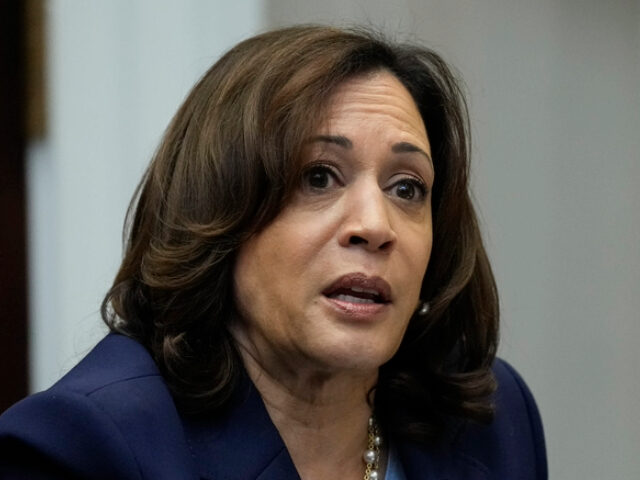
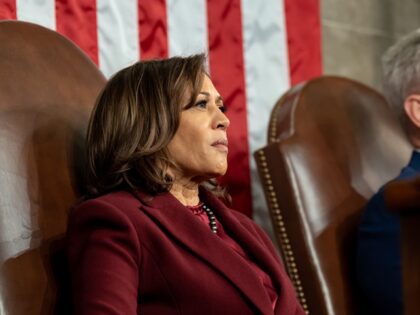
As we approach the final stretch of the election season, all eyes were on Vice President Kamala Harris during the recent Democratic National Convention (DNC). The event, known for its high-energy speeches and pivotal moments, showcased the party’s united front and its vision for the future. Yet, one notable aspect of Harris’s presence was her silence outside of the planned appearances, with over 50 days passing since her last major press interview.

Maher: By Avoiding Them, Harris Treats Press Worse than Trump

In her DNC address, Harris exuded confidence and passion, rallying the party faithful and re-affirming her commitment to the administration’s goals. But what wasn’t addressed has raised eyebrows among political observers—the absence of any press interviews or spontaneous media engagements from the Vice President.

While it’s not unusual for political figures to be strategic with media interactions, Harris’s extended quiet period has sparked speculation. Some see it as a deliberate move to focus on key priorities, avoiding the noise of a hyperactive news cycle. Others wonder if there’s more to this media silence, especially as the administration faces critical issues and growing public scrutiny.

Regardless of the reason, Harris’s DNC appearance reminded everyone of her role as a powerful figure within the party, even if her recent media absence leaves questions unanswered. As the countdown to Election Day continues, the Vice President’s next steps—both on stage and behind the scenes—will be watched with great interest.