Category Archives: My Thoughts

Makes One Think.

   As we look across the map of the Arab world, encompassing the diverse lands of Algeria, Bahrain, Comoros, Djibouti, Egypt, Iraq, Jordan, Kuwait, Lebanon, Libya, Mauritania, Morocco, Oman, Palestine, Qatar, Saudi Arabia, Somalia, Sudan, Syria, Tunisia, the United Arab Emirates, and Yemen, one glaring question arises: Why have the vast majority of these nations not extended their hand to provide refuge and shelter to Palestine amidst the ongoing conflict?


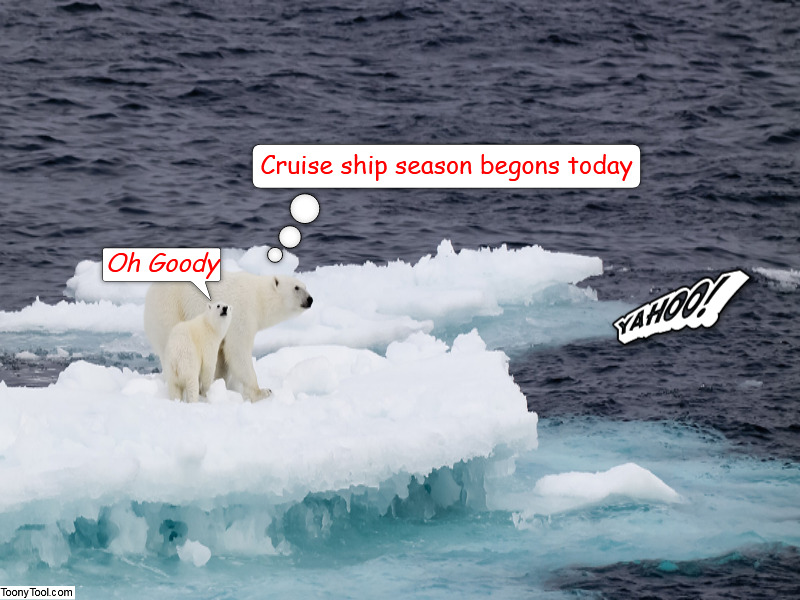
Facing Climate Change Denial: A Global Call to Action

In the face of undeniable evidence and urgent warnings from scientists worldwide, the reality of climate change remains a hotly debated topic. While a majority of nations are taking steps to mitigate the impacts of climate change, some of the largest countries, including India, Pakistan, China, and others, have been reluctant to fully acknowledge or address this pressing issue.

India, home to over a billion people and a rapidly growing economy, has often been criticized for prioritizing economic development over environmental concerns. Despite ambitious renewable energy goals and some efforts to combat pollution, India’s stance on climate change has been inconsistent, with leaders occasionally downplaying its severity.

How Could Climate Change Affect the Global Economy? | Sphera

Similarly, Pakistan, grappling with economic challenges and political instability, has struggled to prioritize climate change amidst more immediate concerns. Despite being one of the most vulnerable countries to climate impacts, including floods, droughts, and heatwaves, the government’s response has been inadequate, often overshadowed by other pressing issues.

China, the world’s largest emitter of greenhouse gases, has made significant strides in renewable energy deployment but continues to rely heavily on coal and other fossil fuels for energy production. Despite commitments to reduce emissions, China’s sheer size and rapid industrialization pose immense challenges in achieving meaningful progress towards combating climate change.

Mongolia, a country rich in natural resources, faces unique challenges due to its fragile ecosystems and dependence on industries like mining and agriculture. While acknowledging the importance of environmental conservation, Mongolia struggles to balance economic development with sustainability, often leading to environmental degradation and increased vulnerability to climate change.

Climate Change & Health Care Services | Commonwealth Fund

These countries’ reluctance to fully address climate change is not unique. Many civilizations worldwide, both developed and developing, grapple with similar challenges, whether due to economic constraints, political instability, or simply a lack of awareness and understanding of the issue’s urgency.

However, the consequences of inaction are dire and affect us all. Climate change exacerbates natural disasters, threatens food and water security, displaces communities, and undermines global stability. The longer we delay decisive action, the costlier and more irreversible the impacts will become.

Impacts of global warming | WWF Australia

Therefore, it is imperative that we move beyond political divides and national interests to confront climate change collectively. This requires not only bold policy decisions and international cooperation but also a shift in societal attitudes and behaviors towards sustainability and environmental stewardship.

As individuals, we can contribute by advocating for climate action, adopting sustainable practices in our daily lives, and holding our leaders accountable for their commitments. Together, we can overcome climate change denial and build a more resilient and sustainable future for generations to come.


Unveiling the Spin

Unveiling the Spin: How the Press Puts Their Own Twist on Every Story

   Have you ever noticed how the same news story can be reported in drastically different ways depending on which media outlet you’re reading or watching? It’s a phenomenon that’s become all too familiar in today’s media landscape: the art of spin.

   From politics to pop culture, from local events to global crises, the press has a knack for putting their own spin on any and all stories. But why does this happen, and what impact does it have on our understanding of the world around us?

    Let’s dive into the world of media manipulation and explore how the press crafts narratives to fit their own agendas.

  1. Bias Runs Deep: Whether we like to admit it or not, bias is inherent in journalism. Reporters, editors, and news organizations all bring their own perspectives, beliefs, and priorities to the table. This can manifest in subtle ways, such as the language used in a headline or the framing of a story, to more overt forms of bias, such as selective reporting or cherry-picking facts.
  2. Sensationalism Sells: In an era of 24-hour news cycles and fierce competition for clicks and views, sensationalism often wins out over substance. Media outlets know that sensational headlines and dramatic storytelling are more likely to grab attention and generate engagement. As a result, stories may be exaggerated, distorted, or taken out of context to create a more sensational narrative.
  3. Echo Chambers and Filter Bubbles: With the rise of social media and personalized news algorithms, many of us are living in echo chambers and filter bubbles, where our exposure to diverse viewpoints is limited. This can reinforce existing biases and make it easier for the press to manipulate public opinion by catering to the preferences of their target audience.
  4. Corporate Interests at Play: Behind the scenes, corporate interests often influence the news we consume. Media conglomerates, advertisers, and wealthy investors may exert pressure on journalists and news organizations to promote certain narratives or downplay others that conflict with their own interests. This can lead to censorship, self-censorship, or the prioritization of profit over journalistic integrity.
  5. Fact-Checking and Media Literacy: In an age of misinformation and fake news, fact-checking and media literacy have never been more important. It’s up to each of us as consumers of media to critically evaluate the sources of our information, cross-check facts, and seek out diverse perspectives. By becoming more media literate, we can better navigate the sea of spin and form more informed opinions.

In conclusion, the press’s penchant for putting their own twist on every story is a complex phenomenon driven by bias, sensationalism, corporate interests, and the changing media landscape. By being aware of these factors and cultivating media literacy, we can better discern truth from spin and hold the press accountable for their role in shaping our understanding of the world.

The United Nations

 A Critical Examination of Failures

1,000+ Free United Nations & Usa Images - Pixabay

    The United Nations (UN) was established in 1945 with the noble mission of promoting international cooperation and preventing conflicts. Over the years, it has played a crucial role in addressing global challenges. However, it is important to critically examine some of the significant failures that have plagued the organization, hindering its effectiveness in certain areas.

1. Peacekeeping Failures:
One of the primary functions of the UN is peacekeeping, yet it has faced notable failures in this regard. Instances such as the Rwandan genocide in 1994 and the Srebrenica massacre in 1995 showcased the UN’s inability to prevent or halt large-scale atrocities, despite having peacekeeping missions in the regions. The lack of timely and decisive action has raised questions about the organization’s capacity to fulfill its core mandate.

2. Ineffective Security Council:
The UN Security Council, designed to maintain international peace and security, has faced criticism for its structure and decision-making process. The veto power wielded by the five permanent members (China, France, Russia, the United Kingdom, and the United States) often leads to gridlock and prevents swift and effective responses to crises. This has resulted in the marginalization of smaller nations and hindered the UN’s ability to address urgent global issues.

3. Limited Enforcement Mechanisms:
While the UN can pass resolutions and sanctions, its ability to enforce them is often limited. For example, resolutions against oppressive regimes or human rights abuses may lack teeth without the support of powerful nations willing to take concrete actions. This has led to a perception that the UN’s authority is undermined by the absence of effective enforcement mechanisms.

4. Humanitarian Aid Challenges:
The UN plays a crucial role in providing humanitarian aid during crises. However, the distribution of aid has faced challenges, including bureaucratic hurdles, corruption, and issues related to coordination among different UN agencies. These shortcomings have often resulted in delays and inefficiencies, leaving vulnerable populations without the timely assistance they desperately need.

5. Lack of Accountability:
The UN has faced criticism for a perceived lack of accountability in its operations. Instances of peacekeepers engaging in misconduct, sexual exploitation, and abuse have tarnished the organization’s reputation. The slow and inadequate response to such incidents has raised concerns about the UN’s commitment to holding its personnel accountable for their actions.

6 Inadequate Response to Global Health Crises:

   The COVID-19 pandemic exposed the UN’s shortcomings in responding to global health emergencies. Despite its World Health Organization (WHO) playing a central role, there were delays, information gaps, and challenges in coordinating an effective international response. The need for a more robust and agile system to tackle pandemics became evident, highlighting areas where the UN needs to adapt.

7  Inequality and Development Gaps:

The UN’s commitment to eradicating poverty and promoting sustainable development has not been entirely successful. Despite the Millennium Development Goals and subsequent Sustainable Development Goals, there is still a stark global disparity in wealth and resources. Issues like economic inequality, lack of access to education, and insufficient healthcare persist, reflecting the UN’s struggles in addressing these fundamental challenge

In Conclusion:
While the United Nations has made significant contributions to global cooperation, it is crucial to acknowledge and address its failures. A thorough examination of these shortcomings is essential for reform and improvement. By learning from past mistakes, the international community can work towards a more effective and responsive UN that better fulfills its mission of promoting peace, security, and cooperation on a global scale.

1,000+ Free United Nations & Usa Images - Pixabay

Devastating encampment fire

    It is with heavy hearts that we share the tragic news of the passing of Peter McArthur, a 44-year-old man whose life was claimed in a devastating encampment fire near the Main Street Viaduct at the Route 1 westbound on-ramp just before 8 p.m. last Saturday.

    Peter was rushed to Halifax Hospital following the fire, where medical professionals worked tirelessly to save him. Despite their efforts, Peter tragically succumbed to his injuries. His untimely passing has left a void in the hearts of his loved ones and the community at large.

    Described by friends and acquaintances as a kind-hearted soul with a warm smile, Peter was known for his generosity and willingness to help others in need. He was a beloved member of the community, and news of his passing has deeply saddened all who knew him.

    As we mourn the loss of Peter McArthur, our thoughts and condolences go out to his family and friends during this difficult time. The impact of his presence will be cherished and remembered by many, and he will be greatly missed.

    This tragic incident also serves as a stark reminder of the challenges faced by individuals experiencing homelessness and the urgent need for continued support and resources to ensure their safety and well-being.

    We extend our deepest sympathies to all those affected by this heartbreaking loss. Peter’s memory will live on in the hearts of those who knew him, and he will be remembered for his kindness and the positive impact he had on those around him.

My Thoughts