
Category Archives: My Thoughts

Canada’s Clean Sport Commitment Gone Awry.

Canada’s Clean Sport Commitment Gone Awry.

Two assistant coaches were caught using drones to spy on New Zealand’s practices before the teams played their opening game last Thursday, a 2-1 Canada win. Canada Soccer was held responsible for not ensuring its staff complied with tournament rules.

Canada has long been an advocate for clean sports and fair play. The country’s athletes and sports organizations are committed to maintaining a strong anti-doping stance, working closely with the Canadian Center for Ethics in Sport (CCES) to uphold the principles of integrity and transparency. While Canada has had relatively few doping scandals compared to some other nations, it remains vigilant in its efforts to ensure a level playing field for all competitors. The country’s commitment to clean sports sets a positive example for others to follow.with the exception of this weeks spying on the New Zealand womens socccer team using a drone. The three Canadians culprips have been suspended from participating in the game for one year and sent back home to Canada. A Ban for life would be more appropriate.

North Arrow Instruct why are the olympic rings different colors -  citabeille.org

 The Olympic Games: A Global Stage for Glory and Controversy

Every four years, the world gathers to witness the Olympic Games, a celebration of athletic prowess, national pride, and human achievement. However, alongside the inspiring stories of dedication and triumph, the Olympics have long been plagued by controversies, particularly regarding the use of performance-enhancing drugs. The issue of doping raises questions about the integrity of the competition and the lengths some athletes and nations will go to achieve victory. Let’s explore how various countries, including Russia, China, Germany, Canada, and others, have been involved in these high-stakes battles over Olympic glory.

The Russia Doping Scandal

One of the most significant doping controversies in Olympic history involves Russia. The country’s state-sponsored doping program was exposed after the 2014 Sochi Winter Olympics, revealing a complex scheme designed to ensure Russian athletes’ dominance. This scandal led to the International Olympic Committee (IOC) banning Russia from the 2018 Winter Olympics in Pyeongchang, although some Russian athletes were allowed to compete as “Olympic Athletes from Russia” (OAR) under a neutral flag. The fallout from this scandal continues to impact Russia’s participation in international sports events, highlighting the severe consequences of systematic cheating.

China’s Rigorous Approach

China, known for its rigorous approach to sports training and development, has faced its own share of doping allegations. While the country has made significant strides in addressing these issues, instances of doping still emerge. In recent years, China has intensified its anti-doping efforts, including implementing strict testing protocols and punishments for violators. However, the pressure to excel on the global stage remains immense, leading some athletes to take shortcuts.

Germany’s Doping Legacy

Germany’s history with doping dates back to the Cold War era when East Germany operated a state-sponsored doping program that saw athletes achieving remarkable, albeit artificially enhanced, results. This legacy has haunted Germany even after reunification, pushing the nation to take a strong stance against doping. The German National Anti-Doping Agency (NADA) has been proactive in promoting clean sports and educating athletes about the dangers and consequences of doping. Despite these efforts, isolated cases continue to surface, serving as a reminder of the ongoing battle against cheating.


The Global Impact of Doping

The issue of doping transcends national borders, affecting athletes and fans worldwide. Countries like the United States, the United Kingdom, Kenya, and Jamaica have also faced doping allegations, each responding with varying degrees of success. As the fight against doping continues, international cooperation and stringent enforcement of anti-doping measures are crucial to preserving the spirit of the Olympics.

The Future of the Olympics

The Olympic Games are a symbol of unity and excellence, bringing together diverse cultures and showcasing the best of humanity’s athletic achievements. However, the persistence of doping scandals threatens to undermine the credibility of the competition. To safeguard the Olympics’ integrity, it is imperative for all stakeholders—including athletes, coaches, sports organizations, and governments—to work together to promote clean sports and hold violators accountable.

As we look to the future, the question remains: can the Olympic Games truly remain a fair and level playing field for all? Only time will tell, but the commitment to clean and honest competition must remain steadfast.


This post highlights the ongoing challenges the Olympics face with doping, the involvement of various countries, and the importance of maintaining integrity in sports.

Should Our Trust in the Media Be Questioned?

Should Our Trust in the Media Be Questioned?

In today’s digital age, the media plays a pivotal role in shaping public opinion, disseminating information, and influencing societal norms. However, the question of whether our trust in the media should be questioned is becoming increasingly relevant. Here are several reasons why a critical evaluation of media trustworthiness is necessary:

1. Proliferation of Misinformation

The rise of social media platforms and the internet has democratized information sharing, but it has also led to the spread of misinformation and fake news. With anyone able to publish content, distinguishing between credible news sources and unreliable ones has become challenging. High-profile incidents of misinformation highlight the need for skepticism and careful evaluation of the sources of our news.

2. Political Bias and Agenda

Many media outlets are accused of having political biases, which can color the way news is reported. Whether it’s through selective coverage, framing of stories, or editorial slant, media bias can lead to a distorted view of reality. Recognizing the potential for bias helps readers critically analyze the news and seek out diverse perspectives to get a more balanced understanding.

3. Corporate Influence

Media conglomerates own a significant portion of news organizations, leading to concerns about corporate influence on news content. When media outlets are part of larger corporations with diverse business interests, there is a risk that news coverage might be influenced by the need to protect those interests. This can result in underreporting of issues that might be unfavorable to the parent corporation.

4. Sensationalism and Clickbait

In the competitive world of digital media, sensationalism and clickbait have become common strategies to attract viewers and generate revenue. This focus on eye-catching headlines and sensational stories can lead to the prioritization of entertainment over informative and balanced reporting. It’s important for consumers to be aware of these tactics and look beyond the headlines to understand the full context of a story.

5. Erosion of Journalistic Standards

The pressure to be first to report a story has sometimes led to lapses in journalistic standards, such as inadequate fact-checking and reliance on anonymous sources. This can result in the dissemination of inaccurate or incomplete information. Upholding rigorous journalistic standards is crucial for maintaining trust in the media.

How to Navigate Media Trust

While questioning media trustworthiness is important, it’s equally crucial to find ways to navigate the media landscape responsibly:

  • Diversify Your Sources: Relying on multiple news sources can provide a more rounded perspective and help identify biases and gaps in reporting.
  • Check Credibility: Evaluate the credibility of news sources by considering their track record, transparency in reporting, and adherence to journalistic standards.
  • Verify Information: Fact-check information before accepting it as truth, especially if it seems sensational or too good (or bad) to be true.
  • Support Quality Journalism: Support news organizations that demonstrate a commitment to high-quality, unbiased journalism through subscriptions, donations, or other means.

In conclusion, while media plays a crucial role in our society, it is essential to approach it with a critical eye. By questioning the trustworthiness of media sources and adopting responsible media consumption practices, we can better navigate the complex information landscape and make more informed decisions.

Biden’s Unmitigated Disaster

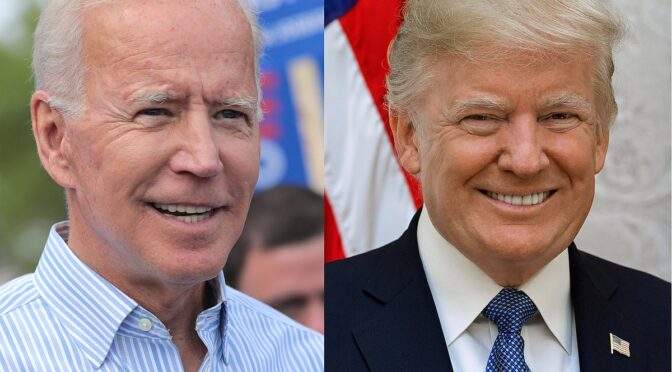
Debate Debacle: Biden’s Unmitigated Disaster and CNN’s Attempted Spin

    The recent debate between Donald Trump and Joe Biden has been nothing short of an unmitigated disaster for Biden. While the former President delivered his arguments with vigor and tenacity, Biden struggled to maintain a coherent and compelling narrative. This debate was an opportunity for Biden to showcase his leadership and vision for the future, but instead, he appeared unprepared and overwhelmed.


    Despite the clear outcome, CNN has been working overtime to put a positive spin on Biden’s performance. Their commentaries have focused on selective highlights and downplayed the numerous gaffes and missteps that characterized Biden’s debate presence. The network’s bias is evident as they attempt to shift the narrative and paint Biden in a favorable light, despite the overwhelming evidence of his lackluster showing.

    It’s crucial for the public to recognize these attempts at media manipulation. The debate stage is one of the few places where candidates can present themselves directly to the voters, unfiltered and unscripted. Biden’s inability to capitalize on this opportunity speaks volumes about his readiness to lead. No amount of media spin can change the fact that this debate was a significant setback for the Biden campaign.

    As voters, we must critically evaluate what we see and hear, distinguishing between genuine performance and media-induced perception. The stakes are too high to let biased reporting cloud our judgment.