
The impact of retaliatory tariffs, like the 25% tariffs Canada might impose on U.S. goods, can be far-reaching, affecting various aspects of the economy on both sides of the border. Here’s a breakdown of the key effects:
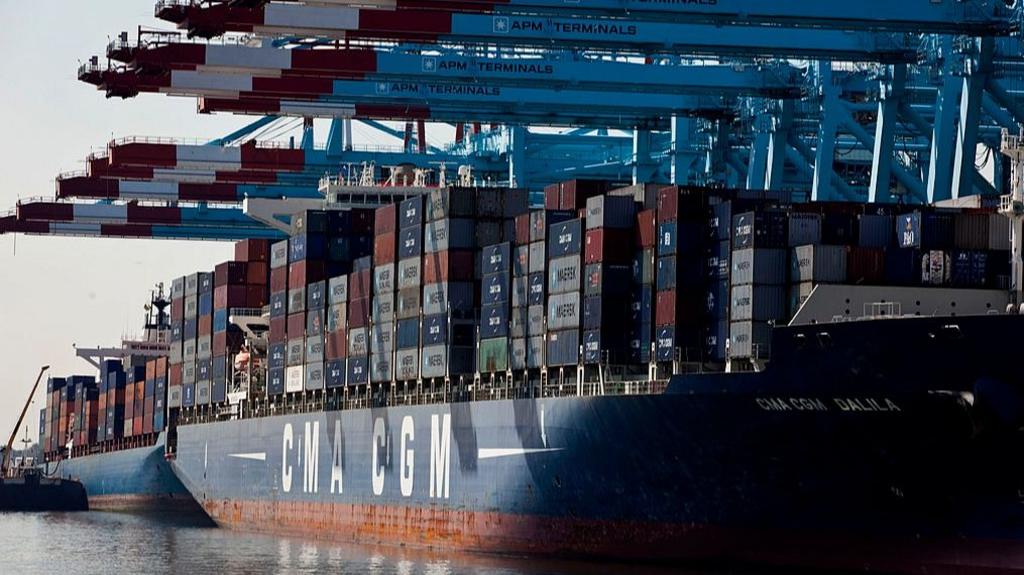
1. Price Increases for Consumers:
- Higher Costs: When tariffs are placed on imports, the price of those goods tends to rise. If Canada imposes tariffs on U.S. products, Canadians could see higher prices on items like American-made cars, agricultural products, and machinery. In turn, Americans could face higher costs for Canadian products like timber, steel, and aluminum.
- Inflation: These price increases can contribute to inflation, especially if the tariffs target widely used goods or materials. The overall cost of living could go up, particularly for households dependent on goods that are imported.
2. Disruptions in Supply Chains:
- Manufacturing Delays and Costs: Many industries depend on cross-border trade for parts and raw materials. For example, if Canadian companies rely on U.S. steel or agricultural goods, higher tariffs could disrupt their supply chains, forcing companies to find more expensive alternatives or pass on the costs to consumers.
- Potential for Reduced Exports: In retaliating, Canada might target goods that are key U.S. exports, such as agricultural products or automotive parts. This could hurt U.S. producers who depend on the Canadian market.
3. Trade Diversion:
- Shifting Trade Partners: Companies might seek alternatives to U.S. suppliers, shifting their focus to other countries that don’t have tariffs. For example, Canadian businesses could source goods from Europe or Asia instead of the U.S. This could lead to long-term changes in trade patterns and relationships.
- New Trade Deals: On both sides, there may be a push to negotiate new trade deals or find new partners outside of the U.S.-Canada trade relationship, potentially opening up more competition or new opportunities.
4. Economic Growth and Job Losses:
- Job Impact: Tariffs can hurt industries that rely on exports. U.S. manufacturers or Canadian farmers could lose business as a result of higher prices or reduced demand. In some cases, companies might move operations to other countries to avoid tariffs, potentially leading to job losses.
- Reduced Economic Activity: The overall trade slowdown can affect broader economic growth. If consumers and businesses face higher costs or reduced access to certain goods, this could stifle economic expansion on both sides of the border.
5. Political and Diplomatic Strains:
- Relations Between Countries: Trade wars often spill over into political tensions. Retaliatory tariffs might sour U.S.-Canada relations, making it harder to negotiate other areas of cooperation (such as defense, environmental issues, or immigration).
- Global Market Impact: Canada and the U.S. are both major players in the global economy, so any disruption in trade could ripple through international markets. If other countries sense volatility, they might adjust their own trade strategies or impose their own tariffs.
6. Industry-Specific Impacts:
- Automotive Industry: Since both Canada and the U.S. have integrated automotive supply chains, tariffs could make cars and car parts more expensive for consumers. Canadian auto manufacturers that export to the U.S. could see their products become less competitive in the U.S. market.
- Agriculture: Farmers in both countries might bear the brunt of retaliatory tariffs. For instance, Canada could impose tariffs on U.S. dairy or meat products, which might hit U.S. farmers, while Canadian farmers who rely on U.S. exports could face similar disruptions.
- Steel and Aluminum: Canada and the U.S. are both major producers of steel and aluminum. Tariffs in this area can hit industries like construction, manufacturing, and aerospace, which rely on these materials.
7. Market Sentiment:
- Investor Confidence: Ongoing trade conflicts can make markets more volatile. Uncertainty around tariffs and their potential impact on economic growth might make investors more cautious, leading to stock market fluctuations.
- Consumer Confidence: If people expect their costs to rise due to tariffs, they might cut back on spending, which could affect retail and service industries.
In summary, while retaliatory tariffs can serve as a form of protest or leverage in negotiations, the broader consequences often include higher prices for consumers, disruptions in trade and manufacturing, potential job losses, and economic uncertainty. The immediate effect is usually negative for both countries involved, though the full impact depends on the scope and duration of the tariffs.



:max_bytes(150000):strip_icc():format(webp)/7665-Lemon-Pudding-Cake-ddmfs-4x3-2634-f0a57bcf22fb403192a8ef490c2a7696.jpg)
