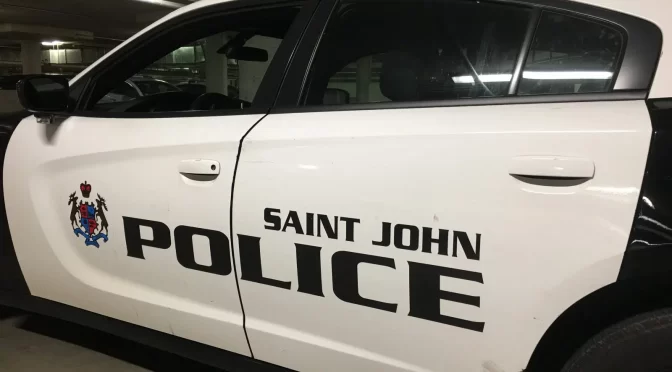
4 new constables

The Saint John Police Force has recently welcomed four new constables: Benjamin Cannon, Arjun Chauhan, Owen Lohnes, and Carlo Mariano. These officers were sworn in during a ceremony at police headquarters on January 10, 2025, and have begun their duties immediately.
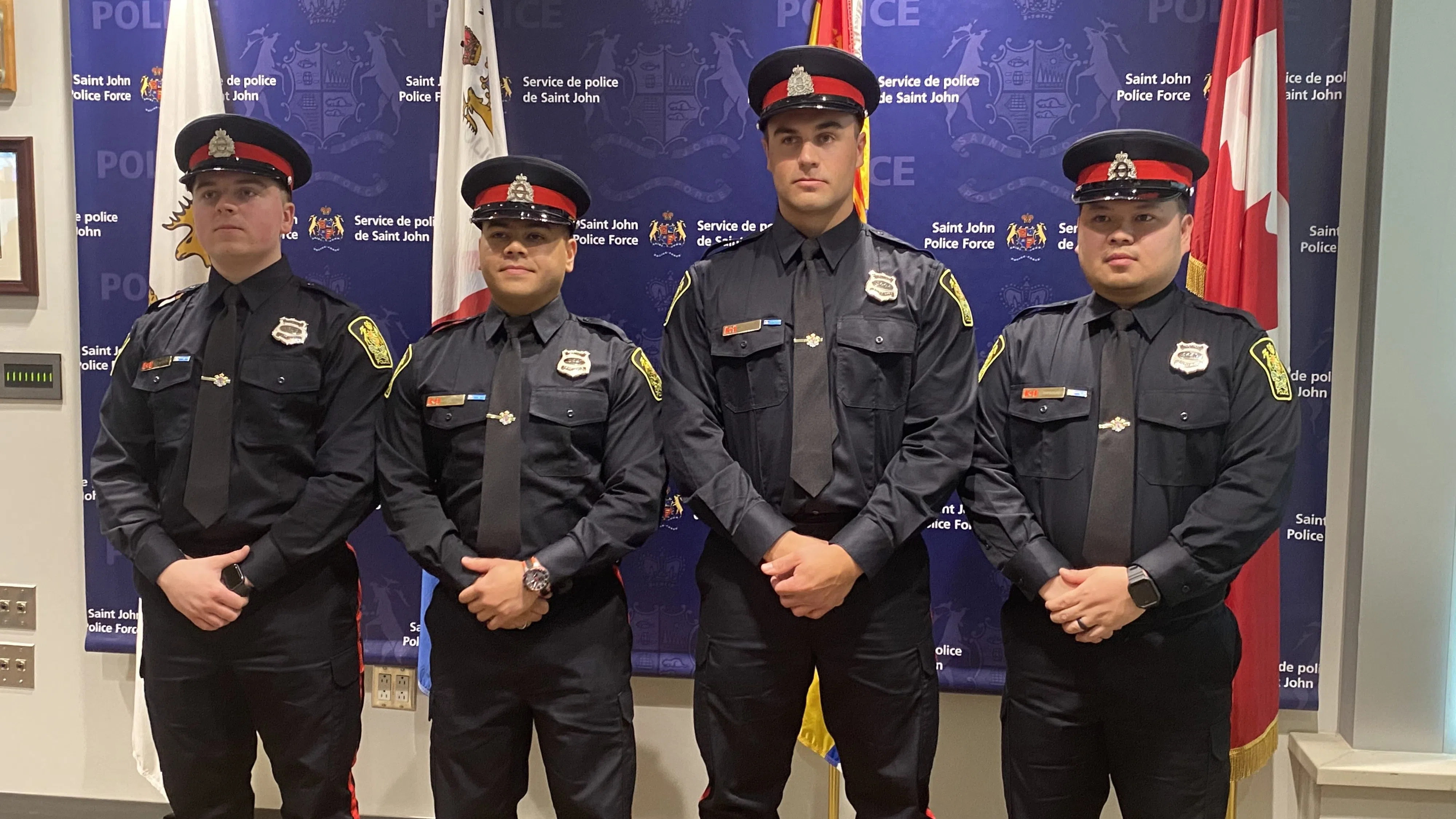
Saint John police welcome 4 new constables

From left: Benjamin Cannon, Arjun Chauhan, Owen Lohnes and Carlo Mariano

All four recruits were selected by the force’s recruitment team and sponsored to attend the Atlantic Police Academy, where they completed six months of training. Chief Robert Bruce expressed pride in the new members, stating, “We are very proud of our newest members. Each of them brings a uniqueness that will have a positive impact on our service delivery as we continue to focus on community engagement keeping our city safe, secure and healthy.”

Constable Owen Lohnes has a personal connection to the force, as his father, Jason, is a long-serving member who influenced his decision to pursue a career in policing. Additionally, Constable Arjun Chauhan, who moved to New Brunswick from India in 2019, participated in the force’s first inclusion and diversity recruitment camp last year. He is the first participant from that camp to be hired by the force, highlighting the department’s commitment to diversity and community representation.

With these new additions, the Saint John Police Force now comprises 146 officers dedicated to serving the community.
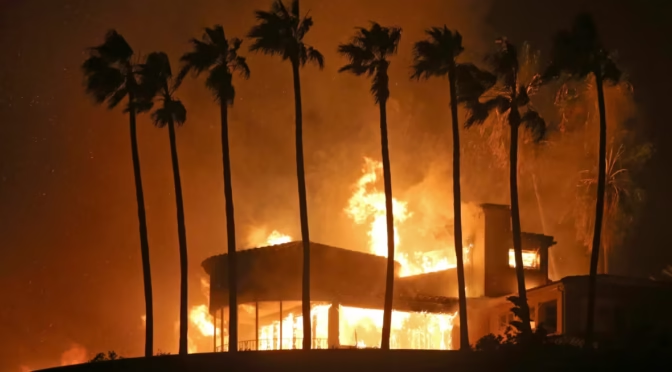
Why are trees still standing next to burned-out buildings in Los Angeles?

Palm trees in California are surprisingly resilient to fire, but they are not completely immune. Several factors explain why they don’t always burn in wildfires, despite their proximity to fire-prone environments:


1. Height and Structure

  • Palm trees have tall trunks with most of their foliage (fronds) at the top, away from ground-level flames. In many cases, wildfires burn along the ground and do not reach the tree canopy.
  • The smooth and fibrous bark of some palm species can also limit the fire’s ability to climb up the trunk easily.

2. Moisture Content

  • Healthy palm trees contain a high level of moisture in their trunks and leaves, which makes them less flammable compared to drier trees or shrubs.
  • Their large, thick trunks act as a reservoir, retaining water and making them more fire-resistant.

3. Fire-Resistant Species

  • Many ornamental palm species planted in California are not native and are chosen for their drought tolerance and fire resistance. For example, Canary Island Date Palms and Mexican Fan Palms are commonly seen in urban areas and are more fire-resistant than some native vegetation.

4. Fire Behavior

  • Palm trees are often found in urban or landscaped areas where brush and grasses (primary fuel for wildfires) are regularly cleared. As a result, the fire may not have enough fuel to sustain itself around the palms.
  • However, if palm trees have dry, dead fronds hanging down, these can act as “fire ladders,” allowing flames to reach the canopy and ignite the tree.

5. Maintenance

  • In urban settings, palm trees are frequently pruned to remove dead fronds, which would otherwise act as kindling. Regular maintenance reduces the risk of them catching fire.

When Do Palm Trees Burn?

While they are more resistant than other trees, palm trees can still burn under certain conditions:

  • Dead Fronds: Unmaintained palms with dead or dry fronds are highly flammable and can ignite during a wildfire or from embers.
  • Prolonged Exposure: Prolonged contact with high-intensity flames can overwhelm even the most resilient trees.
  • Drought Stress: A stressed or dying palm with low moisture content is more likely to burn.

In short, palm trees are more fire-resistant than other vegetation due to their height, moisture content, and sometimes human maintenance, but they are not entirely fireproof.

More shipping containers in Saint John

The Port of Saint John is experiencing significant growth in shipping container traffic due to recent developments. A new partnership between DP World, the port’s container terminal operator, and the Gemini Cooperation—a collaboration between shipping companies Hapag-Lloyd and Maersk—will commence in February 2025. This alliance is expected to bring larger vessels to the port, potentially increasing container throughput beyond 200,000 TEUs (twenty-foot equivalent units), a milestone yet to be achieved in Saint John.

To accommodate this anticipated growth, DP World has expanded the port’s infrastructure. In November 2024, two additional container cranes arrived from the Port of Virginia, bringing the total to six. These new cranes have an outreach of 65 meters, enabling them to service ships up to 24 containers wide, and a lift height of 40.4 meters, enhancing the port’s capacity to handle larger vessels. The goal is to have these cranes operational by early 2025.

These developments are part of a broader revitalization of the port, aiming to strengthen trade connections between Asia, Europe, and North America. The Gemini Cooperation has set an ambitious target of achieving 90% on-time vessel arrivals, which is expected to enhance the efficiency and reliability of shipping services through Saint John.

In addition to its industrial growth, Saint John has embraced its maritime heritage through initiatives like the AREA 506 Waterfront Container Village. Launched in June 2022, this innovative space repurposes over 60 shipping containers to host retail shops, performance spaces, and food vendors, celebrating the city’s identity as a port city and attracting both residents and visitors.

These combined efforts underscore Saint John’s commitment to enhancing its port facilities and integrating maritime culture into the urban experience, positioning the city as a vital hub in global shipping networks.


Learn Your Name in Morse Code Day

Learn Your Name in Morse Code Day is an unofficial holiday celebrated annually on January 11th. It’s a fun and educational day dedicated to introducing people to Morse code—a method of communication that uses a series of dots (•) and dashes (–) to represent letters, numbers, and symbols.

Why Celebrate?

  • History: Morse code, developed in the early 1830s and 1840s by Samuel Morse and Alfred Vail, played a crucial role in early telecommunications.
  • Skill-building: Learning Morse code can improve memory and problem-solving skills.
  • Emergency Use: Knowing even the basics, like SOS (••• ––– •••), can be helpful in emergencies.

How to Celebrate:

  1. Learn Your Name in Morse Code:
    • Use a chart to spell out your name in dots and dashes.
    • Example: “SAM” would be ••• – •–.
  2. Practice Sending Messages:
    • Tap or flash your name using a flashlight or an app that translates Morse code.
  3. Share with Friends:
    • Teach others how to write or tap their names in Morse code.
    • Post your name in Morse on social media with the hashtag #MorseCodeDay.
  4. Learn the History:
    • Read about Samuel Morse and the invention of Morse code.
  5. Challenge Yourself:
    • Try learning the entire alphabet or phrases in Morse code.