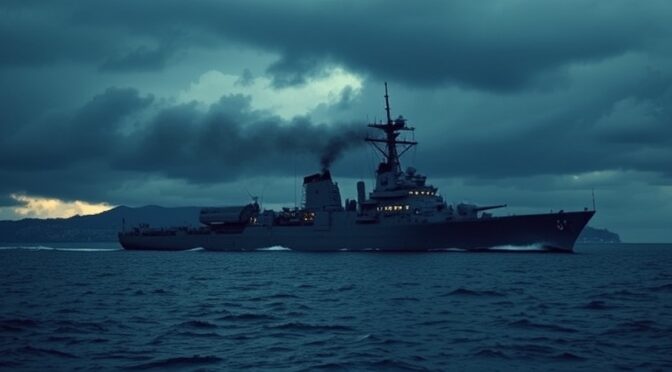
December 7th marks the anniversary of the attack on Pearl Harbor in 1941, a pivotal event in World War II history. On this day, Japanese forces launched a surprise military strike against the United States naval base at Pearl Harbor, Hawaii, resulting in devastating losses.
Key Facts About the Attack:
- Time of the Attack: The assault began early in the morning and lasted about two hours.
- Casualties: Over 2,400 Americans lost their lives, with many more wounded. Additionally, several battleships, including the USS Arizona, were sunk or severely damaged.
- Impact: The attack led to the United States’ entry into World War II, as President Franklin D. Roosevelt famously declared December 7th as a “date which will live in infamy” during his address to Congress the following day.
How Pearl Harbor Day is Observed:
- Memorial Services: Ceremonies are held at the Pearl Harbor National Memorial in Hawaii and across the U.S. to honor the lives lost.
- Moments of Silence: Observed at the time the attack began, around 7:55 a.m. Hawaiian time.
- Educational Programs: Discussions, documentaries, and exhibits are organized to teach new generations about the event’s historical significance.
- Tributes: Flags are often flown at half-staff in remembrance.
The Legacy of Pearl Harbor:
The attack not only united the U.S. but also reshaped global alliances and strategies during the war. Today, the USS Arizona Memorial, located above the sunken battleship, serves as a solemn reminder of the sacrifices made.