Computer Security Day

Computer Security Day

November 30 is Computer Security Day. The unofficial holiday encourages people to secure their computers and their personal information.
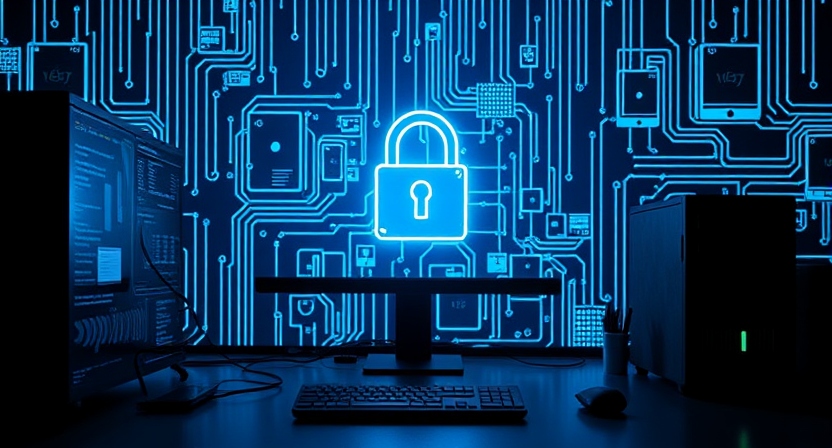
 

Computers, electronic devices, and smart phones have made our lives easier by making communication faster, more convenient and more efficient. At the same time, they have created many privacy and security issues. The holiday reminds people to stay on top of their computer security and to take steps to make their personal information and data secure.

What To Do?

  • Using the same old password or the same password for all your online accounts? You may be vulnerable to hackers. Spend the day changing and updating your passwords.
  • Sign up for a password manager that not only generates random passwords for you but can also save them for you so you don’t have to remember them.
  • Update all your spyware and malware protection software.
  • Back up your files and photographs.
  • If you own a business or are responsible for organizing events at your workplace, why not hold a computer security seminar for your employees and co-workers? Draw up a security strategy and best practices for all of them to follow and present it at the meeting.

FYI…

…that the first known computer virus was called the Creeper Virus? The virus affected the Advanced Research Projects Agency Network or ARPANET, the precursor to today’s internet.


UK MPs vote in favour of assisted dying

In a landmark decision, UK MPs have voted in favor of a bill to legalize assisted dying, marking a pivotal moment in the country’s approach to end-of-life care. The bill, introduced by Labour MP Kim Leadbeater, seeks to allow terminally ill, mentally competent adults the option to seek medical assistance to end their suffering under strict safeguards. These include approval from two independent doctors and a High Court judge, ensuring that the choice is informed, voluntary, and carefully regulated.

The vote reflects growing public support for assisted dying, with recent surveys showing that up to 75% of Britons back the change. Advocates, including organizations like Dignity in Dying, highlight the importance of providing terminally ill individuals with control over their death, reducing unnecessary suffering, and upholding personal dignity. They point to successful models in countries like New Zealand and Australia, where similar laws have been implemented alongside robust protections.

However, critics caution against potential risks, including the possibility of vulnerable individuals feeling pressured to end their lives prematurely. Concerns about a “slippery slope” effect and the adequacy of palliative care remain central to opposition arguments. Despite these concerns, proponents emphasize that the proposed safeguards are among the most rigorous globally, aiming to balance compassion with protection.

This development reignites a deeply ethical and emotional debate in the UK, one that could lead to significant reform in how the country approaches death and dying in the 21st century

Electronic Greeting Card Day


November 29 is Electronic Greeting Card Day. Spread cheer by sending personalized e-cards to your family and friends.


While the origins of this unofficial holiday are unknown, it is clear that the holiday aims to encourage people to start a conversation with family and friends you haven’t seen or spoken to for a while over the Internet. Sending e-cards or e-greetings can not only spread cheer, it can also help people reconnect.

How to Celebrate?

  • Send e-cards. They are easy, environmentally friendly and cheap to send.
  • You don’t need an occasion to send e-cards to your loved ones – just send a card to tell them that you care about them and how much they mean to you.
  • Make your own holiday greeting card and send them to your loved ones online instead of mailing copies.

FYI…

…that the e-card was created in 1994 by Judith Donath in the form of an electronic postcard?

Electronic Greeting Card Day #2


November 29 is Electronic Greeting Card Day. Spread cheer by sending personalized e-cards to your family and friends.


While the origins of this unofficial holiday are unknown, it is clear that the holiday aims to encourage people to start a conversation with family and friends you haven’t seen or spoken to for a while over the Internet. Sending e-cards or e-greetings can not only spread cheer, it can also help people reconnect.

How to Celebrate?

  • Send e-cards. They are easy, environmentally friendly and cheap to send.
  • You don’t need an occasion to send e-cards to your loved ones – just send a card to tell them that you care about them and how much they mean to you.
  • Make your own holiday greeting card and send them to your loved ones online instead of mailing copies.

FYI…

…that the e-card was created in 1994 by Judith Donath in the form of an electronic postcard?