Nature’s Free Fertilizer for Your Lawn 🍂

The Benefits of Fallen Leaves: Nature’s Free Fertilizer for Your Lawn 🍂

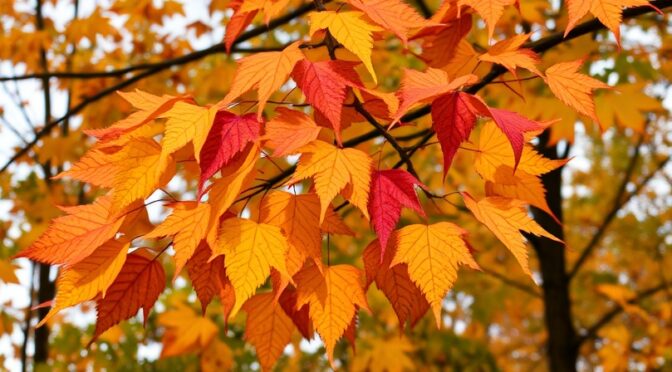
As autumn arrives and the trees begin to shed their leaves, many homeowners see raking and bagging those fallen leaves as a seasonal chore. But before you haul them away, consider this: those leaves can actually be one of the best things for your lawn!

Here’s why letting leaves decompose naturally—or using them strategically—can give your lawn a natural boost:

1. Rich in Nutrients

Fallen leaves are packed with essential nutrients like nitrogen, phosphorus, and potassium, the same nutrients found in many commercial fertilizers. When you leave them on your lawn to break down, they create a natural mulch that enriches the soil, promoting healthy grass growth without synthetic chemicals.

2. Improves Soil Structure

As leaves decompose, they add organic matter to the soil. This improves the soil’s structure, allowing for better water retention and aeration. Whether your lawn has compacted clay or sandy soil, leaf mulch helps create a more balanced environment for your grass to thrive.

3. Supports Earthworms and Microbes

Decomposing leaves attract earthworms and beneficial microbes. These organisms break down the leaves further and improve soil health. Earthworms in particular aerate the soil, which helps your lawn breathe, while microbes enhance the nutrient cycle.

4. Acts as Natural Mulch

A light layer of shredded leaves can act as a natural mulch for your lawn, suppressing weeds and insulating the grass roots during colder months. Just make sure to mow over the leaves to break them down into smaller pieces so they don’t smother your lawn.

5. Reduces Landfill Waste

Each year, tons of bagged leaves end up in landfills, where they contribute to greenhouse gas emissions as they break down in a low-oxygen environment. By leaving the leaves on your lawn, you’re helping reduce waste and promoting a more eco-friendly yard care practice.

Tips for Using Fallen Leaves on Your Lawn:

  • Shred Them: Use a lawn mower or leaf shredder to chop the leaves into smaller pieces. This helps them decompose faster and prevents a thick mat of leaves that can block sunlight and water.
  • Don’t Overdo It: While leaves can be beneficial, too many can smother your grass. Spread the shredded leaves evenly across your lawn, or consider using some in your garden beds or compost pile.
  • Keep an Eye on Pests: Be mindful that excessive leaf piles can sometimes harbor pests like slugs or mold. Balance is key!

This fall, consider skipping the rake and letting nature’s cycle take its course. By allowing leaves to nourish your lawn, you’ll save time, improve your soil, and help your grass grow greener next spring—all without spending a dime on fertilizer!

🍁 Embrace the leaves, and let your lawn thrive naturally! đŸŒ±

On this day October 18

Today in History

  • 2007 Benazir Bhutto returns to Pakistan

    The former Prime Minister of Pakistan and daughter of Zulfikar Ali Bhutto, the 9th PM of Pakistan, Benazir returned to Pakistan after living 8 years in London and Dubai in a self-imposed exile. Two months later she was assassinated in a bombing while campaigning for the forthcoming elections.

  • 1998 Jesse Pipeline Explosion in Nigeria Kills Over 200

    The oil pipeline, which was owned by the Nigerian National Petroleum Corporation, was situated just outside the city of Lagos. Over 200 people died in the resulting fire that raged for 6 days before it could be put out.

  • 1967 First Space Probe to Enter the Atmosphere of Another Planet

    The Soviet Probe Venera 4 entered Venus’ atmosphere and sent back information to Earth for about 90 minutes before it lost contact. When Venera 7 landed on Venus a few years later, it became the first probe to land on another planet.

  • 1867 Alaska Becomes a Part of the United States

    US had purchased the large and sparsely populated territory of Alaska from Russia for $7.2 million. The purchase was not seen as a positive acquirement by many American citizens who believed that adding Alaska to the US’s territory was a waste of taxpayers’ money. Many called the act, Seward’s folly after Secretary of State William H. Seward, who was responsible for making the purchase. Alaska was admitted to the Union as a state in 1959. October 18 is annually celebrated as Alaska Day in Alaska.

  • 1851 Moby Dick is Published for the First Time

    The epic written by American novelist, Herman Melville, is about a sailor’s obsession with tracking down and killing an elusive whale that took his leg in a previous encounter. The book was published as The Whale in London for the first time and then a month later as Moby Dick in the United States. It is thought to be one of the best works of fiction written in modern times.

Biden’s Bid for Legacy

Biden’s Bid for Legacy: How Israel Found and Eliminated Hamas Leader Yahya Sinwar

In a significant moment for Middle Eastern geopolitics, Israel successfully located and eliminated Yahya Sinwar, the prominent Hamas leader responsible for orchestrating violent attacks on Israeli civilians. Sinwar, who was the face of Hamas in Gaza and a key architect of terror operations, was targeted by Israeli forces in an operation demonstrating their intelligence and military precision.

But amid this major breakthrough, U.S. President Joe Biden appears eager to claim a share of the credit. As the world watched the culmination of Israel’s mission, Biden’s administration has signaled that his behind-the-scenes diplomacy played a crucial role. Biden has long sought a peace legacy in the Middle East, and with this high-profile Hamas leader taken down, the president seems poised to highlight U.S. involvement as a part of his efforts to stabilize the region.

However, while Biden may want to wrap this into his legacy, the facts on the ground tell a different story. Israel’s intelligence services, the IDF, and Mossad have been relentlessly pursuing Hamas leadership for years, and Sinwar was no exception. The operation to find him was primarily the work of Israel’s meticulous intelligence network, with assistance from other nations largely remaining supportive at best. Yet, Biden’s administration seems eager to highlight their diplomatic engagement as a factor in Sinwar’s elimination.

For Biden, this is more than just a tactical victory—he’s looking for a legacy boost. As his presidency faces challenges on multiple fronts, from domestic issues to global conflicts, the elimination of Sinwar offers an opportunity to claim leadership on one of the world’s most volatile issues. But the question remains: is this really Biden’s victory to own, or is he just trying to ride on the success of Israel’s military achievements?

For now, it seems clear that while Israel did the heavy lifting, Biden is doing his best to leverage the moment for his own narrative. Only time will tell whether this attempt will stick as part of his legacy or if it will be seen as political opportunism.