Understanding Heat Waves and Their Dangers
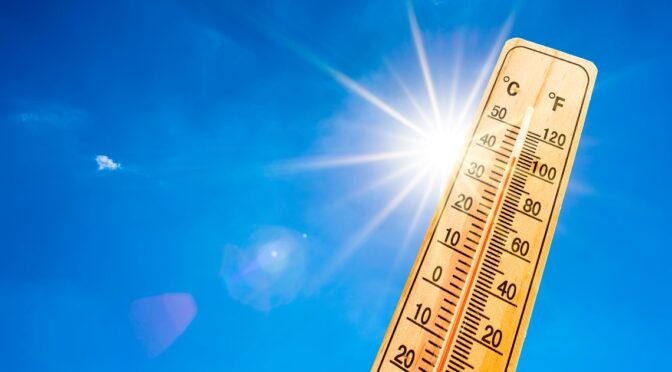
Heat waves are prolonged periods of excessively hot weather, which may be accompanied by high humidity. They can pose serious threats to health, the environment, and infrastructure. Let’s explore what causes heat waves and the dangers they present.
Causes of Heat Waves
- High Pressure Systems: Heat waves often occur when a high-pressure system stalls in an area. These systems compress air downward, warming it and preventing cloud formation, which leads to clear, sunny skies and higher temperatures.
- Urban Heat Islands: Cities are prone to higher temperatures due to human activities and heat-absorbing materials like concrete and asphalt. This phenomenon, known as the urban heat island effect, can exacerbate the impact of heat waves.
- Climate Change: The frequency and intensity of heat waves have been increasing due to climate change. Higher concentrations of greenhouse gases in the atmosphere trap more heat, leading to global temperature rises and more extreme weather patterns.
- Jet Stream Patterns: Changes in the jet stream, a fast-flowing ribbon of air high in the atmosphere, can lead to prolonged periods of hot weather. When the jet stream becomes stationary or wavy, it can trap heat in one area.
Dangers of Heat Waves
- Health Risks:
- Heat-Related Illnesses: Prolonged exposure to high temperatures can lead to heat exhaustion, heat stroke, and dehydration. Vulnerable populations such as the elderly, children, and those with preexisting health conditions are particularly at risk.
- Increased Mortality: Heat waves have been responsible for significant spikes in mortality rates. For example, the 2003 European heat wave caused over 70,000 deaths.
- Environmental Impact:
- Wildfires: Hot, dry conditions during heat waves can lead to wildfires, which destroy forests, homes, and wildlife habitats.
- Water Shortages: High temperatures increase evaporation rates, leading to reduced water supplies in reservoirs and rivers.
- Agricultural Damage:
- Crop Failure: Extreme heat can damage crops, leading to reduced yields and food shortages. This can have economic repercussions and impact food security.
- Livestock Stress: Animals can suffer from heat stress, affecting their health and productivity.
- Infrastructure Strain:
- Power Outages: Increased use of air conditioning during heat waves can strain the power grid, leading to blackouts.
- Road and Rail Damage: Prolonged heat can cause roads to buckle and rail tracks to expand, leading to transportation disruptions.
- Economic Impact:
- Healthcare Costs: The treatment of heat-related illnesses and injuries increases healthcare expenses.
- Productivity Loss: High temperatures can reduce worker productivity, particularly in outdoor industries such as construction and agriculture.
Prevention and Mitigation
To mitigate the effects of heat waves, it is essential to:
- Implement urban planning strategies that reduce the urban heat island effect, such as increasing green spaces and reflective roofing.
- Enhance public awareness about heat-related risks and preventive measures.
- Strengthen emergency response systems to protect vulnerable populations.
- Invest in climate resilience infrastructure to withstand extreme weather events.
Understanding the causes and dangers of heat waves is crucial in developing strategies to protect public health and adapt to a changing climate. By taking proactive measures, we can reduce the impact of these extreme weather events and safeguard our communities.