

The Symbolism and Beauty of Christmas Plants
When we think of Christmas, our minds are flooded with cozy imagery—twinkling lights, crackling fires, and the smell of freshly baked cookies. However, one of the most enduring and natural symbols of the season comes from plants. Christmas plants are more than just decoration; they carry rich traditions, cultural symbolism, and natural beauty that elevate our festive celebrations.
Poinsettias: The Quintessential Christmas Flower
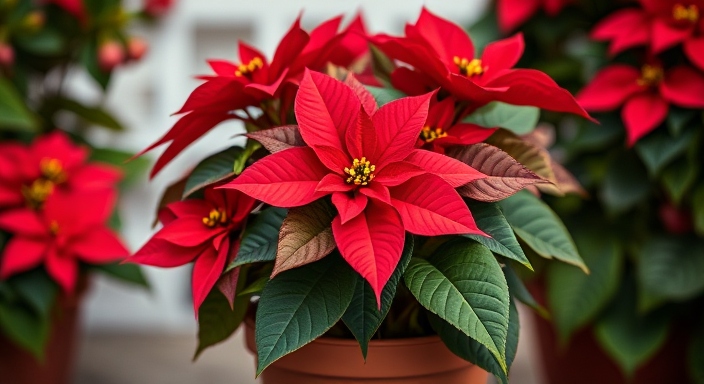
No Christmas plant list is complete without mentioning the poinsettia. With its striking red and green foliage, the poinsettia has become synonymous with holiday cheer. Originating in Mexico, it was brought to the U.S. in the 19th century by Joel Poinsett, the first U.S. ambassador to Mexico. In Mexican tradition, the plant is linked to the “Legend of the Poinsettia,” where a poor child’s humble gift of weeds turned into radiant red flowers at a church altar, symbolizing the true spirit of giving. Today, poinsettias are displayed in homes, churches, and offices, available in red, white, and pink varieties to match any festive theme.
Mistletoe: A Kiss Under Tradition

Mistletoe is steeped in myth and folklore. In ancient times, it was revered by Druids, believed to bring health, fertility, and protection. Fast forward to today, mistletoe is best known as the plant under which lovers exchange a kiss. This custom dates back to Victorian England, where standing beneath mistletoe granted a moment of romance. Beyond its playful tradition, mistletoe also symbolizes peace and goodwill—perfect themes for the season of love and togetherness.
Holly: A Symbol of Protection and Life
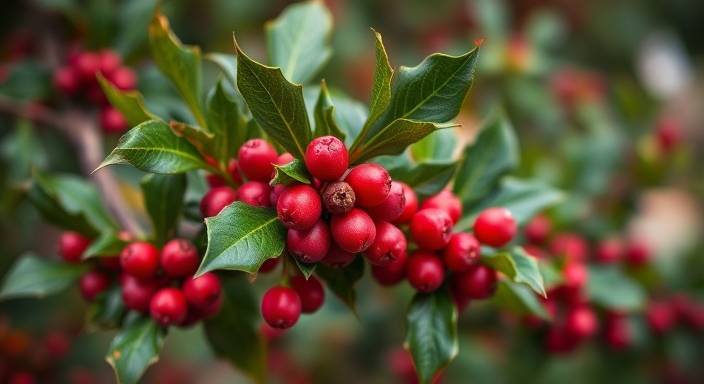
The glossy green leaves and bright red berries of holly make it a natural Christmas favorite. Holly holds deep religious and cultural symbolism. In Christian tradition, the sharp leaves are thought to represent the crown of thorns worn by Jesus, while the red berries symbolize His blood. Before its Christian associations, holly was celebrated by Celts and Romans as a plant of protection and eternal life. Hung in doorways and windows, holly is said to ward off evil spirits and bring good luck. Its hardy evergreen appearance also makes it a perfect plant to brighten winter’s stark landscape.
Christmas Trees: Evergreen Majesty

The centerpiece of Christmas decorations is, of course, the Christmas tree. The evergreen fir, spruce, or pine represents eternal life, as it remains lush and green even in the harshest winters. The modern tradition of decorating a Christmas tree originated in Germany in the 16th century before spreading across Europe and to America. Adorned with lights, ornaments, and garlands, the Christmas tree creates a symbol of joy, family, and togetherness that unites people around the world.
Amaryllis: The Elegant Winter Bloom
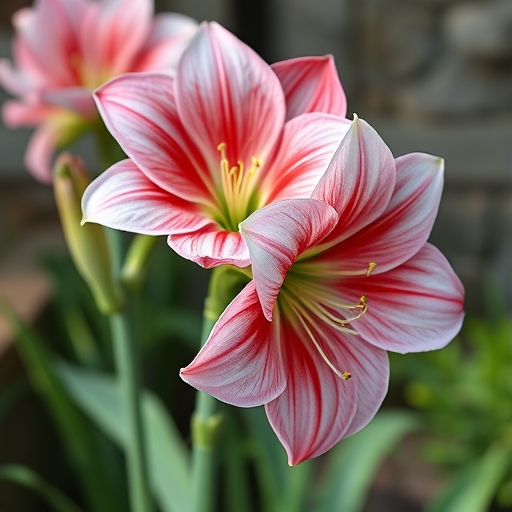
For a touch of sophistication, the amaryllis is a stunning addition to Christmas plant displays. Its tall, trumpet-shaped flowers bloom in vibrant reds, whites, and pinks during the winter months, adding a festive elegance to any room. Symbolizing strength, beauty, and determination, the amaryllis reminds us of the resilience and joy that the season brings.
Ivy and Beyond
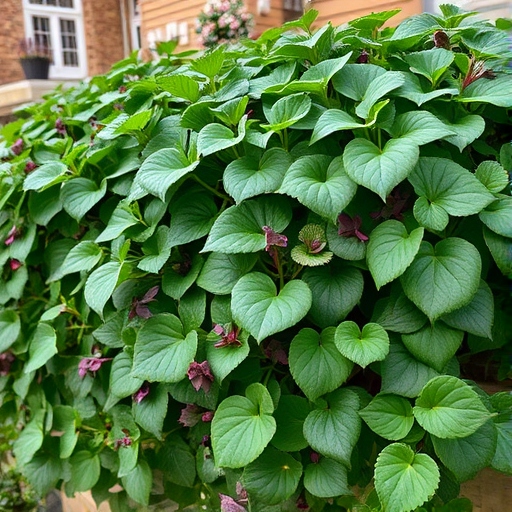
Other winter plants, such as ivy and Christmas cactus, add to the natural beauty of the season. Ivy symbolizes fidelity and eternity, while the Christmas cactus delights with its cascading pink, red, or white flowers.
These plants not only fill our homes with beauty but also connect us to centuries of tradition, hope, and celebration. Whether it’s the poinsettia’s vibrant reds, mistletoe’s romantic tradition, or the majestic Christmas tree, Christmas plants remind us of nature’s enduring role in our lives—bringing comfort, symbolism, and cheer throughout the holidays. 🌿