Category Archives: The World

Iran and Isreal updates

🔥 What’s Happened So Far

1. Operation “Rising Lion” – Israel’s Large‑Scale Air Campaign

  • Launched early on June 13, Israel struck over 100 sites in Iran across at least five waves using more than 200 aircraft nypost.com+2reuters.com+2thetimes.co.uk+2news.com.au+5theguardian.com+5en.wikipedia.org+5.

  • Targets included nuclear enrichment facilities (Natanz, Fordow, Isfahan), missile bases (Parchin), the Defense Ministry in Tehran, oil infrastructure, SSM systems, and civilian areas theguardian.com+1apnews.com+1.

  • A covert Mossad drone campaign reportedly preceded and supplemented the strikes, disabling Iranian air defenses and missile launchers within Iran en.wikipedia.org+1en.wikipedia.org+1.

2. Iran’s Counter‑Strike: “True Promise III”

  • Starting June 13, Iran deployed seven waves of ballistic missiles and over 100 drones targeting Israeli cities (Jerusalem, Tel Aviv, Haifa, Bat Yam, Rehovot, etc.) npr.org+15understandingwar.org+15theguardian.com+15.

  • Some penetrated the Iron Dome, hitting residential buildings, universities, and scientific institutions like the Weizmann Institute theguardian.com+1theguardian.com+1.

  • Ongoing fire and sirens in major Israeli cities—including Jerusalem and Tel Aviv—mark continued hostilities theguardian.com.


🧨 Casualties & Damage

Country Deaths Injuries
Iran At least 406 confirmed; over 654 injured (Human Rights Activists) nypost.com+15theguardian.com+15apnews.com+15  
Israel At least 10–14 killed; ~400 injured  

Who is winning the ceasefire

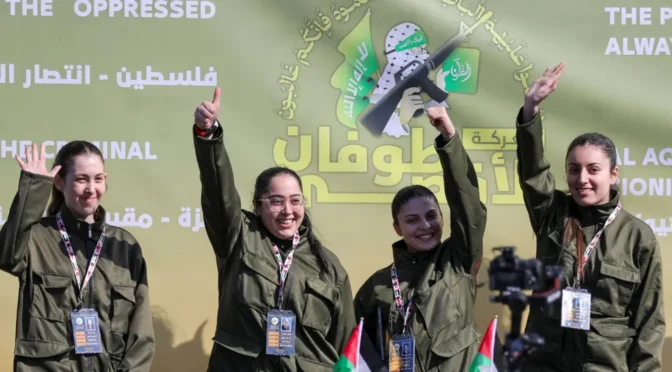
The current ceasefire arrangement between Israel and Hamas is a highly contentious and polarizing issue. As part of the temporary agreement, Israel has agreed to release thousands of Palestinian prisoners, including individuals convicted of serious crimes such as murder, rape, and terrorism, some of whom are serving multiple life sentences. This is being done in exchange for the release of less than 100 hostages held by Hamas.

This disparity in the numbers and the nature of the exchange raises significant questions about the broader implications. Supporters of the deal argue that every hostage’s life is invaluable and that such concessions are necessary to save lives. Critics, however, contend that releasing prisoners with severe criminal records poses security risks and sets a dangerous precedent for future negotiations.

The ceasefire itself is fragile, and while it offers temporary relief from violence, the long-term outcomes remain uncertain. Both sides are framing the agreement as a victory, but whether it brings lasting peace or escalates tensions further will depend on how events unfold after the ceasefire ends.

No, China does not operate the Panama Canal

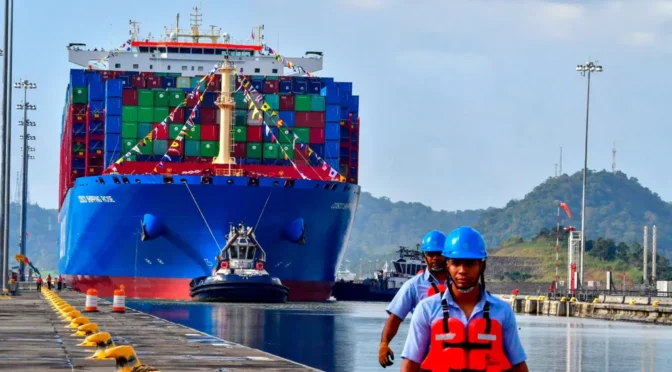
No, China does not operate the Panama Canal. The canal is managed solely by the Panama Canal Authority (ACP), a Panamanian government agency, since its transfer from U.S. control on December 31, 1999.

However, Chinese companies have a presence in the region. Notably, Hutchison Whampoa, a Hong Kong-based firm, operates ports at both the Atlantic and Pacific ends of the canal.

Despite this, the operation and administration of the canal remain under Panamanian authority.

Recent statements by U.S. President Donald Trump suggesting that China controls the canal have been met with firm denials from both Panama and China. Panama’s President JosĂ© RaĂşl Mulino emphasized that the canal is part of the country’s “inalienable patrimony” and will continue to be managed responsibly by Panama.

China has also stated that it does not interfere in Panama’s management of the canal.

Panama and China Respond to U.S. Claims on Canal Control
 
FaviconReuters
Yesterday
 
FaviconReuters
Today

Finalizing a cease-fire agreement

As of January 14, 2025, Israel and Hamas are finalizing a cease-fire agreement to halt the ongoing conflict in Gaza and facilitate the release of hostages and prisoners. The key components of the proposed deal include:

  • Cease-Fire Duration: An initial pause in fighting is planned, with the first phase lasting 42 days. Israeli Defense Forces (IDF) will maintain a presence in the Philadelphi Corridor, along with a buffer zone. The second phase aims to establish a permanent end to the conflict.
  • Hostage and Prisoner Exchange: Hamas has agreed to release an initial group of 33 hostages, including women, children, and the elderly, in exchange for hundreds of Palestinian women and children prisoners held in Israel. The release process will prioritize those in poor health.
  • Humanitarian Aid: The agreement includes provisions to significantly increase humanitarian aid to Palestinians in Gaza during the cease-fire.
  • Phased Implementation: The deal is structured in multiple phases, with the initial phase focusing on the immediate cessation of hostilities and the exchange of specific groups of hostages and prisoners. Subsequent phases will address the release of remaining hostages and further prisoner exchanges, leading to a complete Israeli withdrawal from Gaza.
  • International Mediation: Negotiations have been mediated by Qatar, with involvement from the United States and Egypt, aiming to ensure compliance and support from all parties involved.

The agreement is pending approval from Israel’s security cabinet and full government. Israeli Prime Minister Benjamin Netanyahu has been preparing to advocate for the deal’s acceptance. The situation holds significant political and humanitarian implications, involving a complex network of regional and international actors.

Recent Developments in Israel-Hamas Cease-Fire Negotiations
 
FaviconWSJ
Today
Israel, Hamas Are Finalizing a Gaza Cease-Fire Agreement
 
FaviconNew York Post
Today
Hamas accepts draft agreement for Gaza cease-fire and release of hostages, officials say
 
FaviconThe Scottish Sun
Today
Israel is 'on the brink' of signing ceasefire deal with terrorists Hamas, says Biden - & captives could be freed in DAYS
 

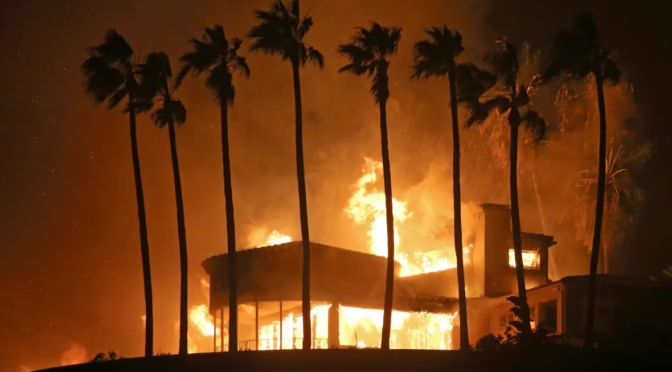
Why are trees still standing next to burned-out buildings in Los Angeles?

Palm trees in California are surprisingly resilient to fire, but they are not completely immune. Several factors explain why they don’t always burn in wildfires, despite their proximity to fire-prone environments:


1. Height and Structure

  • Palm trees have tall trunks with most of their foliage (fronds) at the top, away from ground-level flames. In many cases, wildfires burn along the ground and do not reach the tree canopy.
  • The smooth and fibrous bark of some palm species can also limit the fire’s ability to climb up the trunk easily.

2. Moisture Content

  • Healthy palm trees contain a high level of moisture in their trunks and leaves, which makes them less flammable compared to drier trees or shrubs.
  • Their large, thick trunks act as a reservoir, retaining water and making them more fire-resistant.

3. Fire-Resistant Species

  • Many ornamental palm species planted in California are not native and are chosen for their drought tolerance and fire resistance. For example, Canary Island Date Palms and Mexican Fan Palms are commonly seen in urban areas and are more fire-resistant than some native vegetation.

4. Fire Behavior

  • Palm trees are often found in urban or landscaped areas where brush and grasses (primary fuel for wildfires) are regularly cleared. As a result, the fire may not have enough fuel to sustain itself around the palms.
  • However, if palm trees have dry, dead fronds hanging down, these can act as “fire ladders,” allowing flames to reach the canopy and ignite the tree.

5. Maintenance

  • In urban settings, palm trees are frequently pruned to remove dead fronds, which would otherwise act as kindling. Regular maintenance reduces the risk of them catching fire.

When Do Palm Trees Burn?

While they are more resistant than other trees, palm trees can still burn under certain conditions:

  • Dead Fronds: Unmaintained palms with dead or dry fronds are highly flammable and can ignite during a wildfire or from embers.
  • Prolonged Exposure: Prolonged contact with high-intensity flames can overwhelm even the most resilient trees.
  • Drought Stress: A stressed or dying palm with low moisture content is more likely to burn.

In short, palm trees are more fire-resistant than other vegetation due to their height, moisture content, and sometimes human maintenance, but they are not entirely fireproof.