Category Archives: business

Interprovincial Trade

Unlocking the Full Potential of Interprovincial Trade in Canada

Canada is a nation rich in resources, innovation, and economic potential. However, one of the biggest barriers to economic growth remains interprovincial trade restrictions. Despite being a single country, trade between provinces is often more complicated than trading internationally, due to varying regulations, licensing requirements, and trade barriers that hinder the free movement of goods and services.

The Challenge of Interprovincial Trade Barriers Interprovincial trade in Canada is governed by a patchwork of rules and regulations, making it difficult for businesses to operate seamlessly across provincial borders. This results in inefficiencies, increased costs, and lost opportunities for growth. According to studies, reducing these trade barriers could boost Canada’s GDP by billions of dollars annually.

Key Issues Affecting Trade Between Provinces

  1. Regulatory Differences – Each province has its own set of regulations regarding product standards, transportation rules, and professional certifications, creating roadblocks for businesses.
  2. Supply Chain Inefficiencies – Different licensing requirements and restrictions on goods movement disrupt supply chains and increase costs for businesses and consumers.
  3. Public Procurement Policies – Many provinces favor local businesses in government contracts, limiting opportunities for businesses from other regions.

Steps Toward a More Integrated Economy To address these challenges, Canada must take proactive steps to enhance interprovincial trade:

  • Harmonization of Regulations: Provinces should work towards aligning their standards and regulatory frameworks to create a seamless business environment.
  • Modernization of Licensing and Certification: Recognizing professional certifications across provinces would improve labor mobility and address skills shortages.
  • Expanding the Canadian Free Trade Agreement (CFTA): While the CFTA was a step in the right direction, more work is needed to remove remaining trade barriers and enforce compliance.

The Economic Benefits of Free Trade Within Canada Eliminating interprovincial trade barriers would lead to increased competition, lower consumer prices, greater efficiency, and a more robust national economy. Businesses would be able to expand more easily, and Canadian consumers would benefit from greater choice and lower costs.

As Canada looks to strengthen its economy, interprovincial trade reform should be a top priority. By fostering a truly open internal market, we can unlock new economic opportunities and create a more prosperous future for all Canadians.

Hand lettering expression Shop Local drawn with capital unique letters. Eco friendly slogan calling to buy goods and products from locally based retailers and manufacturers. Text supporting areal maker

American products In Canada

Food For Thought During A Commerce War

Many American products are widely available in Canada across various categories. Here’s an overview of some popular American brands and retailers that have a significant presence in Canada:

Clothing and Apparel:

  • Nike: Renowned for athletic footwear and apparel.
  • Under Armour: Offers performance apparel and accessories.
  • Levi’s: Famous for denim jeans and casual wear.
  • Gap: Provides a range of casual clothing for all ages.
  • American Eagle Outfitters: Known for trendy casual wear targeting younger demographics.

Retail Franchises:

  • Walmart: A major retail chain offering a wide array of products, from groceries to electronics.
  • Costco: A membership-based warehouse club known for bulk purchasing and discounted prices.
  • Home Depot: Specializes in home improvement supplies and services.
  • Best Buy: Electronics retailer offering a vast selection of gadgets and appliances.
  • 7-Eleven: Convenience store chain providing ready-to-eat foods, beverages, and everyday essentials.

Food and Beverages:

  • Heinz: Offers a variety of condiments, including ketchup, mustard, and baked beans.
  • Frito-Lay: Produces popular snack brands like Lay’s, Doritos, and Cheetos.
  • PepsiCo: Provides beverages such as Pepsi, Mountain Dew, and Gatorade.
  • Kellogg’s: Known for breakfast cereals like Corn Flakes and Rice Krispies.
  • Campbell’s: Offers a range of soups and canned meals.

Technology and Electronics:

  • Apple: Provides products like iPhones, iPads, and Mac computers.
  • Microsoft: Offers software products, including the Windows operating system and Office suite, as well as hardware like the Xbox gaming console.
  • Dell: Known for personal computers and related accessories.
  • HP (Hewlett-Packard): Offers printers, laptops, and other computing devices.
  • Amazon: An online retail giant providing a vast array of products, including electronics, books, and household items.

Automotive:

  • Ford: Manufactures a range of vehicles, from cars to trucks.
  • Chevrolet: Offers a variety of automobiles, including sedans, SUVs, and trucks.
  • Tesla: Known for electric vehicles and energy products.
  • Jeep: Specializes in SUVs and off-road vehicles.
  • Dodge: Produces cars, minivans, and SUVs.

Household and Personal Care:

  • Procter & Gamble: Offers a wide range of products, including Tide laundry detergent, Pampers diapers, and Gillette razors.
  • Colgate-Palmolive: Known for oral care products like Colgate toothpaste and personal care items such as Palmolive soap.
  • Johnson & Johnson: Provides health and wellness products, including Band-Aid bandages and baby care items.
  • Kimberly-Clark: Offers personal care products like Kleenex tissues and Huggies diapers.
  • SC Johnson: Known for household cleaning products like Windex and Pledge.

It’s important to note that the availability of specific products may vary by region and retailer within Canada. Additionally, recent trade developments, such as tariffs and trade disputes, can impact the distribution and pricing of certain American goods in Canada. For instance, in response to U.S. tariffs, Canada has imposed retaliatory tariffs on various American products, which may affect their availability or cost.

For the most current information on product availability and potential trade impacts, it’s advisable to consult local retailers or official brand websites.

The impact of retaliatory tariffs

The impact of retaliatory tariffs, like the 25% tariffs Canada might impose on U.S. goods, can be far-reaching, affecting various aspects of the economy on both sides of the border. Here’s a breakdown of the key effects:

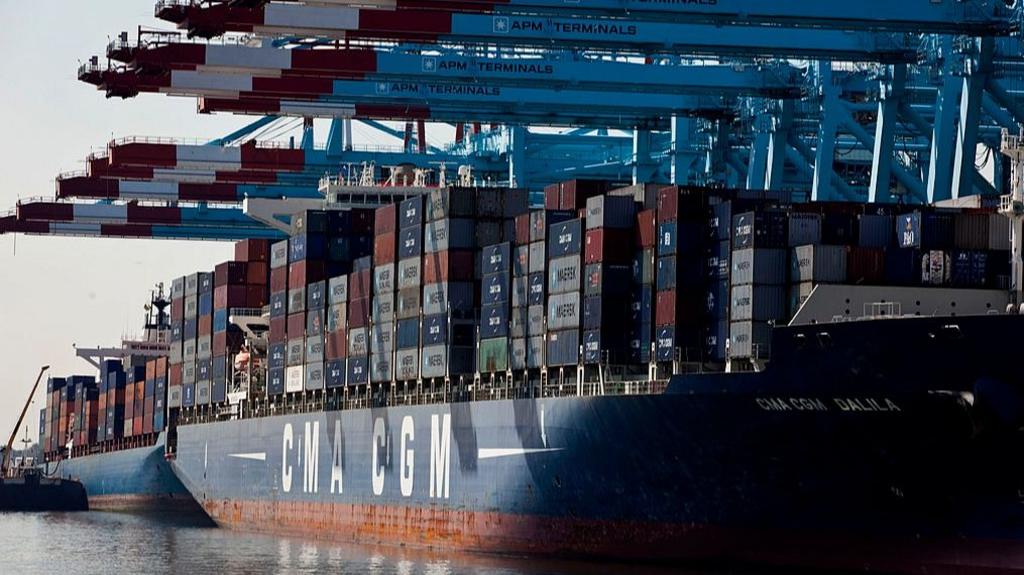
A shipping vessel is seen in New Jersey

1. Price Increases for Consumers:

  • Higher Costs: When tariffs are placed on imports, the price of those goods tends to rise. If Canada imposes tariffs on U.S. products, Canadians could see higher prices on items like American-made cars, agricultural products, and machinery. In turn, Americans could face higher costs for Canadian products like timber, steel, and aluminum.
  • Inflation: These price increases can contribute to inflation, especially if the tariffs target widely used goods or materials. The overall cost of living could go up, particularly for households dependent on goods that are imported.

2. Disruptions in Supply Chains:

  • Manufacturing Delays and Costs: Many industries depend on cross-border trade for parts and raw materials. For example, if Canadian companies rely on U.S. steel or agricultural goods, higher tariffs could disrupt their supply chains, forcing companies to find more expensive alternatives or pass on the costs to consumers.
  • Potential for Reduced Exports: In retaliating, Canada might target goods that are key U.S. exports, such as agricultural products or automotive parts. This could hurt U.S. producers who depend on the Canadian market.

3. Trade Diversion:

  • Shifting Trade Partners: Companies might seek alternatives to U.S. suppliers, shifting their focus to other countries that don’t have tariffs. For example, Canadian businesses could source goods from Europe or Asia instead of the U.S. This could lead to long-term changes in trade patterns and relationships.
  • New Trade Deals: On both sides, there may be a push to negotiate new trade deals or find new partners outside of the U.S.-Canada trade relationship, potentially opening up more competition or new opportunities.

4. Economic Growth and Job Losses:

  • Job Impact: Tariffs can hurt industries that rely on exports. U.S. manufacturers or Canadian farmers could lose business as a result of higher prices or reduced demand. In some cases, companies might move operations to other countries to avoid tariffs, potentially leading to job losses.
  • Reduced Economic Activity: The overall trade slowdown can affect broader economic growth. If consumers and businesses face higher costs or reduced access to certain goods, this could stifle economic expansion on both sides of the border.

5. Political and Diplomatic Strains:

  • Relations Between Countries: Trade wars often spill over into political tensions. Retaliatory tariffs might sour U.S.-Canada relations, making it harder to negotiate other areas of cooperation (such as defense, environmental issues, or immigration).
  • Global Market Impact: Canada and the U.S. are both major players in the global economy, so any disruption in trade could ripple through international markets. If other countries sense volatility, they might adjust their own trade strategies or impose their own tariffs.

6. Industry-Specific Impacts:

  • Automotive Industry: Since both Canada and the U.S. have integrated automotive supply chains, tariffs could make cars and car parts more expensive for consumers. Canadian auto manufacturers that export to the U.S. could see their products become less competitive in the U.S. market.
  • Agriculture: Farmers in both countries might bear the brunt of retaliatory tariffs. For instance, Canada could impose tariffs on U.S. dairy or meat products, which might hit U.S. farmers, while Canadian farmers who rely on U.S. exports could face similar disruptions.
  • Steel and Aluminum: Canada and the U.S. are both major producers of steel and aluminum. Tariffs in this area can hit industries like construction, manufacturing, and aerospace, which rely on these materials.

7. Market Sentiment:

  • Investor Confidence: Ongoing trade conflicts can make markets more volatile. Uncertainty around tariffs and their potential impact on economic growth might make investors more cautious, leading to stock market fluctuations.
  • Consumer Confidence: If people expect their costs to rise due to tariffs, they might cut back on spending, which could affect retail and service industries.

In summary, while retaliatory tariffs can serve as a form of protest or leverage in negotiations, the broader consequences often include higher prices for consumers, disruptions in trade and manufacturing, potential job losses, and economic uncertainty. The immediate effect is usually negative for both countries involved, though the full impact depends on the scope and duration of the tariffs.

Mexican President Claudia Sheinbaum’s response

The Mexican President Claudia Sheinbaum’s response to the US tariffs was delivered in robust language.

Writing on X, she described the White House’s statement as “slander” against the Mexican government, after the Trump administration had accused it of having an “intolerable alliance” with Mexican drug trafficking organisations.

“If such an alliance exists”, President Sheinbaum wrote, “it is in the United States gun-manufacturers that sell high-powered weapons to these criminal groups” – part of a dispute Mexico has had with Washington for some years now, calling on the US to do more to clampdown on the illegal flow of guns south to arm the cartels.

Mexico didn’t want confrontation, said President Sheinbaum, and she has proposed the creation of a joint working group between their respective public health and security teams.

However, her key point came at the end of her statement: she had instructed the Economy Secretary, Marcelo Ebrard, to implement what she called “Plan B”, adding that it included “tariff and non-tariff measures in defence of Mexico’s interests”.

The measures are expected to include retaliatory tariffs of 25% on US goods, which President Sheinbaum has repeatedly said would be a central part of her government’s response.