All posts by b nice


On this day September 23
September 23
-
1965 The Indo-Pakistani War comes to an end after a UN-mandated ceasefire
Also known as the Second Kashmiri War, the war was fought between India and Pakistan over the disputed territory of Kashmir.
-
1952 Nixon Makes his Checkers Speech
The televised speech was made by then-Vice Presidential candidate Richard Nixon as a response to accusations of corruption and use of campaign funds for private expenses. The speech received its name due to the mention of Checkers, a dog he had received as a gift for his children. In the speech, he emphasized that he intended to keep Checkers.
-
1932 The Kingdom of Saudi Arabia is Founded
The Middle Eastern country was created by merging the kingdoms of Hejaz and Nejd by Ibn Saud, the king of the House of Saud. The day is celebrated as Saudi National Day in the Kingdom.
-
1909 Phantom of the Opera makes its Literary Debut
The novel about a disfigured musical genius was written by French writer Gaston Leroux. It was first published as a series in the French newspaper, Le Gaulois. The novel was later adapted as a popular musical and as a film.
-
1889 Nintendo is Founded
The Japanese gaming company was created by entrepreneur Fusajiro Yamauchi as a card company called Nintendo Koppai, which was based in Kyoto. The company originally produced and sold playing cards called Hanafuda. The release of Donkey Kong, an arcade game in 1981, brought Nintendo to the forefront of electronic and video games industry.

Kelsey Grammer on why Frasier Crane has endured
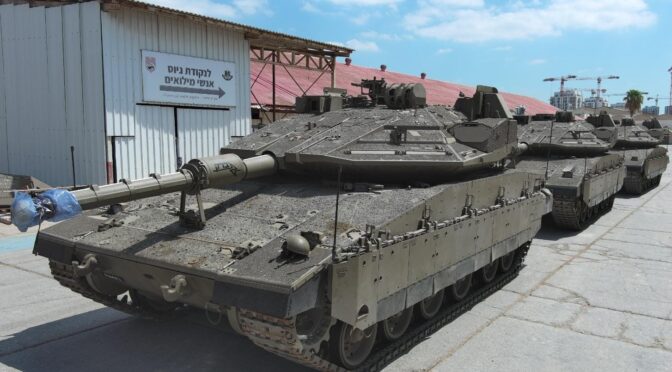
The Ongoing Conflict: Understanding the Events Post-October 7
The recent resurgence of conflict in the Middle East has once again drawn global attention to the intricate web of relationships and hostilities in the region. The events that unfolded on October 7, 2023, marking a significant escalation of violence, have reignited discussions on the role of Hamas, Hezbollah, and Iran in the ongoing Israeli-Palestinian conflict.
On that fateful day, Hamas launched a series of coordinated attacks against Israel, which they described as a response to years of occupation and suffering. These acts of violence have been widely condemned as terrorism by many nations and organizations. The shockwaves of this assault have not only affected Israel but also reignited fears of a broader regional conflict.
Hezbollah, the militant group based in Lebanon and backed by Iran, has also become a focal point in this latest chapter of violence. As tensions rise, many speculate whether Hezbollah will involve itself more directly, potentially opening a second front against Israel. The group’s history of conflict with Israel adds another layer of complexity to an already volatile situation.
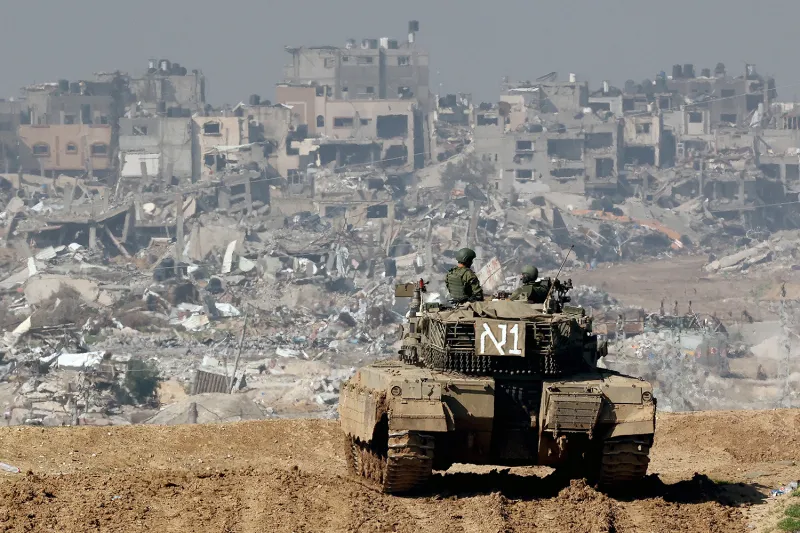
Iran’s influence in the region cannot be overlooked. As a supporter of both Hamas and Hezbollah, Iran plays a significant role in shaping the dynamics of the conflict. Its backing of these groups is part of a broader strategy to extend its influence and counter Israeli actions. The international community is closely watching Iran’s responses and potential interventions, as a misstep could further destabilize the region.
The consequences of these events extend beyond immediate military engagements; they also impact the lives of countless civilians. The humanitarian crisis in Gaza has reached critical levels, with countless families caught in the crossfire. International dialogue and efforts for peace are urgently needed to address not only the symptoms of this conflict but also the underlying issues that perpetuate it.
As the world continues to grapple with the implications of the events of October 7, it is crucial to strive for a comprehensive understanding of the various players involved and their motivations. The path to peace is fraught with challenges, but engagement, dialogue, and a commitment to understanding the complexities of these relationships are essential for breaking the cycle of violence.
As we mark one year since the resurgence of violence, it is crucial to remember the human toll of this conflict. The path forward requires not only addressing security concerns but also fostering dialogue and reconciliation among all parties involved. Lasting peace will only emerge when there is a commitment to understanding, empathy, and addressing the root causes of the conflict.