How something like this can happen

here’s a simple, clear breakdown of how something like this can happen, because it sounds shocking but usually comes down to a chain of small failures rather than one big mistake.


🧭 1. How runways normally work

At busy airports like LaGuardia Airport:

  • Air traffic control (ATC) gives strict instructions to everyone:
    • Planes (pilots)
    • Ground vehicles (like fire trucks)
  • Only one thing should be on a runway at a time during landing or takeoff.

👉 So in theory, a collision like this should never happen.


⚠️ 2. What likely went wrong

Early reports suggest a miscommunication or coordination breakdown. That can happen in a few ways:

🗣️ A. Miscommunication

  • ATC might have:
    • Cleared the plane to land
    • Also cleared the fire truck to cross the runway
  • This can happen if instructions are misunderstood, stepped on (radio overlap), or given too quickly.

👀 B. Visibility issues

  • Nighttime, weather, or runway lighting can make it harder to see:
    • Pilots may not spot a vehicle until it’s too late
    • Drivers may misjudge how close a plane is

⏱️ C. Timing errors

  • Even a few seconds off matters:
    • A truck might think it has time to cross
    • A plane is already seconds from touchdown and can’t stop mid-air

🚨 D. Emergency pressure

  • The fire truck was reportedly responding to another situation
  • In emergencies:
    • People move faster
    • Risk tolerance increases slightly
    • Mistakes become more likely

✈️ 3. Why the plane couldn’t avoid it

When a plane is landing:

  • It’s moving 200–250 km/h (120–155 mph)
  • It’s already committed to the runway
  • Pilots have very little time to react

👉 Even if they see something, it can be too late to:

  • Pull up safely (especially very low)
  • Stop before impact

🧠 4. Safety systems (and why they didn’t stop it)

Airports have protections like:

  • Ground radar
  • Warning systems for runway conflicts
  • Strict procedures

But:

  • These systems aren’t perfect
  • They still rely heavily on human coordination

🧩 5. The big picture

Incidents like this usually aren’t one mistake — they’re a chain:

  • Small miscommunication
  • Slight timing issue
  • Limited visibility
  • High-pressure situation

👉 When those line up, a rare accident can happen.


This Week in New Brunswick History

Here’s “This Week in New Brunswick History” for the current week (around March 22–28):


📜 March 22

  • 1827Alexander “Boss” Gibson was born. He became a major lumber and railway industrialist and helped develop Marysville into a model mill town.

📜 March 23

  • 1867 – The British North America Act received Royal Assent, paving the way for New Brunswick to join Confederation later that year.

📜 March 24

  • 1905Louis Robichaud, future premier and architect of major social reforms (Equal Opportunity program), was born in Sainte-Anne-de-Kent.

📜 March 25

  • 1842 – The Webster–Ashburton Treaty boundaries (affecting New Brunswick and Maine) continued to shape settlement and governance after earlier disputes like the Aroostook conflict.

📜 March 26

  • 1875 – The Common Schools Act tensions were still influencing politics and religion in the province during this period, especially among Catholic communities.

📜 March 27

  • 1912 – New Brunswickers followed closely as the Sinking of the RMS Titanic inquiries and news spread (many Atlantic Canadians had connections to passengers and crew).

📜 March 28

  • 1968 – Expansion of francophone education and institutions accelerated during the era of Premier Louis Robichaud, shaping modern bilingual New Brunswick.

Middle East Conflict Quiz

🌍 Middle East Conflict Quiz

Multiple Choice

1. The recent major escalation in conflict began after which event in October 2023?
A. A peace agreement
B. A large-scale attack by Hamas on Israel
C. A UN summit
D. A natural disaster


2. Which group controls the Gaza Strip?
A. Hezbollah
B. Hamas
C. ISIS
D. Taliban


3. Which country is in conflict with Hamas?
A. Egypt
B. Israel
C. Jordan
D. Turkey


4. Hezbollah is primarily based in which country?
A. Syria
B. Iraq
C. Lebanon
D. Iran


5. Which global organization often calls for ceasefires and humanitarian aid?
A. NATO
B. United Nations
C. FIFA
D. OPEC


True or False

6. The conflict only affects military targets and not civilians.
True / False


7. Humanitarian aid includes food, water, and medical supplies.
True / False


8. Multiple countries and groups are involved directly or indirectly in the conflict.
True / False


Short Answer

9. What is a “ceasefire”?
(Write a brief definition)


10. Name one country in the Middle East that is not directly involved in the conflict but is affected by it.


Bonus Question

11. Why is the Middle East considered important globally?
(Think about geography, resources, and history)


✅ Answer Key

  1. B

  2. B

  3. B

  4. C

  5. B

  6. False

  7. True

  8. True

  9. A temporary stop in fighting

  10. Answers may vary (e.g., Jordan, Saudi Arabia, Egypt)

  11. Answers may include oil resources, location between continents, and historical/religious significance

Trumps Mess

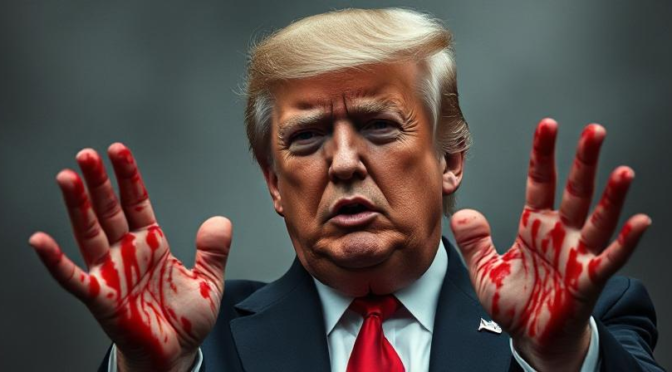
What we are watching unfold right now is deeply concerning.

A conflict with Iran was initiated under Donald Trump, and now—after escalation—there’s growing pressure on the rest of the world to step in and help manage the fallout.

But here’s the reality: many countries are refusing.

Allies across Europe and beyond have declined to join military operations or send support, with leaders clearly worried about being pulled into a wider war with no clear end.

Some nations weren’t even consulted before the conflict began, and now they’re being asked to participate after the fact.

At the same time, voices inside the U.S. itself are raising concerns. Senior officials have even resigned, questioning whether this war was justified or necessary.

This isn’t about refusing to help—it’s about refusing to be dragged into a situation that many believe was avoidable.

The world is not lining up to fight a war driven by one leader’s decisions—especially after years of strained relationships and public insults toward those same allies.

And perhaps the most important question of all:
Where was the voice of the American people before this began?

War affects everyone. It shouldn’t be something the world is expected to clean up after the fact.