Monthly Archives: September 2024


The Joe Biden Legacy
In a controversial move that has sparked intense debate, President Biden appears to be trying to salvage his legacy by pressuring Israel to stop defending itself against terrorist threats. As tensions rise in the region, Biden’s administration is pushing for a ceasefire, urging Israel to hold back in the face of attacks from groups like Hamas. This stance has many questioning the president’s priorities, especially given the long-standing alliance between the U.S. and Israel.
Critics argue that by calling for restraint, Biden is undermining Israel’s right to defend its citizens from terrorism, which could embolden extremist groups. For a president whose foreign policy has already faced significant challenges, from Afghanistan to Ukraine, this could be seen as an attempt to reshape his legacy in the final stretch of his presidency. However, the move may backfire as it risks alienating key allies and sending mixed signals about America’s commitment to fighting terrorism.
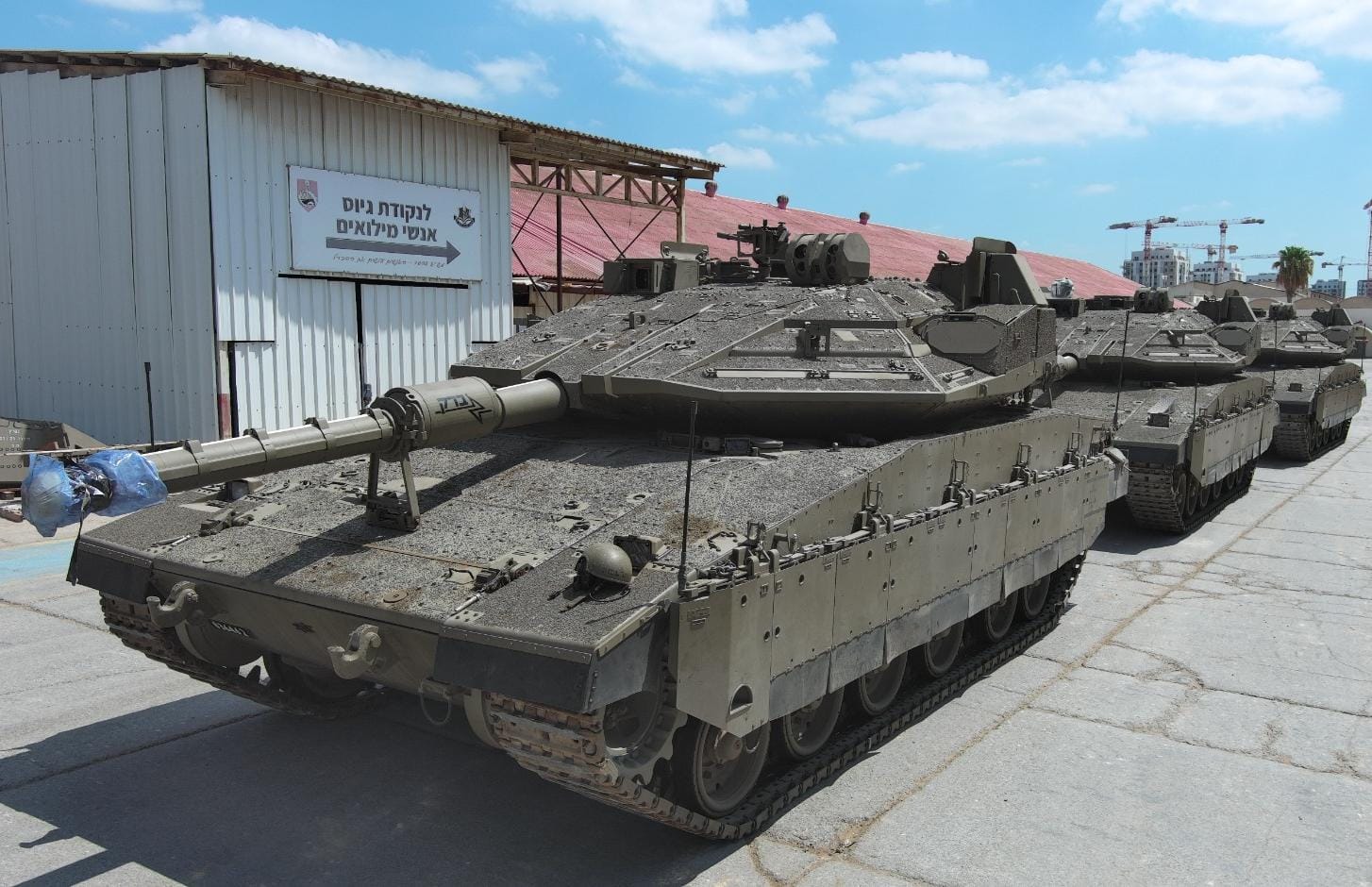
While Biden’s supporters see his actions as a push for peace and stability in the region, many wonder if it’s too little, too late. Will this gamble pay off, or will it leave a lasting mark on his presidency for the wrong reasons?
Israel’s response to President Biden’s calls for restraint in its conflict with terrorist groups like Hamas has been firm and resolute. Israeli leaders, including Prime Minister Benjamin Netanyahu, have made it clear that they will not cease operations aimed at defending their citizens from ongoing attacks. Netanyahu has reiterated that Israel has the right and duty to protect its people from terrorism, regardless of external pressure.
Israel views groups like Hamas as existential threats, and any international calls to scale back military actions are seen as undermining their national security. The Israeli government has been vocal in asserting that their operations are targeted at terrorist infrastructure and are necessary to prevent further rocket attacks, kidnappings, and other forms of violence against Israeli civilians.
While Israel values its relationship with the United States, officials have expressed frustration with what they see as undue pressure from the Biden administration. They argue that any ceasefire or halt in military action could allow terrorist groups to regroup and strengthen, which would only lead to more violence in the long run. Netanyahu, and other Israeli officials, have indicated that their primary focus is the safety and security of Israel, regardless of diplomatic fallout.

On this day September 7
Today in History
-
1978 Georgi Markov is murdered
The Bulgarian writer and dissenter had left Bulgaria in 1969 and was working at BBC in London during the time of his murder. His murder, which is popularly known as the Umbrella Murder took place while he was crossing the Waterloo Bridge in London. The assassin, nicknamed Piccadilly, used a modified umbrella to shot a pellet full of ricin in Markov’s leg. Markov died 4 days later, on September 11 of ricin poisoning.
-
1977 Treaty giving the Panama Canal to Panama is Signed
The Torrijos–Carter Treaties were two treaties signed between the heads of state of the US and Panama. The treaties gave control of the canal that connects the Atlantic Ocean to the Pacific Ocean to Panama. The canal was constructed by, and had been in the control of, the United States since 1904.
-
1940 Germans Begin the Blitz over London
The Germans began strategically bombing the United Kingdom and London on this day. For 57 days, the German Luftwaffe aerially bombed London, killing over 20,000 people and destroying over a million homes in the city. The strategy lasted until May 1941 but did not succeed in breaking British resolve. By 1941, German attention was diverted to the Soviet Union.
-
1936 The Tasmanian Tiger Becomes Extinct
The last surviving Tasmanian Tiger – a carnivorous marsupial, died in captivity at the Hobart Zoo, Tasmania, Australia. Called Benjamin, the thylacine, as the species was called, is believed to have died due to neglect. Thylacines were natives of Australia and New Guinea and went extinct due to over hunting and the introduction of invasive species like dingos.

Irving Family Quiz
Irving Family Quiz
1. Founding
- Who founded the Irving family business empire?
- a) James K. Irving
- b) Kenneth Colin Irving
- c) Arthur Irving
- d) John E. Irving
2. Industries
- Which of the following industries is NOT traditionally associated with the Irving family?
- a) Oil refining
- b) Shipbuilding
- c) Telecommunications
- d) Forestry
3. Geography
- In which Canadian province is the Irving family primarily based?
- a) Quebec
- b) Ontario
- c) New Brunswick
- d) Nova Scotia
4. J.D. Irving Limited
- J.D. Irving Limited is a major company in the family empire. What does “J.D.” stand for?
- a) John David
- b) James Donald
- c) Joseph Douglas
- d) John Daniel
5. Leadership
- Which member of the Irving family is currently known for leading Irving Oil?
- a) James K. Irving
- b) Arthur Irving
- c) Kenneth Irving
- d) John E. Irving
6. Philanthropy
- The Irving family is known for their philanthropic efforts. Which of these institutions has NOT been a major beneficiary of their donations?
- a) University of New Brunswick
- b) McGill University
- c) Mount Allison University
- d) Saint John Regional Hospital
7. Environment
- Which Irving family company is known for its significant role in sustainable forestry practices?
- a) Irving Oil
- b) Irving Shipbuilding
- c) J.D. Irving, Limited
- d) Cavendish Farms
8. Business Expansion
- In which year was Irving Oil founded?
- a) 1924
- b) 1935
- c) 1949
- d) 1960
9. Publications
- Which Irving family-owned company was historically involved in the media industry, particularly newspapers?
- a) Brunswick News
- b) Maritime Broadcasting
- c) Atlantic Publishing
- d) North Shore Press
10. Legacy
- Which of these statements about the Irving family is true?
- a) They have remained privately owned with no public stock offerings.
- b) They are known for having a significant presence in the United States.
- c) They started as a small logging company in British Columbia.
- d) They are primarily involved in the technology sector today.
Answers:
- b) Kenneth Colin Irving
- c) Telecommunications
- c) New Brunswick
- a) John David
- b) Arthur Irving
- b) McGill University
- c) J.D. Irving, Limited
- a) 1924
- a) Brunswick News
- a) They have remained privately owned with no public stock offerings.
How did you do?