This is a request to re-post the following post of July 9 2024
The Disturbing Trend of Modern Media: CNN’s Role in the Decline of Journalism
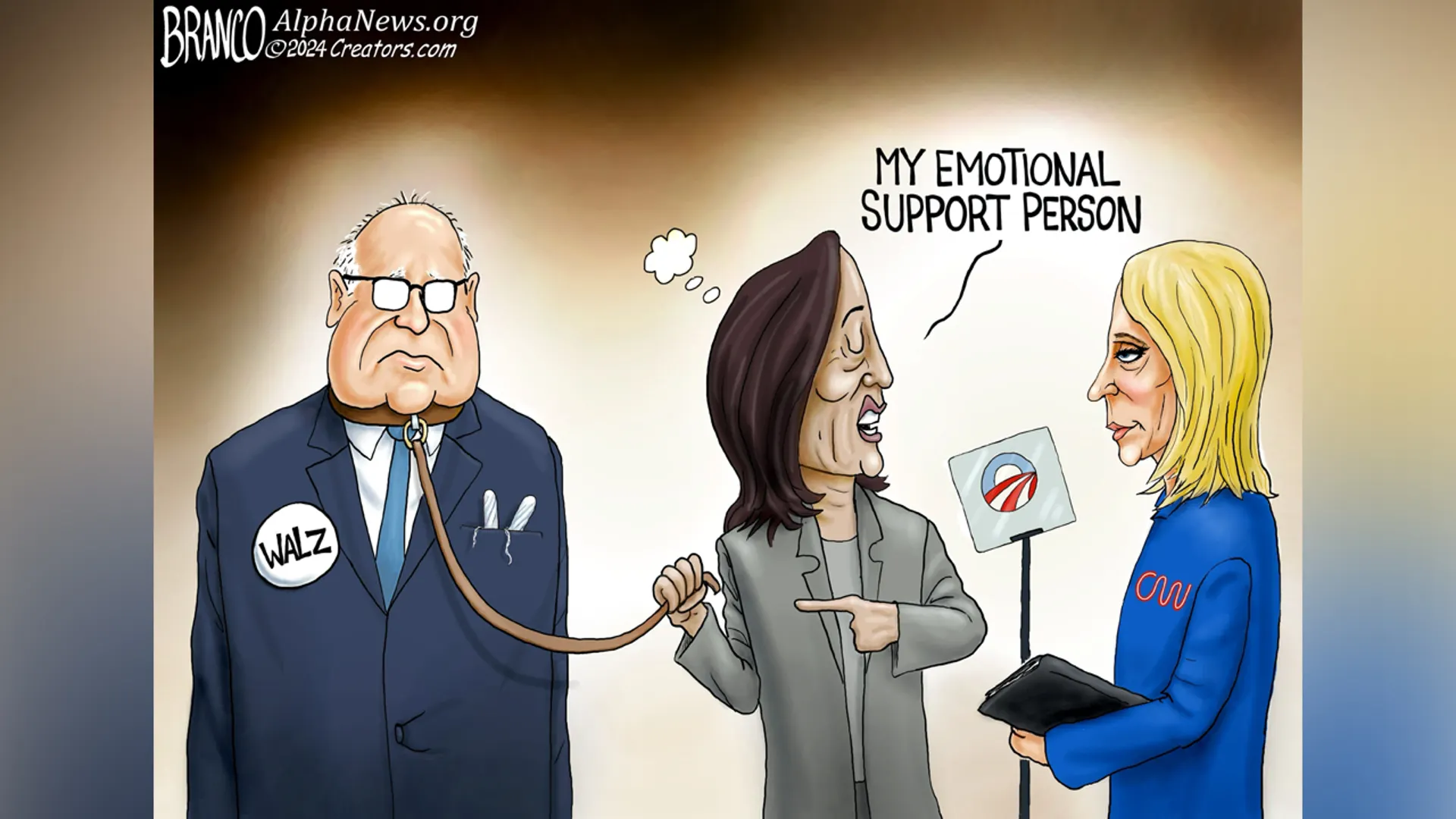
In the landscape of modern media, CNN stands as a prominent example of the troubling issues plaguing news organizations today. From allegations of lies and political bias to the impact of corporate influence and sensationalism, the network exemplifies the erosion of journalistic standards that threatens to undermine public trust in the media.
Lies and Misinformation
One of the most glaring issues with CNN is the persistent accusations of spreading lies and misinformation. In the fast-paced news cycle, the pressure to break stories quickly often leads to errors and unchecked facts. These mistakes, whether intentional or not, contribute to a growing public distrust. High-profile incidents, where CNN has had to retract or correct stories, only amplify concerns about the reliability of their reporting.
Political Bias and Agenda
CNN’s perceived political bias further exacerbates its credibility issues. Critics argue that the network often pushes a specific political agenda, favoring one side of the political spectrum over the other. This bias is not just a matter of opinion; studies have shown that the network’s coverage can be skewed, leading to an unbalanced portrayal of events and issues. Such partisanship erodes the fundamental journalistic principle of objectivity, leaving viewers questioning the authenticity of the information presented.
Corporate Influence
The influence of corporate interests on CNN’s content cannot be overlooked. As a major media corporation, CNN is beholden to its advertisers and parent company, leading to potential conflicts of interest. Corporate influence can subtly shape the news agenda, prioritizing stories that align with business interests while sidelining those that do not. This undermines the independence that is crucial for credible journalism.
Sensationalism
Sensationalism is another significant issue that plagues CNN’s reporting. The network often prioritizes dramatic, eye-catching stories over substantive reporting. This focus on sensationalism not only distorts the reality of the news but also contributes to a culture of fear and outrage. The emphasis on sensational stories can overshadow more critical, yet less flashy, news, leaving the public less informed about important issues.
Erosion of Journalistic Standards
All these factors contribute to the broader erosion of journalistic standards at CNN. The rush to publish, the influence of political and corporate agendas, and the lure of sensationalism have collectively diminished the network’s commitment to accuracy, fairness, and depth in reporting. The decline in these standards is not just a problem for CNN but a reflection of broader issues within the media industry as a whole.
In conclusion, CNN’s current trajectory raises serious concerns about the state of journalism today. The network’s struggles with misinformation, political bias, corporate influence, and sensationalism highlight a broader crisis in the media industry. As consumers of news, it is essential to remain vigilant, critically evaluate sources, and demand higher standards from our news organizations to ensure a well-informed public.