
Tag Archives: War

Iran Update — May 29, 2026

Iran Update — May 29, 2026

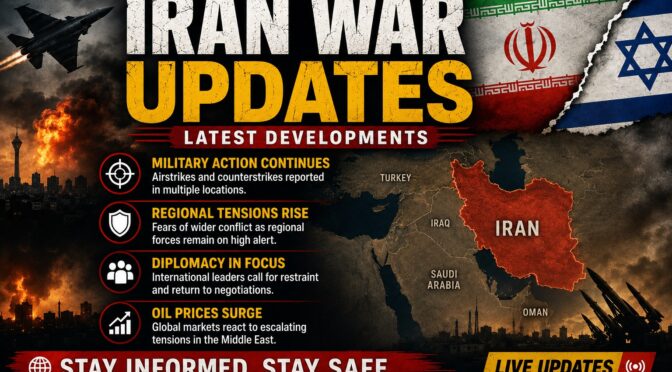
The biggest development is that diplomatic efforts appear to be gaining momentum after nearly three months of conflict involving Iran, the United States, and Israel. Reports indicate negotiators are discussing a possible 60-day framework agreement that could reopen the Strait of Hormuz and reduce military activity in the region, although no final deal has been signed yet.

Key Developments

  • U.S. and Iranian officials are reportedly working toward a temporary agreement aimed at restoring commercial shipping through the Strait of Hormuz and reducing tensions.

U.S. Vice President JD Vance said it is still uncertain whether President Trump will approve a final agreement.

The U.S. announced new sanctions targeting parts of Iran’s military-linked oil export network, showing that economic pressure continues despite ongoing negotiations.

Oil prices fell today as markets reacted positively to reports of possible progress toward a ceasefire and reopening of shipping routes.

Why the Strait of Hormuz Matters

The Strait of Hormuz is one of the world’s most important oil-shipping chokepoints. Any disruption affects global energy markets, shipping costs, and fuel prices worldwide. Reopening the route is a major focus of current negotiations.

What to Watch Next

  1. Whether the reported 60-day agreement is formally approved.
  2. Any changes to sanctions on Iran.
  3. The reopening of commercial shipping through the Strait of Hormuz.
  4. Reactions from regional countries and international markets.

Overall, the situation remains fragile, but the latest news suggests diplomacy is currently moving faster than military escalation.

Iran situation as of May 27, 2026:

Here’s the latest on the Iran situation as of May 27, 2026:

  • The fragile ceasefire between the U.S. and Iran is still holding in some areas, but both sides accuse each other of violations after new U.S. strikes and Iranian military responses over the past 48 hours.

Negotiations continue in Qatar and Oman, focused on:

  • reopening the Strait of Hormuz,
  • sanctions relief,
  • Iran’s nuclear program,
  • and ending regional military operations.

Reuters reports there is now a preliminary draft framework between Iran and the U.S. that could:

  • restore commercial shipping through Hormuz,
  • reduce U.S. military presence near Iran,
  • and possibly lead to a broader UN-backed agreement within 60 days if finalized.

However, tensions remain high:

  • Iran says recent U.S. bombings violated the ceasefire,
  • hardliners in Iran oppose concessions,
  • and Israeli military operations in Lebanon continue to complicate diplomacy.

One major sticking point is Iran’s enriched uranium stockpile. Reports suggest Tehran may consider transferring some uranium to China as part of a deal.

Why this matters globally

The biggest global concern remains the Strait of Hormuz, one of the world’s key oil shipping routes. Any escalation could affect:

  • oil prices,
  • inflation,
  • global stock markets,
  • and shipping/trade worldwide.

Current outlook

Right now, the situation appears to be:

  • less intense than earlier this spring,
  • but still unstable,
  • with diplomacy and military pressure happening at the same time.
Iran says draft deal with US would reopen Hormuz shipping, end naval blockade

Reuters

Today
US strikes Iran missile sites and mine laying vessels as Trump’s promised peace deal remains elusive

The Guardian

Today
US, Iran have launched multiple attacks during ceasefire: A timeline

Al Jazeera

Today
Iran accuses U.S. of "grave violation" of ceasefire as Trump seeks "good deal or no deal"

CBS News

Yesterday
 

Iran update for today (May 24, 2026)

Iran has not agreed to hand over highly enriched uranium stockpile, senior Iranian source tells Reuters

Reuters

Today
LIVE: Trump instructs negotiators ‘not to rush into a deal’ with Iran

Al Jazeera

Today
Trump claims peace deal with Iran 'largely negotiated' with strait of Hormuz to open

The Guardian

Today

Here’s a current Iran update for today (May 24, 2026):

• Negotiations aimed at ending the current conflict appear to be moving forward, but there is not yet a finalized agreement. U.S. officials say major progress has been made, while Iranian officials indicate important issues are still unresolved.

• One of the biggest sticking points remains Iran’s highly enriched uranium stockpile. Iranian sources say there is no agreement yet on handing it over or removing it from the country. • The situation around the Strait of Hormuz remains central because of its importance to world oil shipping. Reports indicate discussions involve reopening normal traffic routes, but restrictions and military pressure remain in place while negotiations continue. • Public statements from U.S. leadership today suggest negotiators have been told not to rush a deal, with officials saying any agreement must be fully completed and verified before restrictions are eased. • Analysts are also watching economic effects: shipping and energy markets remain sensitive because any change involving Iran or Hormuz can quickly affect fuel prices worldwide. The overall picture today: the immediate situation appears more focused on diplomacy than on escalation, but the key disputes — especially nuclear issues and regional security arrangements — are still unresolved.

Iran update for May 23, 2026:

Iran's top negotiator says Tehran will not compromise in talks with US

Reuters

Today
U.S. and Iran report progress on talks ending war, looking to next few days

Reuters

Today
Iran hosts Pakistani delegation amid diplomatic flurry to avert new US strikes

The Guardian

Today

Here’s a concise Iran update for May 23, 2026:

  • Diplomatic talks appear to be moving again. The U.S., Iran, and mediators including Pakistan are reporting some progress, although major disagreements remain.

Iranian officials continue saying they will not give up what they call national rights, especially around nuclear-related issues and strategic security concerns.

The biggest sticking points remain:

  • Iran’s enriched uranium program
  • Security guarantees
  • Shipping access through the Strait of Hormuz, a critical global oil route.

Pakistan and regional players such as Qatar are actively trying to reduce the risk of renewed military action and strengthen the current fragile ceasefire environment.

Markets and energy observers remain focused on Hormuz because disruptions there can affect oil prices and global shipping.

Overall: the situation today appears to be tense but still centered on negotiations rather than immediate large-scale escalation, though officials on multiple sides continue issuing warnings.