
Category Archives: Politics

Donald Trump’s Historic Comeback
Breaking: Donald Trump’s Historic Comeback Shakes Up U.S. Politics
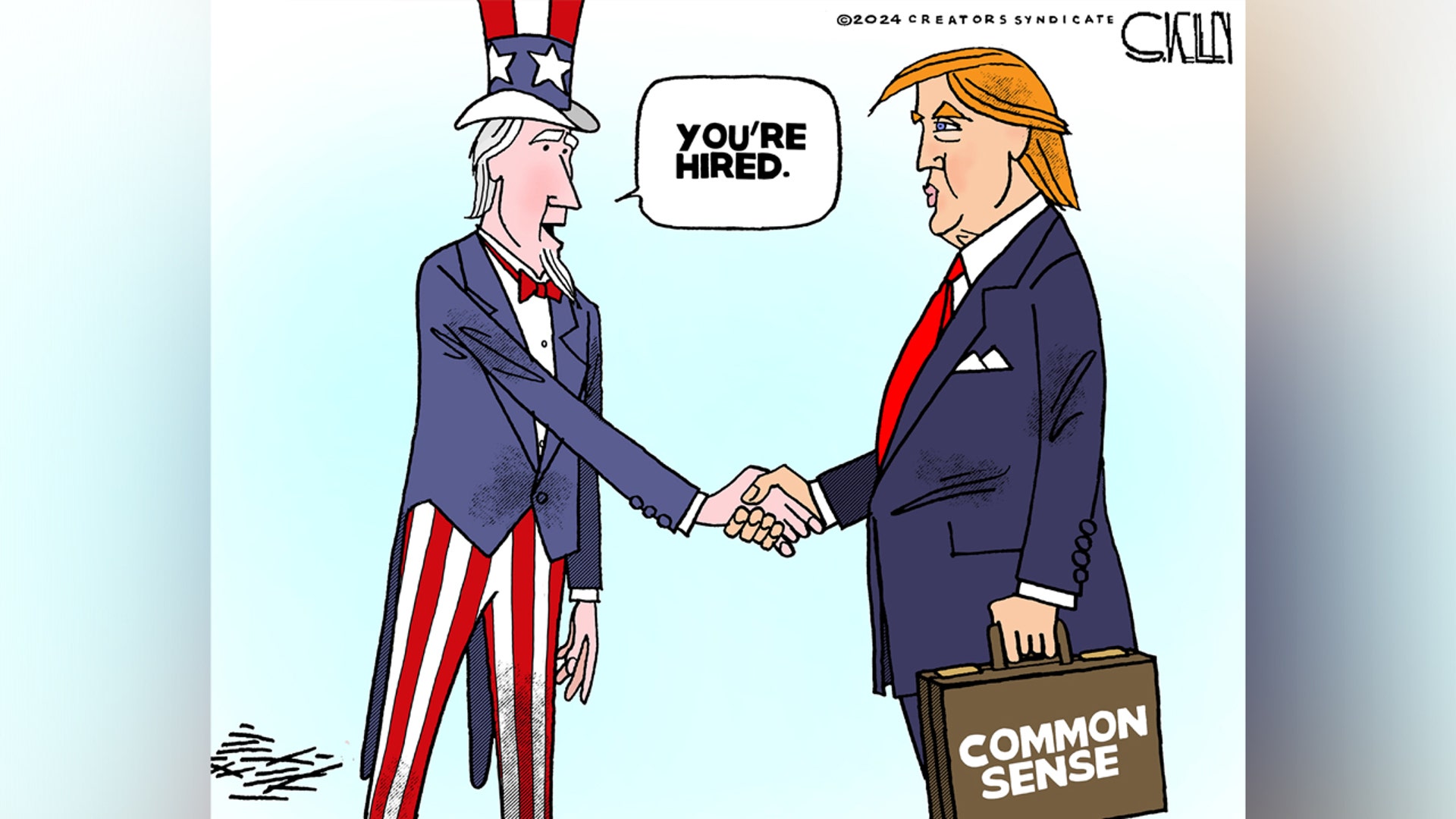
In a stunning return to the White House, Donald Trump has defeated Kamala Harris, securing both the popular vote and the Electoral College in a historic comeback few thought possible. Known for his fiery rhetoric, Trump wasted no time taking aim at Harris in his victory speech, calling her tenure “a disaster for America” and promising to “restore strength and prosperity.”
This comeback has electrified his base, marking the first time in recent history that a former president has returned to office after a defeat. With the popular vote and Electoral College both in his favor, Trump’s victory has not only reshaped political norms but also set a precedent that will be analyzed for years.
Supporters are celebrating across the nation, seeing Trump’s return as a vindication of his policies and vision. Trump’s comeback story is already being described as historic, underscoring the intense polarization and shifting dynamics of American politics. As he prepares to be sworn back into office, all eyes are on what’s next in this unprecedented chapter in U.S. history.
The Loosers


Rasmussen Head Pollster Predicts Trump Landslide
Former President Donald Trump is poised to secure a significant electoral victory, potentially “sweeping battleground states,” according to Rasmussen’s head pollster, who sees the current race favoring Trump in the national popular vote, suggesting a larger “political realignment” is underway, and foreseeing an outcome that could echo — or even exceed — Ronald Reagan’s historic landslide win over Jimmy Carter in 1980.
In a striking forecast days before the 2024 presidential election, Rasmussen’s head pollster, Mark Mitchell, is suggesting that Donald Trump will secure a strong lead nationally and dominate in key battleground states, positioning him for a sweeping victory. Mitchell even foresees a potential flip of Virginia and New Hampshire, adding that other states, like Minnesota or New Mexico, might follow suit.
“What you’re hearing out there is that the polls are close, and I think that’s wrong,” he told Breitbart News in an exclusive interview on Friday, adding, “I think the polls on average show a strong Trump win, and my polls taken independently show that as well.”
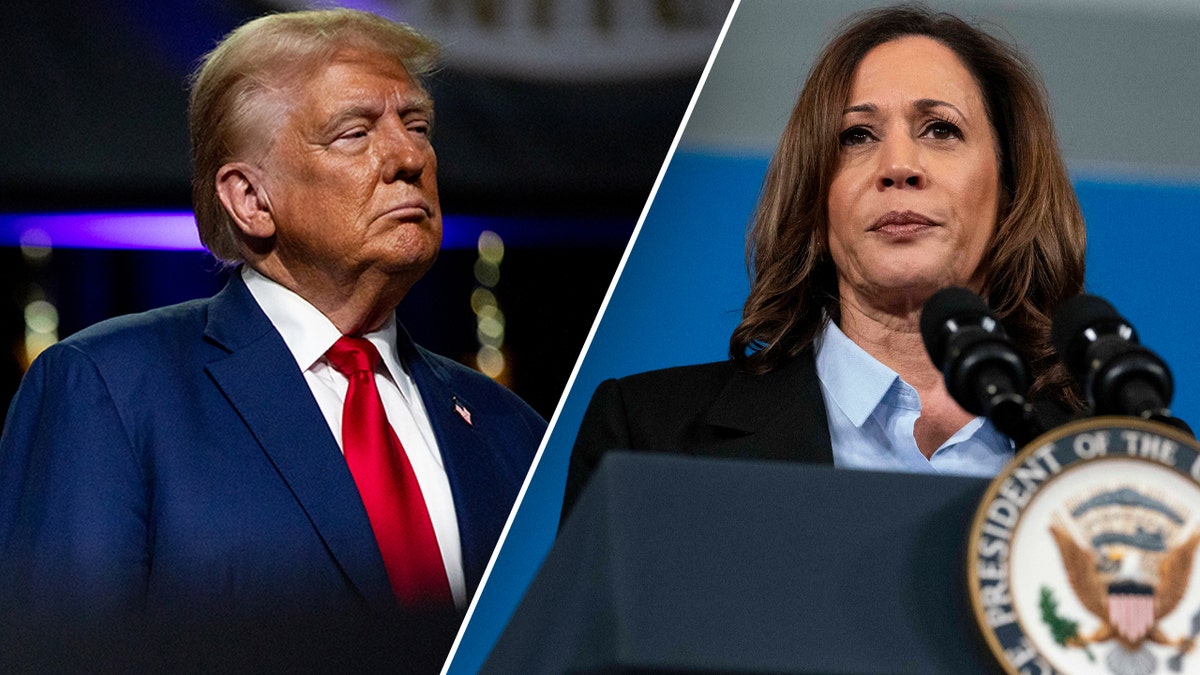
On the likelihood of a battleground sweep and national popular vote win for Trump, he pointed to a “major political realignment.”
“I think the pollsters are having a hard time keeping up with that, us included,” he said. “Party [affiliation] means a lot less than whether you support Trump or Harris.”
Pointing to Trump’s tendency to outperform polls, he added, “I really don’t think he’s going to buck that trend. So I think he’s going to surprise people in the swing states by being to the right of the polls.”
Reflecting on public dissatisfaction with the current administration, he noted, “People don’t care who Kamala Harris is.”
“They care that she’s part of the Biden administration, and the Biden administration has been deeply unpopular,” he said, contrasting the vice president with Trump, who is familiar to Americans and has “already been through all of the convictions and cases and surprises.”
Mitchell expressed his belief that this year’s race has been stable, with a consistent national lead for Trump.
“The truth is, the race hasn’t changed,” he said, describing the dynamic as “locked in at a Trump plus two national popular vote.”
Despite some polling shifts in Harris’s favor, the Rasmussen pollster argues that Trump’s performance has improved from 2020.
“You can argue [that] maybe it’s a point to the right or a point to the left, but what you can’t argue is it’s six or seven points better than Trump was doing against Biden [compared to this time in 2020],” he said, underscoring a distinct advantage for Trump this cycle.
Polling Dynamics
Mitchell noted that Trump appears stronger in swing states than in past cycles.
“He’s doing way better than he ever has in previous cycles,” he said, pointing out that if Trump outperforms his previous national vote margins and the battlegrounds track similarly, “that means Trump sweeps the swing states… a big win.”
He then drew a parallel between the current race and the 1980 Reagan-Carter election, comparing Trump’s support to Reagan’s widespread appeal and high favorability that led to a landslide victory.
“A lot of people have been talking about 1980,” he explained, noting how Reagan’s broad support culminated in a decisive win. “If you stripped [John] Anderson out of that race and gave most of his votes to Carter, then that could be what we’re looking at,” he observed.
Despite media reports showing Harris with sporadic leads, Mitchell believes some polls are misleadingly skewed toward Harris.
“I wrote in a post two or three weeks ago, ‘Is this what 1980 would look like if the pollsters back then had the internet?’” he remarked, suggesting that certain outlets have manipulated polling to bolster Harris.
“I think really, the plan was to shill for Harris and try and get her over the hump,” he added.
Rasmussen’s own polls, he explained, have shown “the race locked in at Trump plus two the entire time.”
Swing States and Early Voting Strategy
Mitchell highlighted Trump’s strength in swing states and addressed Republicans’ strategic push for early voting, which could offer Trump an advantage.
Among people planning to vote on Election Day, he said, “Trump is up between seven and twelve points,” signaling Trump’s support is still strong.
He suggested that early voting results in certain states — even outside of the battleground — could signal a Trump landslide victory as soon as the polls close.
“If the early returns are just so overwhelming that they can’t dig out of the hole,” he speculated, “the media [could be] calling it regardless of what the Secretaries of State say.”
Specific states like Virginia and New Hampshire, he stated, could indicate broader trends if they show early Trump wins.
“It’s possible we’ll see an early flip of Virginia and New Hampshire,” he said, adding that early Republican turnout in Virginia has been notably strong, with even traditionally Democratic areas seeing a Republican surge.
“I don’t think New Jersey is going to flip, but my point is that Trump is probably trailing by less than half of what he was nearly four years ago in New Jersey,” he added, noting that such a fact indicates that “some of these other places, like Minnesota or New Mexico could be flips too.”
Media Coverage, Harris’s Impact, and Voter Enthusiasm
Discussing Harris’s nomination over Biden, Mitchell suggested it may have little impact on Democratic voter motivation.
“Democrats are mostly voting out of fear,” he observed. “Their number one issues [are] ‘Trump’s a threat to democracy’ and abortion, and those are fear [messages].”
Despite a brief boost in Harris’s favorability after she was nominated, he suggested that any improvement was likely due to favorable press coverage.
“Quite frankly, Biden wasn’t getting [the coverage]. He should be mad. He should sue – the media threw him under the bus,” he noted, questioning whether Harris truly resonates with Democratic voters in swing states.
Mitchell emphasized that enthusiasm among Trump supporters remains high, although traditional polls may not fully capture it. He pointed out that online respondents can sometimes overestimate their likelihood to vote, which could distort enthusiasm levels.
“Trump’s people are going to turn out,” he stated confidently. He downplayed the possibility of Harris outperforming polls across battlegrounds, saying, “I really don’t see any logical or data-based counter to say, ‘Well, Kamala Harris is going to, across the board, outperform the polls nationally.’”
Reflecting on the broader trajectory of the election, he reiterated his view of an impending Trump victory with potential to sweep the battleground states.
“I think we’re [looking at] 1980 minus Anderson, as in, if you gave most of his votes to Carter,” he concluded. “I think it’s probably going to be Trump plus three nationally.”
The 1980 U.S. presidential election marked a historic landslide victory for Republican Ronald Reagan over incumbent Democratic President Jimmy Carter, despite polls indicating a tight race beforehand. Reagan’s triumph, with 489 electoral votes to Carter’s 49 and a nearly 10-point lead in the popular vote, became emblematic of a political realignment that shaped conservative momentum.
The election also marked the last time an incumbent Democratic president was unseated — a rare feat, as Reagan managed to win both the popular and electoral vote over Carter.

Is This the Beginning of the End for Biased Journalism?
Title: Washington Post Declines to Endorse a Presidential Candidate – Is This the Beginning of the End for Biased Journalism?
In an unprecedented move, The Washington Post has chosen not to endorse a presidential candidate in the upcoming election. This decision has sparked conversations across the political and media landscape, with some wondering if this signals a shift toward more impartial journalism.
For decades, endorsements from major newspapers were a staple of election cycles, often providing a lens into the publication’s leanings and perceived biases. Readers could reliably expect prominent papers to endorse candidates who aligned with their editorial boards’ views. While endorsements are often seen as a tradition, they also present a potential conflict between objective reporting and subjective political leanings, leading many to question the neutrality of these endorsements.
The Washington Post’s decision could reflect a growing realization among media organizations that the public now seeks unbiased, straight reporting rather than media outlets as political gatekeepers. In a time when distrust of “mainstream media” is high, this may also be a calculated response to the perception of media bias, aiming to rebuild credibility with an increasingly skeptical audience.
Could this be the beginning of a new era for journalism, one in which publications steer clear of political endorsements altogether? By abstaining from endorsements, The Washington Post may be setting a new precedent, challenging other news organizations to re-evaluate their role in influencing public opinion. Although a single decision won’t end media bias overnight, it may be a step toward restoring public trust by focusing on reporting facts rather than favoring candidates.
Is this the start of a more impartial press, or simply a response to the changing expectations of readers? Only time will tell.