Exploring the Relationship Between Climate Change and La Niña: Unraveling Nature’s Complex Dance
Climate change and its intricate dance with natural climate phenomena like La Niña have become increasingly evident in our world. La Niña, characterized by cooler-than-average sea surface temperatures in the central and eastern Pacific Ocean, influences weather patterns across the globe. Its effects are far-reaching, from altering rainfall patterns to influencing hurricane activity. But what role does climate change play in shaping the behavior of La Niña, and vice versa?
Firstly, it’s crucial to understand that La Niña and climate change are not one and the same; they are distinct phenomena. La Niña is a natural climate cycle that occurs every few years, whereas climate change refers to long-term shifts in global climate patterns primarily caused by human activities, such as burning fossil fuels and deforestation.
However, the relationship between the two is complex and intertwined. Climate change can influence the frequency and intensity of La Niña events, and conversely, La Niña can exacerbate the impacts of climate change.
One of the ways climate change affects La Niña is through ocean temperatures. Warmer oceans due to climate change can alter the conditions that give rise to La Niña, potentially making its occurrence more frequent or intense. Conversely, La Niña can influence atmospheric circulation patterns, which in turn can affect global climate systems and exacerbate certain aspects of climate change, such as droughts or heavy rainfall events.
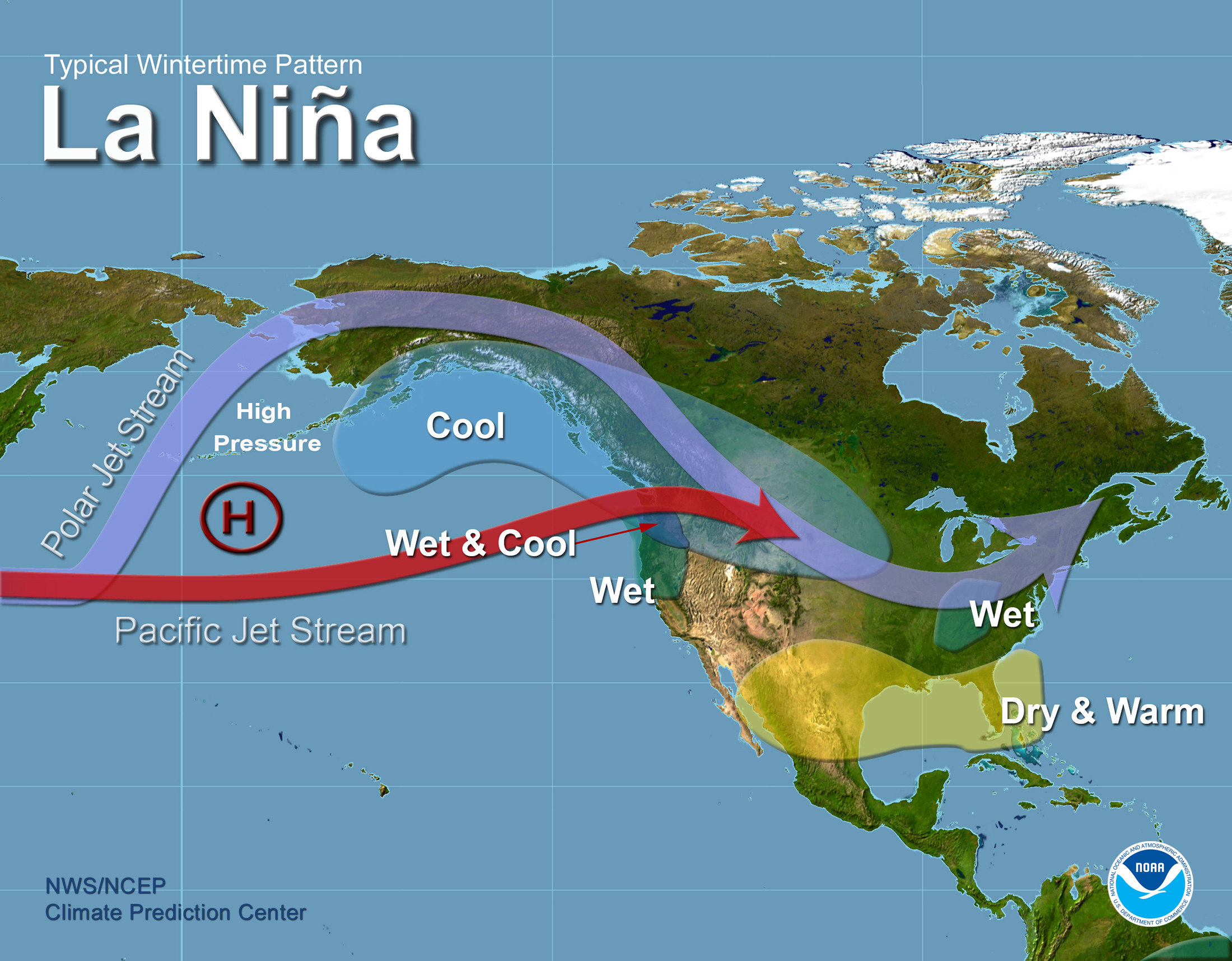
For instance, during a La Niña event, regions like the western Pacific and Southeast Asia often experience increased rainfall, leading to flooding and agricultural disruptions. In contrast, other areas, such as the southwestern United States and parts of South America, may face drier conditions, exacerbating droughts and water scarcity issues.
The impacts of climate change and La Niña are not limited to weather patterns alone. They also affect ecosystems, agriculture, economies, and human livelihoods. For example, changes in precipitation patterns can disrupt agricultural cycles, leading to crop failures and food shortages. Similarly, extreme weather events associated with La Niña, such as hurricanes and floods, can cause widespread damage to infrastructure and communities.
Understanding the complex interplay between climate change and natural climate phenomena like La Niña is essential for effective climate adaptation and mitigation strategies. By comprehensively studying these relationships, scientists can better predict future climate trends and develop strategies to minimize the adverse impacts on societies and ecosystems.
In conclusion, climate change and La Niña are interconnected in a complex web of interactions. While they are distinct phenomena, their impacts overlap and amplify each other, posing significant challenges for societies worldwide. Addressing these challenges requires collaborative efforts at local, national, and international levels to reduce greenhouse gas emissions, enhance resilience to extreme weather events, and protect vulnerable communities and ecosystems. Only through concerted action can we navigate the turbulent waters of climate change and La Niña to build a more sustainable and resilient future for generations to come.