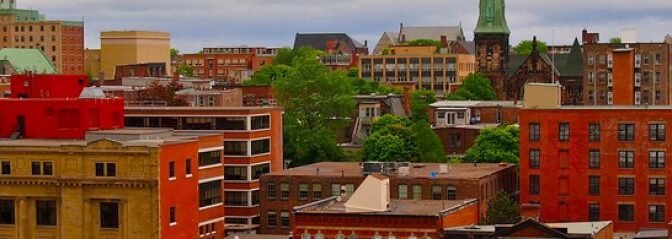
Saint John, New Brunswick, is a historic port city on the Bay of Fundy in eastern Canada, known for its vibrant maritime culture, stunning coastal landscapes, and significant historical sites. It holds the distinction of being the oldest incorporated city in Canada, established in 1785. Here’s a closer look at what makes Saint John a unique and fascinating destination:
1. Geography and Climate
- Location: Saint John is located in southern New Brunswick, sitting on the north shore of the Bay of Fundy, renowned for having the world’s highest tides.
- Climate: The climate is classified as humid continental, with cool, wet summers and cold winters. The bay moderates the city’s temperatures, though fog is common in the spring and early summer.
2. History
- Early Indigenous Inhabitants: The area was first inhabited by the Wolastoqiyik (Maliseet) people, who named the area Menahkwesk, which translates to “place of the sea and the fog.”
- European Settlement: French explorer Samuel de Champlain visited in 1604, and the area became a French settlement. It later changed hands several times between the French and British before becoming a Loyalist haven after the American Revolution.
- Incorporation: In 1785, Saint John was incorporated as Canada’s first city, and many of its streets still reflect Loyalist influence.
3. Key Attractions and Landmarks
- Reversing Falls: One of Saint John’s most famous natural phenomena, the Reversing Falls Rapids, occurs when the powerful Bay of Fundy tides cause the Saint John River to reverse its flow. This unique sight is best observed from the Reversing Falls Skywalk.
- Saint John City Market: The oldest continuously operating farmers’ market in Canada, dating back to the 19th century, offers fresh produce, seafood, and local crafts.
- New Brunswick Museum: The museum holds impressive exhibits on New Brunswick’s natural and cultural history, including a gallery dedicated to the shipbuilding era.
- Irving Nature Park: A popular destination for hiking, bird watching, and enjoying the scenic coastline, this park is home to various ecosystems and offers educational programs about local wildlife.
- Imperial Theatre: Originally opened in 1913, this beautifully restored theater hosts live performances and is celebrated for its architectural grandeur.
4. Economy
- Industry: Saint John has historically been an industrial center, with a strong presence in shipping, forestry, oil refining, and manufacturing.
- Irving Oil: A significant player in the local economy, Irving Oil operates Canada’s largest oil refinery in Saint John, creating a substantial number of jobs and contributing to the city’s industrial landscape.
- Tourism: The scenic Bay of Fundy, unique historic sites, and cruise ship traffic have made tourism increasingly important to the city’s economy.
5. Education and Culture
- Universities and Colleges: Saint John hosts a campus of the University of New Brunswick, offering a range of undergraduate and professional programs. It’s also home to the New Brunswick Community College.
- Culture: The city has a strong arts community, celebrated through various festivals, art galleries, and local music venues. The Fundy Fringe Festival and Area 506 Festival are two prominent annual events.
- Heritage: Many neighborhoods still feature historic architecture, especially in areas like Uptown Saint John, with Victorian-era buildings, cobblestone streets, and antique shops.
6. Transportation
- Port of Saint John: The city’s port is a key hub for trade and tourism, handling both cargo shipments and cruise ships, which bring thousands of tourists to the city each year.
- Highways: The city is accessible by major highways like Route 1, connecting it to other parts of New Brunswick and the United States.
- Airport: Saint John Airport (YSJ) connects the city to other parts of Canada, making it accessible for both business and tourism travel.
7. Outdoor Activities
- Saint John’s coastal location and numerous parks provide opportunities for whale watching, kayaking, hiking, and other outdoor activities. The Bay of Fundy’s unique ecosystem makes it one of the best places in the world to view marine life, including rare whales.
8. Population and Demographics
- Saint John has a population of around 70,000, making it one of New Brunswick’s largest cities, though the population has stabilized after a history of decline due to economic shifts.
- Diverse Community: The city is becoming increasingly diverse with newcomers from various countries, contributing to cultural festivals, culinary variety, and new perspectives.
Saint John is known for its blend of historical charm, natural beauty, and warm maritime hospitality, offering visitors a rich cultural experience and a chance to explore some of Canada’s most remarkable coastal scenery.