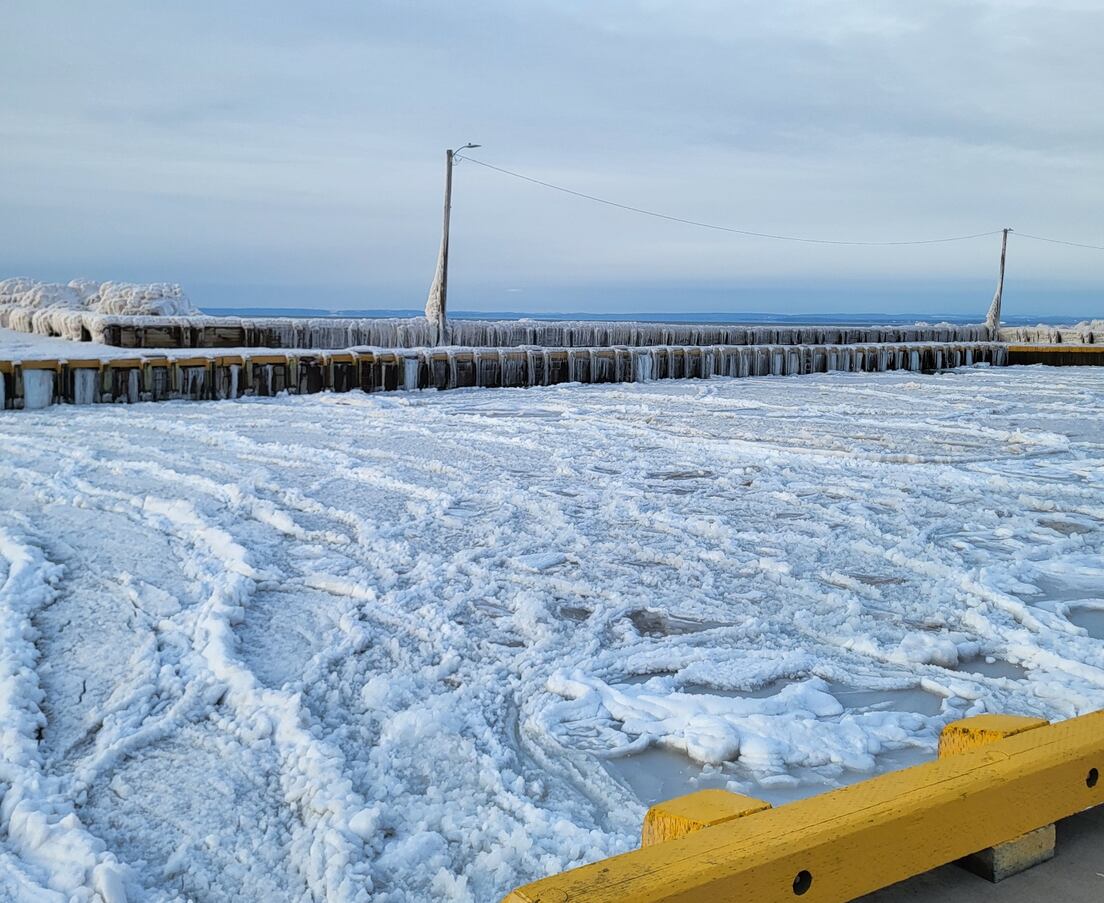
4-day weather forecast for Saint John

Here’s your next 4-day weather forecast for Saint John, New Brunswick, Canada, in English, Ukrainian, and French — based on the latest forecast data:


🌦️ English — Weather for Saint John (Next 4 Days)

Thursday: Cloudy and breezy with a mix of snow and rain in the morning, then showers later. Little accumulation. High ~4°C, low ~–8°C.
Friday: Partly sunny and colder, breezy. High ~–3°C, low ~–22°C.
Saturday: Much colder with sunshine. High ~–17°C, low ~–24°C.
Sunday: Very cold with sun early and increasing clouds later. High ~–15°C, low ~–20°C.


🌨️ Українською — Погода у Сент-Джоні (Наступні 4 дні)

Четвер: Хмарно й вітряно, вранці дощ зі снігом, потім можливі дощі. Невеликий сніг. Температура вдень приблизно +4 °C, вночі до –8 °C.
П’ятниця: Частково сонячно та холодніше, з вітром. Вдень близько –3 °C, вночі до –22 °C.
Субота: Значно холодніше, переважно сонячно. Вдень близько –17 °C, вночі до –24 °C.
Неділя: Дуже холодно, сонце вранці, більше хмар вдень. Вдень близько –15 °C, вночі до –20 °C.


🌬️ Français — Météo à Saint John (4 prochains jours)

Jeudi: Temps nuageux et venteux, pluie mêlée de neige le matin, averses l’après-midi. Peu d’accumulation. Maximum ~4 °C, minimum ~–8 °C.
Vendredi: Partiellement ensoleillé et plus froid, avec du vent. Maximum ~–3 °C, minimum ~–22 °C.
Samedi: Beaucoup plus froid avec du soleil. Maximum ~–17 °C, minimum ~–24 °C.
Dimanche: Très froid, soleil le matin, nuages l’après-midi. Maximum ~–15 °C, minimum ~–20 °C.

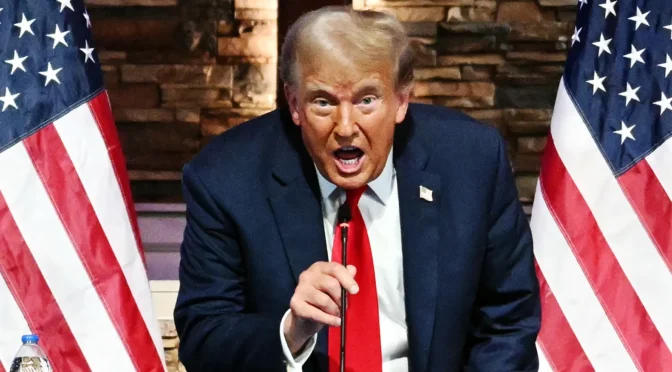
Mark Carney’s Powerful Davos Speech

Mark Carney’s Powerful Davos Speech – A Turning Point for Global Leadership

Yesterday at the World Economic Forum in Davos, Canadian Prime Minister Mark Carney delivered one of the most candid speeches on the global stage this year. In his address, Carney described the current international system as being in a “rupture,” not just a transition,” signaling that the old rules-based world order is fading and that major powers are increasingly pursuing their own interests with fewer constraints.

Instead of clinging to nostalgia, Carney urged countries—especially so-called “middle powers” like Canada—to work together to build a more resilient, values-driven global system. He emphasized cooperation on human rights, sovereignty, and sustainable development as foundations for a new era of international relations. The speech also touched on tensions with the United States, particularly over issues like tariffs and geopolitical ambitions in the Arctic, including the controversy surrounding Greenland’s sovereignty. Carney made it clear that Canada stands firmly with allies like Denmark and Greenland and opposes coercive economic tactics. Carney’s remarks drew attention because they broke from diplomatic convention by openly acknowledging how much the world has changed and challenging other nations to adapt collaboratively rather than rely on old structures. Whether you agree with his perspective or not, it’s a bold call for a new kind of global leadership—one that doesn’t assume the past order will return.

An out-of-control dictator

An out-of-control dictator is a ruler who holds absolute or near-absolute power and uses it without restraint, accountability, or regard for laws, institutions, or human rights.

Key traits usually include:

  • Unrestricted power: No effective checks from courts, legislatures, or elections

  • Arbitrary decision-making: Rules by personal will rather than laws

  • Repression: Uses fear, violence, censorship, or punishment to silence opposition

  • Abuse of authority: Acts for personal gain, ideology, or paranoia rather than public good

  • Instability or unpredictability: Makes impulsive or extreme decisions that harm citizens or other nations

In short, it describes a dictator whose power has gone beyond control, leading to dangerous or destructive rule.

Did Trump stop any wars?

Did Trump stop any wars?

Don’t Be Silly

No major U.S. war was fully ended during Trump’s presidency.
However, he avoided starting new large wars, reduced U.S. involvement in some conflicts, and made agreements meant to wind wars down.


Major conflicts during Trump’s presidency

1. Afghanistan War (2001–2021)

  • What Trump did:

    • In February 2020, the U.S. signed the Doha Agreement with the Taliban.

    • The deal set a plan for U.S. troops to leave Afghanistan.

  • What he did NOT do:

    • The war did not end while Trump was president.

  • What happened later:

    • The final U.S. withdrawal happened in 2021 under President Biden.

✅ Trump began the withdrawal process, but did not end the war.


2. War against ISIS (Iraq & Syria)

  • What Trump did:

    • By 2019, ISIS lost almost all of its territory.

    • Trump announced ISIS was “defeated territorially.”

  • What he did NOT do:

    • U.S. troops remained in the region.

    • The conflict did not fully end.

✅ ISIS was severely weakened, but the war did not completely stop.


3. Iraq War

  • What Trump did:

    • Reduced U.S. troop levels.

  • What he did NOT do:

    • The U.S. did not fully leave Iraq.


4. Syria

  • What Trump did:

    • Ordered a partial U.S. troop withdrawal in 2019.

  • What he did NOT do:

    • The Syrian civil war continued.

    • Some U.S. forces stayed.


5. No new large wars

  • Trump did not start a new full-scale war like Iraq (2003) or Afghanistan (2001).

  • There were military actions (airstrikes, killing of Iran’s General Soleimani in 2020), but no new declared war.


Peace deals (often confused with “stopping wars”)

Abraham Accords (2020)

  • Agreements between Israel and several Arab countries.

  • Improved relations but did not end an active war.


Simple summary

  • ❌ Trump did not stop or end major wars

  • ✅ He reduced troop levels in some places

  • ✅ He started withdrawal plans, especially in Afghanistan

  • ✅ He did not start a new major war