Did Trump Really Stop Six Wars? A Look at the Claims vs. Reality

A Look at the Claims vs. Reality

Donald Trump has often claimed he “stopped” or “prevented” several wars, but officially he did not end any major U.S. wars through a formal peace treaty. However, there are three conflicts his supporters commonly point to when making that argument:


Conflicts Trump is credited with de-escalating (at least temporarily)

Conflict What Actually Happened Under Trump Was the War Officially “Stopped”?
War in Afghanistan Trump negotiated the Doha Agreement with the Taliban (Feb 2020) to withdraw U.S. troops. It set the stage for the full withdrawal under Biden. No — the war continued, and the U.S. withdrawal was completed after he left office.
ISIS War in Iraq/Syria The U.S.-led coalition destroyed most of ISIS’s territorial “caliphate” during Trump’s term. ISIS lost territory, but insurgent cells still exist—so not a formal end to war.
North Korea Tensions Trump met with Kim Jong-un and paused North Korean missile tests for a while. No treaty — tensions reduced temporarily, but North Korea kept its weapons.

Other “peace moves” often mentioned

  • Abraham Accords – normalized relations between Israel and UAE, Bahrain, Morocco, Sudan. This didn’t stop an existing war but improved regional diplomacy.

  • Serbia–Kosovo economic agreement – lowered tensions but did not settle their political conflict.

  • No New U.S. Wars Started – this is actually one of his strongest claims compared to previous presidents.


Bottom Line

Trump didn’t formally end any major wars, but he reduced U.S. military involvement and brokered several de-escalation agreements. So when people say he “stopped three wars,” they’re usually referring to:

Afghanistan withdrawal negotiations, ISIS defeat, and North Korea détente — none were true final peace endings, but all were partial de-escalations.
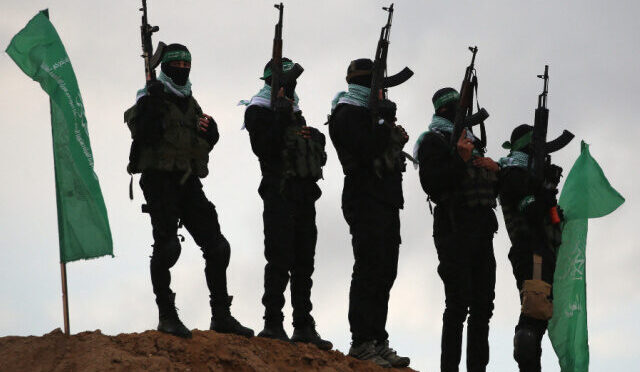

The Ceasefire Is Dying

The Ceasefire Is Dying — Not from Airstrikes, but from Within

Gaza is bleeding — and this time, the bullets didn’t come from Israeli drones, but from Palestinian rifles. Hamas has reportedly executed fellow Palestinians, accused — not proven — of collaborating with Israel. No trial. No evidence. Just bodies in the street and families shattered.

How can anyone speak of resistance while locking down their own people with fear? How can anyone speak of liberation while killing those they claim to protect?

This isn’t justice. This is desperation masquerading as authority.

Every time a Palestinian is executed without due process, the dream of freedom dies a little more. The ceasefire wasn’t just an agreement — it was the last breath of hope for children who can’t sleep through the night without wondering who will die next.

The world sees Gaza as a battlefield. But now the war is no longer just against Israel — it’s a war for Gaza’s soul.

If this continues, there will be no ceasefire to save. Only silence — the kind that follows when people are too afraid to speak.

Blue Jays’ Season on Life Support

Blue Jays’ Season on Life Support — Numbers Aren’t Pretty

The Blue Jays have now lost two straight, dropping their postseason odds into dangerous territory. Historically, MLB teams that fall into a similar hole — needing to win 80% or more of their remaining late-season games — succeed less than 10% of the time.

To stay alive in the World Series hunt, Toronto must win 4 of their next 5. Here’s what they’re up against:

  • Record After 2+ Consecutive Losses This Season: 8-14

  • Runs Scored Per Game Over Last 7: Just 3.1, well below the league playoff contender average of 4.6

  • Team Batting Average in High-Leverage Situations: .219 — ranking in the bottom third of MLB

  • Opponents’ ERA in Upcoming 5 Games: 3.42, meaning runs won’t come easy

  • Projected Playoff Odds If They Go 4-1: ~22%

  • If They Go 3-2: Crashes below 5%

The math is brutal. History is colder. But the path is clear:

Win 4 of 5 — or pack it up.

This is no longer strategy or analytics.
It’s survival.

Blue Jays drop the first game of series

Blue Jays Drop Series Opener to Mariners After Slow Offensive Start

The Toronto Blue Jays were unable to carry over their recent momentum, falling to the Seattle Mariners in the opening game of their series on Monday. After a strong showing against the New York Yankees earlier in the week, Toronto’s offense struggled to generate consistent production, managing only a handful of scoring opportunities.

Seattle capitalized in the later innings, using timely hitting to pull ahead while their pitching staff held the Blue Jays in check. Toronto’s bullpen was unable to contain the Mariners’ rally, allowing crucial runs that sealed the outcome.

The Blue Jays will look to respond quickly in an effort to avoid losing further ground in the playoff race. Game 2 is scheduled for Tuesday night, with Toronto expected to adjust both its lineup and pitching strategy in hopes of evening the series.