The Liberal Party of Canada is set to announce its new leader today, March 9, 2025, following Prime Minister Justin Trudeau’s resignation in January due to declining approval ratings and internal party pressures.

The leadership race has been expedited to address pressing national issues, including escalating trade tensions with the United States under President Donald Trump.

Leadership Contenders:

  • Mark Carney: At 59, Carney is the former governor of both the Bank of Canada and the Bank of England. He is considered the frontrunner, leveraging his extensive financial expertise to address economic challenges and strained U.S.-Canada relations.

  • Chrystia Freeland: Aged 56, Freeland served as finance minister and deputy prime minister under Trudeau. She resigned in December following policy disagreements. Known for her negotiation skills, particularly during the USMCA talks, she emphasizes diplomatic approaches to current trade disputes.

  • Karina Gould: At 37, Gould has held various ministerial roles, including minister of families, children, and social development. She advocates for party renewal and re-engagement with younger voters.

Leadership Election Process:

Approximately 400,000 registered Liberal members are eligible to vote using a ranked ballot system across 343 parliamentary constituencies.

The new leader will automatically assume the role of prime minister upon announcement. This leader faces immediate challenges, notably the trade war with the U.S., where President Trump has threatened a 25% tariff on Canadian imports and hinted at annexation efforts.

Upcoming Political Landscape:

A federal election is mandated by October 20, 2025, but political developments, including a potential no-confidence vote in late March, could lead to an earlier election.

The new leader’s strategies in addressing economic and diplomatic challenges will significantly influence the Liberal Party’s prospects in the forthcoming election.

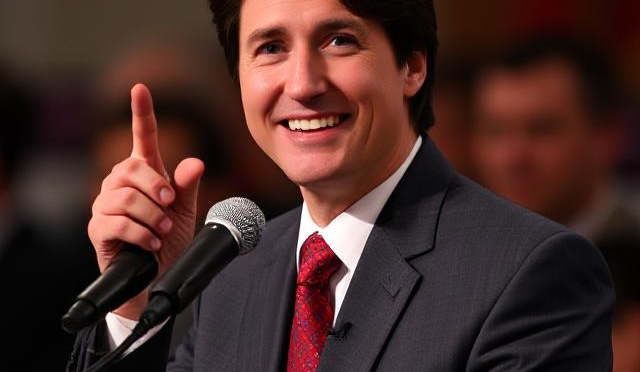
Canada’s Liberal Party Set to Announce New Leader Amid U.S. Trade Tensions
 
Faviconreuters.com
Today
 
Faviconft.com
Today
 
Faviconapnews.com

International Women’s Day

On this day in Canada, March 8th, 2025, there could be various events of note, but historically, March 8th is also recognized as International Women’s Day. This day is celebrated in many countries, including Canada, to honor the achievements of women and to raise awareness about gender equality. It’s a day for reflection on progress made, but also a reminder of the work still to be done in terms of women’s rights and opportunities.

In Canada, this day often sees rallies, celebrations, and discussions surrounding issues like women’s health, workplace equality, and the representation of women in leadership positions.

On March 8th, Canada has seen several events throughout history, though the exact events might vary from year to year. Here are a few notable ones:

1. International Women’s Day Celebrations

In Canada, as in many other countries, International Women’s Day is widely observed. Events across the country can include marches, conferences, community gatherings, and awareness campaigns focused on advancing women’s rights, gender equality, and social justice. For example, in major cities like Toronto, Vancouver, and Montreal, you might find protests, discussions, and celebrations.

2. Historical Events on March 8th:

  • 1983 – The Canadian Government Introduced the Canadian Charter of Rights and Freedoms
    While this event isn’t specifically tied to March 8th, the Charter of Rights and Freedoms, which was a major part of Canada’s constitution, was proclaimed into law on April 17, 1982. It’s celebrated each year in Canada for its role in protecting individual rights, and often gets attention around International Women’s Day due to its protections for gender equality.

  • 1965 – The Canada-US “Auto Pact” Agreement
    On March 8, 1965, the Canada-U.S. Auto Pact was signed, helping Canada establish itself as a major player in the auto manufacturing industry by allowing Canadian production to be sold duty-free in the U.S. This deal significantly changed Canada’s automotive sector and paved the way for the growth of companies like General Motors, Ford, and Chrysler in Canada.

3. Cultural Events and Exhibitions

Cultural events celebrating women in the arts, music, and literature often take place in Canada on March 8th. Museums, theaters, and cultural centers may have special programming to highlight women’s contributions to Canadian culture.

  • For example, women-focused art exhibitions or film screenings often take place around this time, showcasing works by female artists, filmmakers, and writers.

  • The National Film Board of Canada (NFB) may screen films related to women’s issues or highlight female filmmakers throughout March, especially on International Women’s Day.

4. Protests and Advocacy

Social movements advocating for issues like gender equality, affordable healthcare, and women’s rights sometimes hold protests or rallies around March 8th. These events can vary in scope, but they are a regular part of raising awareness about social issues, especially in larger cities like Toronto, Montreal, and Ottawa.

Justin Trudeau’s Final Days:

Justin Trudeau’s Final Days: A Legacy Marked by Crisis and Change

As Justin Trudeau’s tenure as Prime Minister nears its end, his legacy is one of triumphs, trials, and turbulence. From navigating Canada through the pandemic, to contending with the global political waves caused by Trump 1 and the looming specter of Trump 2, Trudeau’s leadership has been anything but smooth.

The COVID-19 crisis defined much of his second term, forcing him to make tough decisions that would shape Canada’s future. His response to the pandemic—mass vaccinations, economic relief packages, and strict mandates—earned both praise and criticism. He won reelection in 2021, but with a weakened minority government, signaling growing dissatisfaction.

Meanwhile, the shadow of Donald Trump loomed large. Trudeau’s early years in office saw a tense but strategic balancing act during Trump 1 (2016-2020). With the former U.S. president poised for a comeback in Trump 2 (2024?), the geopolitical stakes have never been higher. Trade disputes, NATO tensions, and the ever-changing relationship between the two nations could once again dominate headlines.

On the personal front, Trudeau’s recent lost marriage to Sophie Grégoire Trudeau added another layer of change. After 18 years together, their public separation in 2023 marked a deeply personal chapter in his already eventful career.

Now, as he prepares to exit the political stage, Trudeau leaves behind a complex legacy—one shaped by global crises, political battles, and personal loss. Whether history will remember him as a visionary leader or a fading idealist remains to be seen. But one thing is certain: his time in office was never dull.

Trump Delays Tariffs

Trump Delays Tariffs on Imported Autos: A Temporary Win for the Industry?

In a surprising move, President Trump announced a 30-day delay on tariffs aimed at imported automobiles and auto parts, giving the struggling auto industry some much-needed breathing room. This pause comes amid growing concerns from manufacturers that the tariffs could disrupt production, increase consumer costs, and potentially slow down an already fragile global economy.

The delay marks a shift in strategy, with many wondering if it’s a temporary retreat or a strategic move to buy time for further negotiations. During his administration, Trump had repeatedly threatened hefty tariffs on foreign-made cars, citing national security concerns under the controversial Section 232 of the Trade Expansion Act. But pressure from automakers—who lobbied hard against the proposed tariffs—seems to have prompted this 30-day respite.

For the auto industry, which relies heavily on global supply chains, this pause could provide the opportunity to secure more favorable trade terms. Whether or not it will lead to long-term relief remains to be seen.

Could this be the first sign of flexibility in the trade war, or is Trump simply retooling his approach before bringing the hammer down again?