A Tribute to Nurses in White

A Tribute to Nurses in White Uniforms: Guardians of Compassion and Care

In the hustle and bustle of modern healthcare, it’s easy to overlook the timeless symbols that have long been associated with the profession. One such symbol is the pristine white uniform that nurses once wore with pride. While today’s scrubs come in a rainbow of colors, there’s something profoundly nostalgic and honorable about the sight of a nurse in a white uniform.

The white uniform, with its crisp lines and clean appearance, was more than just attire; it was a symbol of purity, dedication, and a commitment to the well-being of patients. It represented an era where the image of a nurse was synonymous with trust, compassion, and an unwavering sense of duty.
The Symbolism of the White Uniform

Purity and Cleanliness: The color white has always been associated with cleanliness and sterility, essential qualities in healthcare settings. It reassured patients that they were in a safe, hygienic environment.

Professionalism: The white uniform was a hallmark of professionalism and discipline. It set nurses apart as trained caregivers who were dedicated to their vocation.

Compassion: For many, the sight of a nurse in a white uniform brought comfort. It was a visual reminder of the compassionate care they were about to receive, a soothing presence in times of vulnerability.

The Evolution of Nursing Attire

While the iconic white uniform may no longer be the standard, its legacy endures. Today’s scrubs are designed for functionality, comfort, and ease of movement, reflecting the dynamic nature of modern healthcare. However, the spirit of the white uniform lives on in the dedication and compassion that nurses bring to their work every day.

Honoring the Legacy

To honor this legacy, let’s take a moment to appreciate the nurses who continue to embody the core values of their profession, regardless of their attire. They are the unsung heroes of healthcare, providing care, comfort, and hope in countless lives.

As we look back with nostalgia at the white uniforms of yesteryear, let us also look forward with gratitude and respect for the nurses of today. Their unwavering commitment to patient care is a testament to the enduring spirit of nursing—a spirit that transcends uniforms and eras.

So here’s to the nurses, past and present, who wear their dedication as proudly as the white uniforms of old. Thank you for your tireless efforts, your compassion, and your unshakeable commitment to the health and well-being of all those in your care.

Space Exploration Day

On July 20, look up at the sky and think back on all the advances humankind has made in exploring and understanding space because it is Space Exploration Day.


The annual holiday commemorates the anniversary of the first manned mission to the Moon. On July 20, 1969, Americans astronauts Neil Armstrong and Buzz Aldrin became the first humans to step foot on the surface of the Moon.

In 1984, the day was proclaimed a holiday by United States President Ronald Reagan. The fifth manned mission of NASA’s Apollo program, Apollo 11 was launched from Florida on July 16. It returned to Earth with the 3 astronauts – Armstrong, Aldrin, and Michael Collins on July 24.

Moon Day

The holiday, which is also sometimes called Moon Day, encourages people to learn more about space exploration. It attempts to inspire young adults to consider space sciences and space exploration as careers.


What to Do

  • Visit your local space and science museums and spend the day there learning about space and our astronomical neighbors.
  • Join an astronomy club and participate in their Space Exploration Day activities.
  • If you have young children in your life, get them interested in space and related fields by reading them books about space and space technology.

F Y I

…that 12 people, including Armstrong and Aldrin, have walked on the surface of the Moon?

Emoji Day

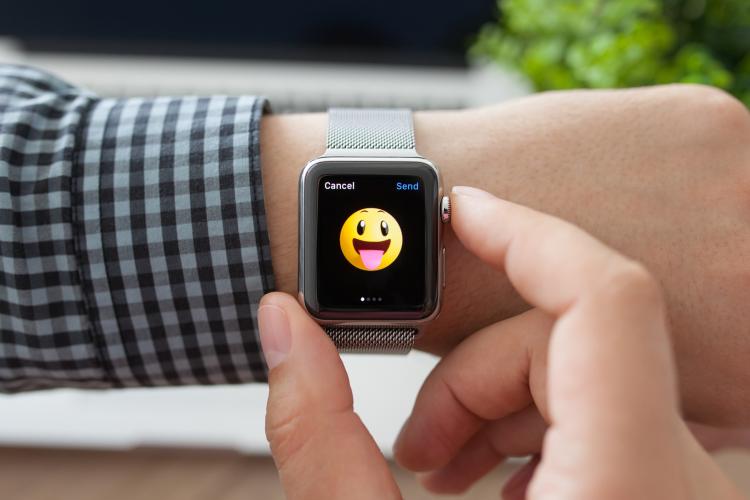
World Emoji Day on July 17 is an unofficial holiday that pays homage to emojis.


The holiday was created in 2014 by Jeremy Burge as a way to celebrate emojis and to popularize their usage. Burge is the creator of Emojipedia, a reference website for emojis. He chose July 17 as the date for the observance because of the way the calendar emoji is displayed on iPhones—a calendar that has July 17 as the default date.

Japanese Invention

Emojis are graphical representations of emotions, ideas, and thoughts. A Japanese invention of the 1990s, they were first introduced to the world in 2011 by Apple in their iPhones. The word emoji in Japanese means picture character or picture letter.

Emojis have now become an integral part of online communications—billions of emojis are sent in social media and text messages daily. Some of the most widely used emojis including the face with tears of joy, the heart, and the face with heart eyes.

A New Language

The widespread usage of emojis in everyday online correspondence has led linguistics experts to believe that emojis might be evolving into a new type of language. According to experts, emojis can be very convenient and effective in written communication, where emotion and tone are harder to convey.

At the same time, there have been concerns that emojis can also lead to miscommunications, especially when people interpret an emoji differently.

Emoji Versus Emoticons

Many people use the words emoji and emoticons interchangeably, even though they are not the same thing. Emoticons are text only while emojis are stylized images.

What to do

  • Use only emojis to communicate with everyone on social media and text/SMS today.
  • Carry index cards with emojis printed on them and use them when interacting with people in real life. Let them know you are celebrating World Emoji Day.

FYI…

…that the Oxford Dictionaries declared emoji as the word of the year in 2015?