
-
2011 Space Shuttle Atlantis is launched for the last time
It was also the last flight of NASA’s 30-year long and successful Space Shuttle program. STS-135, as this final mission was called, was the program’s 135th flight.
-
1994 Kim Jong-il takes office as the Supreme Leader of North Korea
Popularly known as “Dear Leader” in his country, Kim Jong-il took North Korea’s highest office after the death of his father, Kim Il-sung. He ruled the country with an iron fist until his death in 2011, when his son, Kim Jong-un took his place. Kim Jong-il’s tenure was marred by widespread human rights violations and severe famine in the country.
-
1889 Wall Street Journal published for the first time
Three financial reporters named Charles Dow, Edward Jones, and Charles Bergstresser created The Wall Street Journal to supersede a previous periodical called the Customers’ Afternoon Letter.
-
1777 Vermont abolishes slavery
Vermont adopted its constitution that abolished slavery, becoming the first region in the now United States to abolish slavery. The constitution was adopted after Vermont declared independence from the British empire.
-
1497 Vasco da Gama sets off on a voyage to India from Lisbon with 4 ships
A year later, he reached the city of Calicut in southern India and became the first European to set foot in India by way of the sea.
Monthly Archives: July 2024
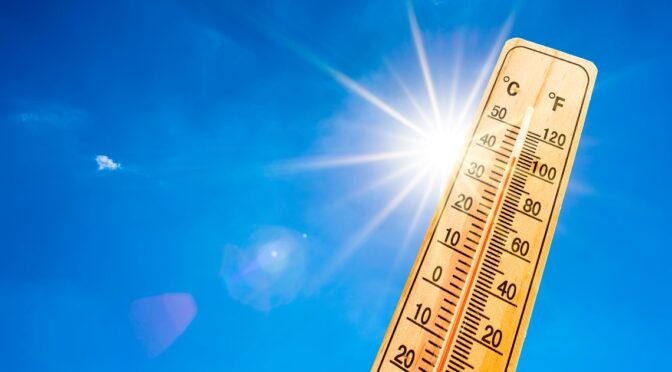
Heat warning issued for Maritimes on Monday and Tuesday
Humidex expected to reach 37

It’s going to be hot and sticky for the next couple days.
Environment Canada has issued a heat warning for all three Maritime provinces for Monday and Tuesday.
Temperatures are expected in the 30 C range, with humidex values reaching 37. Cooler conditions can be expected along parts of the coast.
The warning does not include parts of northwest New Brunswick.
Heat warnings are issued when very high temperature or humidity conditions are expected to pose an elevated risk of heat illnesses, such as heat stroke or heat exhaustion.
It’s the second heat warning issued for the region in the last three weeks.
Environment Canada is advising people to schedule outdoor activities during the coolest parts of the day and never leave people, particularly children, or pets inside a parked vehicle.

Should Our Trust in the Media Be Questioned?
Should Our Trust in the Media Be Questioned?
In today’s digital age, the media plays a pivotal role in shaping public opinion, disseminating information, and influencing societal norms. However, the question of whether our trust in the media should be questioned is becoming increasingly relevant. Here are several reasons why a critical evaluation of media trustworthiness is necessary:
1. Proliferation of Misinformation
The rise of social media platforms and the internet has democratized information sharing, but it has also led to the spread of misinformation and fake news. With anyone able to publish content, distinguishing between credible news sources and unreliable ones has become challenging. High-profile incidents of misinformation highlight the need for skepticism and careful evaluation of the sources of our news.
2. Political Bias and Agenda
Many media outlets are accused of having political biases, which can color the way news is reported. Whether it’s through selective coverage, framing of stories, or editorial slant, media bias can lead to a distorted view of reality. Recognizing the potential for bias helps readers critically analyze the news and seek out diverse perspectives to get a more balanced understanding.
3. Corporate Influence
Media conglomerates own a significant portion of news organizations, leading to concerns about corporate influence on news content. When media outlets are part of larger corporations with diverse business interests, there is a risk that news coverage might be influenced by the need to protect those interests. This can result in underreporting of issues that might be unfavorable to the parent corporation.
4. Sensationalism and Clickbait
In the competitive world of digital media, sensationalism and clickbait have become common strategies to attract viewers and generate revenue. This focus on eye-catching headlines and sensational stories can lead to the prioritization of entertainment over informative and balanced reporting. It’s important for consumers to be aware of these tactics and look beyond the headlines to understand the full context of a story.
5. Erosion of Journalistic Standards
The pressure to be first to report a story has sometimes led to lapses in journalistic standards, such as inadequate fact-checking and reliance on anonymous sources. This can result in the dissemination of inaccurate or incomplete information. Upholding rigorous journalistic standards is crucial for maintaining trust in the media.
How to Navigate Media Trust
While questioning media trustworthiness is important, it’s equally crucial to find ways to navigate the media landscape responsibly:
- Diversify Your Sources: Relying on multiple news sources can provide a more rounded perspective and help identify biases and gaps in reporting.
- Check Credibility: Evaluate the credibility of news sources by considering their track record, transparency in reporting, and adherence to journalistic standards.
- Verify Information: Fact-check information before accepting it as truth, especially if it seems sensational or too good (or bad) to be true.
- Support Quality Journalism: Support news organizations that demonstrate a commitment to high-quality, unbiased journalism through subscriptions, donations, or other means.
In conclusion, while media plays a crucial role in our society, it is essential to approach it with a critical eye. By questioning the trustworthiness of media sources and adopting responsible media consumption practices, we can better navigate the complex information landscape and make more informed decisions.
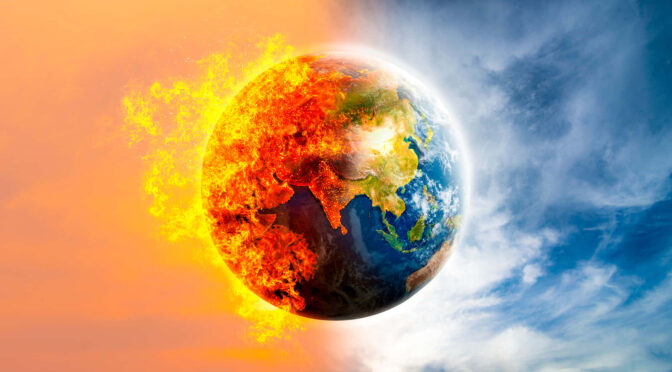
Rapid intensification in hurricanes
Rapid intensification in hurricanes refers to a process where a tropical cyclone undergoes a significant increase in strength in a short period of time. Specifically, it is defined by the National Hurricane Center (NHC) as an increase in the maximum sustained winds of a tropical cyclone of at least 35 miles per hour (30 knots) within a 24-hour period.
Visit Hurricane Tracker here
Several factors contribute to rapid intensification, including:
- Warm Sea Surface Temperatures: Warmer ocean waters provide more energy to the storm, fueling its development.
- Low Vertical Wind Shear: Wind shear refers to the change in wind speed and direction with height. Low vertical wind shear allows a storm to maintain its structure and intensify more rapidly.
- High Moisture Content: Ample moisture in the mid to upper levels of the atmosphere supports the development and intensification of the storm.
- Pre-existing Weather Disturbances: Existing weather systems or disturbances can provide the initial conditions necessary for rapid intensification.
Is Rapid Intensification Happening More Often?
Recent studies and observations suggest that rapid intensification of hurricanes is becoming more frequent and severe. There are several reasons for this trend:
- Climate Change: The warming of the global climate is leading to higher sea surface temperatures, which in turn provides more energy for tropical cyclones to intensify.
- Increased Ocean Heat Content: Not only are sea surface temperatures rising, but the heat content in the upper layers of the ocean is increasing. This deep layer of warm water can sustain a hurricane’s intensification over a longer period.
- Improved Observation and Detection: Advances in technology, such as better satellite imagery and more sophisticated modeling, have improved our ability to detect and predict rapid intensification events.
Research indicates a notable increase in the frequency of rapid intensification events. For instance, studies have shown that the proportion of Atlantic hurricanes undergoing rapid intensification has increased significantly over recent decades.
In summary, rapid intensification is a critical aspect of hurricane development that is influenced by various environmental factors. The trend towards more frequent and intense rapid intensification is likely linked to the broader impacts of climate change, which is causing warmer ocean temperatures and altering atmospheric conditions in ways that favor more powerful storms.