Sunday February 11

Make a Friend Day

    Make a Friend Day on February 11 is an unofficial holiday that encourages people to stop and take stock of their friend list and make new friends.

Making Friends Pictures | Download Free Images on Unsplash

Humans are social animals and we need friends to feel fulfilled and happy. But sometimes in the daily rush of our lives not only do we tend to ignore our old friends, but we also forget to make new friends. Make a Friend Day inspires people to step out their comfort zone and try to meet new people and become friends with them.

More Tolerant

Making new friends can help people broaden their horizons and learn about different cultures and parts of the society. Research has shown that people with diverse group of friends are more tolerant, open to new ideas, and empathetic than people who have a small or a non-diverse group of friends.

FYI

Studies have shown that on average people will remain long-term friends with 1 out of every 12 people they consider to be friends?

Trivia

What’s the Canadian national anthem? ▶ “O Canada”
In what year did Canada become a country? ▶ 1867

Quote

“Kindness is one thing you can’t give away. It always comes back.” —George Skolsky

On this day February 11

Today in History

  • 1990 Nelson Mandela is freed after 27 years as a political prisoner

    The anti-apartheid campaigner’s release was a high point in South Africa’s transition from apartheid to democracy.

  • 1979 Ayatollah Khomeini seizes power in Iran

    Few days after Khomeini’s triumphant return from French exile, the Iranian army steps aside, making way for the creation of an Islamic theocracy.

  • 1975 Margaret Thatcher becomes the first female leader of the British Conservative Party

    Thatcher won the general elections in 1979 and became Prime Minister of the United Kingdom.

  • 1938 The BBC broadcasts Karel Čapek’s “R.U.R.”, the world’s first science fiction TV program

    The Czech play whose abbreviated title stands for “Rossum’s Universal Robots” introduced the word “robot” to the English language.

  • 1858 Bernadette Soubirous sees a vision of the Virgin Mary near Lourdes

    The small town in southern France became one of the most important Christian places of pilgrimage.

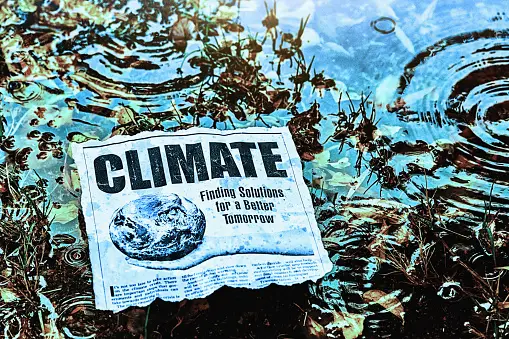
Facing Climate Change Denial: A Global Call to Action

In the face of undeniable evidence and urgent warnings from scientists worldwide, the reality of climate change remains a hotly debated topic. While a majority of nations are taking steps to mitigate the impacts of climate change, some of the largest countries, including India, Pakistan, China, and others, have been reluctant to fully acknowledge or address this pressing issue.

India, home to over a billion people and a rapidly growing economy, has often been criticized for prioritizing economic development over environmental concerns. Despite ambitious renewable energy goals and some efforts to combat pollution, India’s stance on climate change has been inconsistent, with leaders occasionally downplaying its severity.
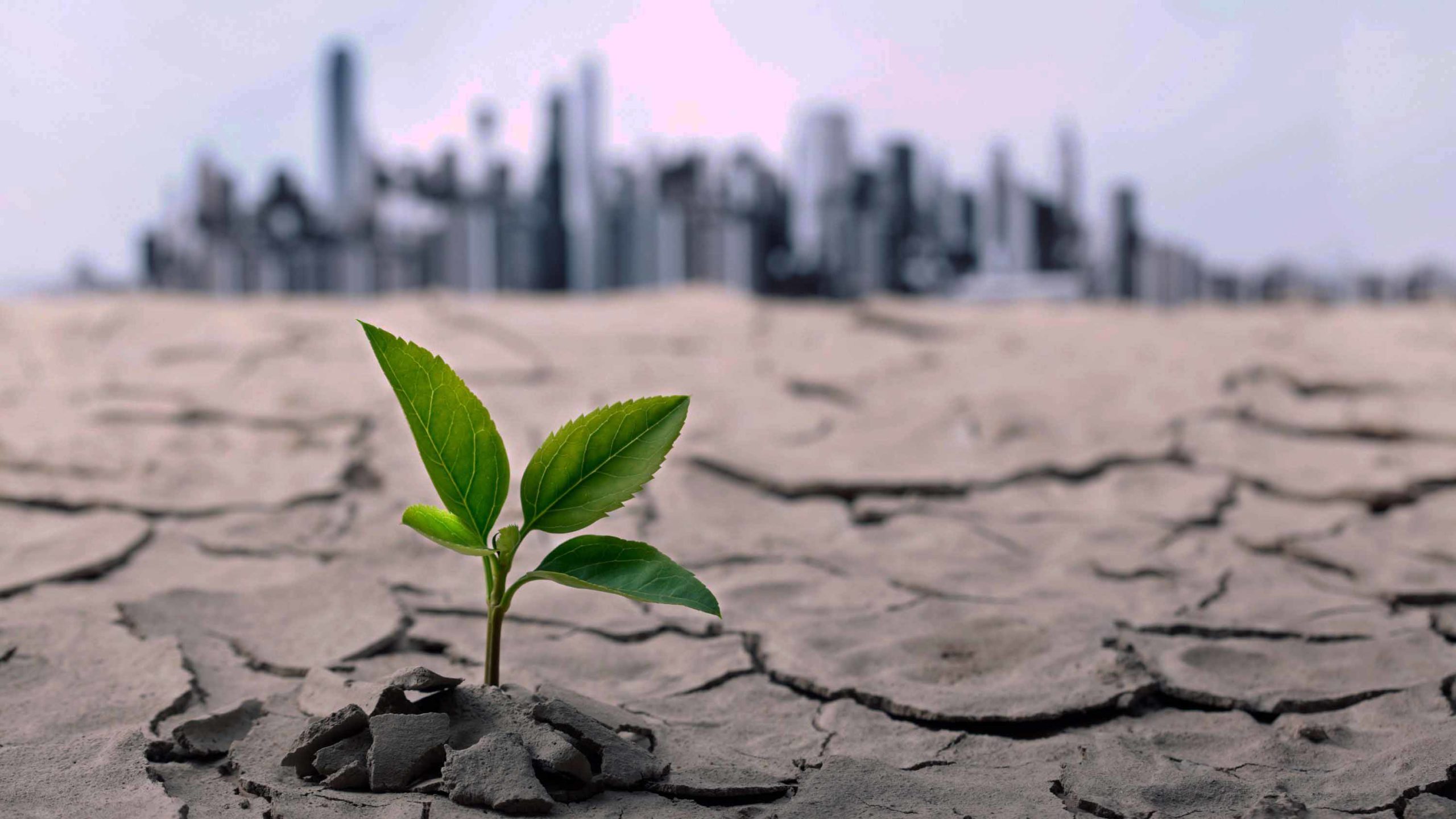
How Could Climate Change Affect the Global Economy? | Sphera

Similarly, Pakistan, grappling with economic challenges and political instability, has struggled to prioritize climate change amidst more immediate concerns. Despite being one of the most vulnerable countries to climate impacts, including floods, droughts, and heatwaves, the government’s response has been inadequate, often overshadowed by other pressing issues.

China, the world’s largest emitter of greenhouse gases, has made significant strides in renewable energy deployment but continues to rely heavily on coal and other fossil fuels for energy production. Despite commitments to reduce emissions, China’s sheer size and rapid industrialization pose immense challenges in achieving meaningful progress towards combating climate change.

Mongolia, a country rich in natural resources, faces unique challenges due to its fragile ecosystems and dependence on industries like mining and agriculture. While acknowledging the importance of environmental conservation, Mongolia struggles to balance economic development with sustainability, often leading to environmental degradation and increased vulnerability to climate change.
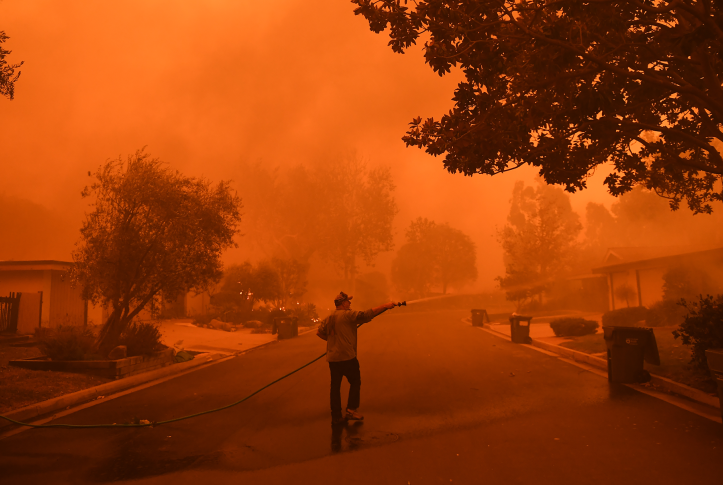
Climate Change & Health Care Services | Commonwealth Fund

These countries’ reluctance to fully address climate change is not unique. Many civilizations worldwide, both developed and developing, grapple with similar challenges, whether due to economic constraints, political instability, or simply a lack of awareness and understanding of the issue’s urgency.

However, the consequences of inaction are dire and affect us all. Climate change exacerbates natural disasters, threatens food and water security, displaces communities, and undermines global stability. The longer we delay decisive action, the costlier and more irreversible the impacts will become.
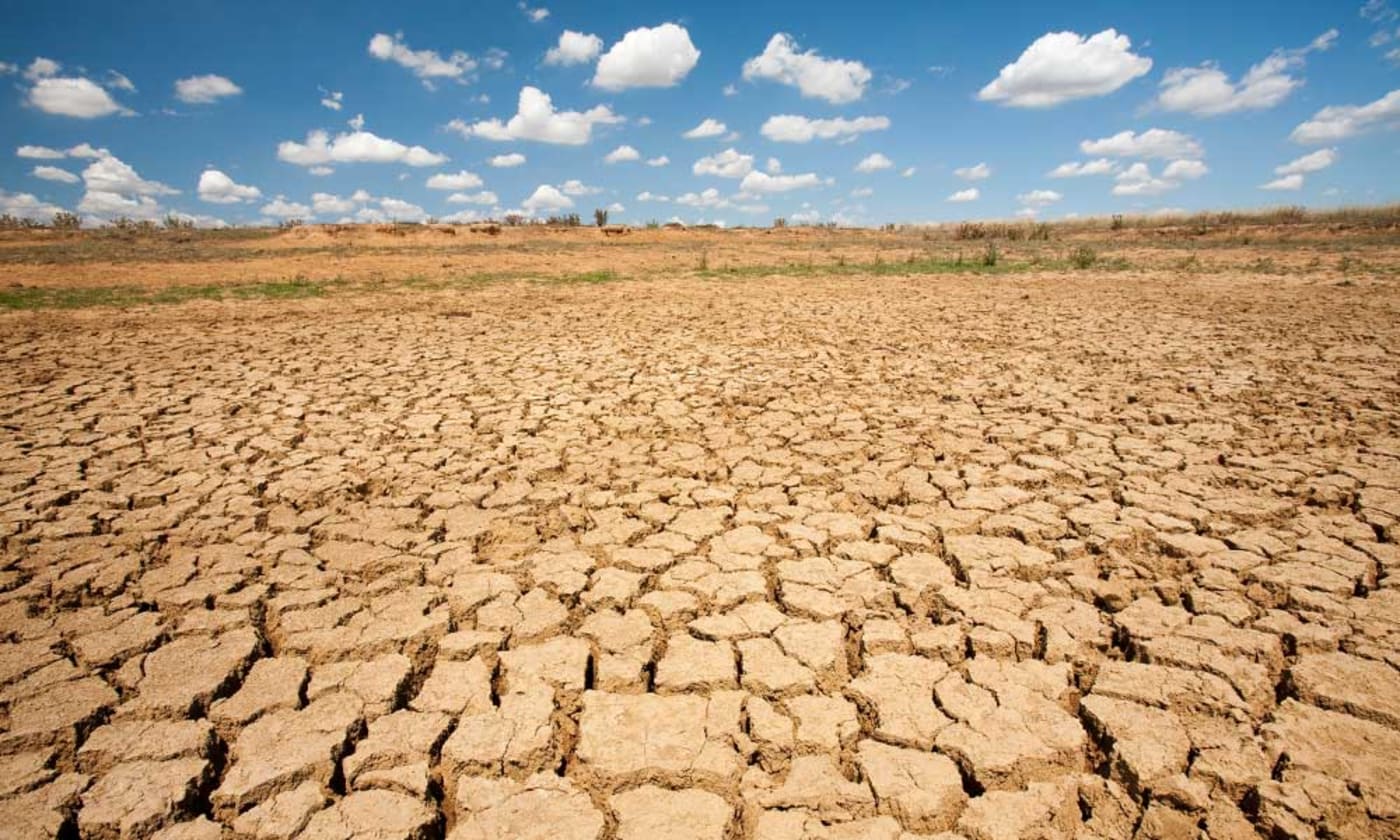
Impacts of global warming | WWF Australia

Therefore, it is imperative that we move beyond political divides and national interests to confront climate change collectively. This requires not only bold policy decisions and international cooperation but also a shift in societal attitudes and behaviors towards sustainability and environmental stewardship.

As individuals, we can contribute by advocating for climate action, adopting sustainable practices in our daily lives, and holding our leaders accountable for their commitments. Together, we can overcome climate change denial and build a more resilient and sustainable future for generations to come.

 

On this day February 9

Today in History

  • 1996 The Irish paramilitary organization IRA ends an 18-month ceasefire by exploding a large bomb in London

    The explosion in London’s Canary Wharf left 2 people dead and 39 injured.

  • 1969 The Boeing 747 flies for the first time

    The “Jumbo Jet” was the world’s largest passenger aircraft at the time.

  • 1964 The Beatles embark on their first tour in the United States

    Their appearance in the Ed Sullivan Sow marked the beginning of the “British Invasion”

  • 1959 The world’s first intercontinental ballistic missile becomes operational in the USSR

    The Soviet R-7 Semyorka missile had a range of 8800 km (5500 mi).

  • 1950 U.S. Senator Joseph McCarthy launches his anti-communist campaign

    On this day, McCarthy accused the U.S. State Department of being infiltrated by communists.