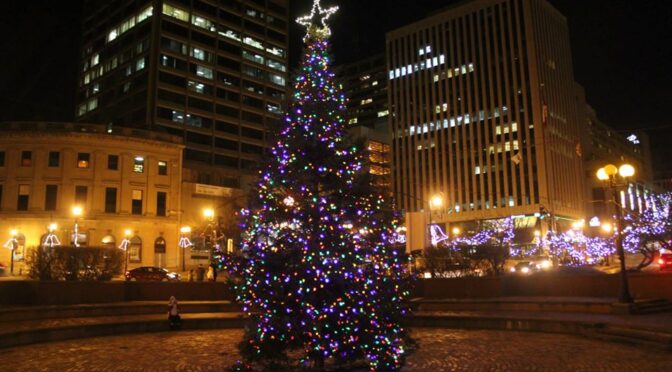
Christmas in Canada is a festive and cherished holiday, celebrated with a mix of traditions influenced by the country’s diverse cultural backgrounds. From coast to coast, the customs can vary slightly depending on the region, but there are many common elements that make Christmas special across the country. Here’s an overview of what Christmas is like in Canada:
1. Festive Decorations and Lights
- Christmas Trees: Just like many other parts of the world, decorating a Christmas tree is a central tradition. Whether it’s a real or artificial tree, it’s adorned with lights, ornaments, and garlands.
- Lights and Displays: Many towns and cities go all out with light displays. In larger cities like Toronto, Vancouver, and Montreal, neighborhoods and downtown areas are beautifully illuminated. Some places, like Niagara Falls, have extensive light festivals such as the “Winter Festival of Lights.”
- Canadian Symbols: Along with traditional decorations, you’ll often find Canadian symbols incorporated into Christmas decor, like moose, beavers, or even maple leaves.
2. Christmas Markets
- Canadian cities host Christmas markets inspired by European traditions, especially in places like Toronto, Vancouver, and Quebec City. These markets are full of holiday treats, handmade gifts, festive music, and often mulled wine or hot chocolate.
3. Outdoor Winter Activities
- Given Canada’s snowy winters, many Canadians take advantage of the weather to engage in traditional winter activities during the Christmas season:
- Ice Skating: Many cities have outdoor rinks that become especially popular at Christmas time, such as the famous Rideau Canal in Ottawa.
- Skiing and Snowboarding: Ski resorts across the country, from Whistler in British Columbia to Mont-Tremblant in Quebec, are busy over the holiday season.
- Tobogganing and Snowshoeing: These are popular family-friendly outdoor activities in areas that get significant snowfall.
4. Christmas Eve and Christmas Day Traditions
- Midnight Mass: For many Canadians, attending midnight mass on Christmas Eve is a tradition, especially for Roman Catholic families in Quebec and other parts of the country.
- Gift-Giving: Christmas Day is typically when gifts are exchanged. Children wake up early to open presents left by Santa Claus, who is widely believed to visit on Christmas Eve.
- Family Gatherings and Feasts: Christmas dinner is often a large family affair, with the meal varying depending on regional or cultural background. Common dishes include turkey, ham, stuffing, mashed potatoes, and vegetables. In some areas, particularly in Quebec, you might find tourtière (a French-Canadian meat pie) served as part of the holiday meal.
5. Boxing Day (December 26)
- The day after Christmas, Boxing Day, is a public holiday in Canada. Traditionally, it was a day to give gifts to those in service jobs, but now it’s known for its post-Christmas sales, similar to Black Friday in the U.S. Many Canadians head out to take advantage of discounts and deals.
6. Unique Regional Traditions
- Mummering (Newfoundland and Labrador): In some parts of Newfoundland and Labrador, a fun Christmas tradition called mummering involves people dressing up in costumes, visiting neighbors’ homes, and trying to guess who’s behind the mask.
- Réveillon (Quebec): In French-speaking Quebec, many families celebrate Réveillon, a long feast that begins after midnight mass on Christmas Eve and can last well into the early hours of Christmas morning. Special dishes include tourtière and bûche de Noël (Yule log cake).
- Taffy Pull (Nova Scotia): In some parts of Nova Scotia, families get together for a taffy pull, a tradition where homemade taffy is pulled into long strands and eaten fresh.
- Luminarias (Ontario and Western Provinces): Inspired by Mexican traditions, some regions have adopted luminarias, small lanterns made of candles inside paper bags, which are used to decorate walkways and streets.
7. Festive Foods
- Butter Tarts: A uniquely Canadian treat, butter tarts are a popular holiday dessert. They are small pastries filled with a sweet mixture of butter, sugar, and eggs.
- Nanaimo Bars: Another Canadian holiday staple, Nanaimo bars are no-bake dessert bars with layers of chocolate, custard, and a crumbly base.
- Candy Canes and Eggnog: Like in many other countries, these are common festive treats enjoyed during the season.
8. Santa Claus Parades
- Many Canadian cities and towns host Santa Claus parades in the weeks leading up to Christmas. The Toronto Santa Claus Parade is one of the largest and oldest in the world, dating back to 1905. It features elaborate floats, bands, and of course, Santa himself.
9. Christmas in the North
- For Canadians living in northern regions such as the Yukon, Northwest Territories, or Nunavut, Christmas is often celebrated with traditional Indigenous festivities alongside Christian traditions. These can include storytelling, drumming, and community feasts.
Conclusion
Christmas in Canada is a time for coming together, embracing the cold weather with outdoor fun, and celebrating with family and friends. The traditions vary across the country, reflecting its multicultural heritage, but the holiday spirit is felt nationwide. Whether through festive light displays, hearty holiday feasts, or the joy of giving, Canadians celebrate Christmas with warmth and cheer, even in the coldest of climates!